The Stockholm syndrome is a psychological condition in which the victims inexplicably form an emotional bond with their captors. Instead of feeling hate towards their abductors, the victims develop sympathy toward their captors and their causes and goals. Negative feelings shift toward the police or authorities.
The phrase came about in 1973, when Jan Olsson, a convict on parole, failed to rob one of Sweden’s biggest banks in Stockholm. Instead, he took three women and a man hostage. The victims were held in a bank vault for six days and were traumatised with dynamite and nooses. However, once released, they refused to testify against Olsson.
There are several causes, experts deduce, to this condition. One is that victims of abuse, violence or kidnapping usually know or believe that they don’t have a choice except to put up with their abusers and abductors. As a defence towards the fear they feel, they begin to instead sympathise with their captors, to make it easier for themselves. Also, the captors are the ones bringing food and sometimes other stuff to soften the victims. The victim is, thus, prone to believing in the “humanity of the captor”.
Tech captivity
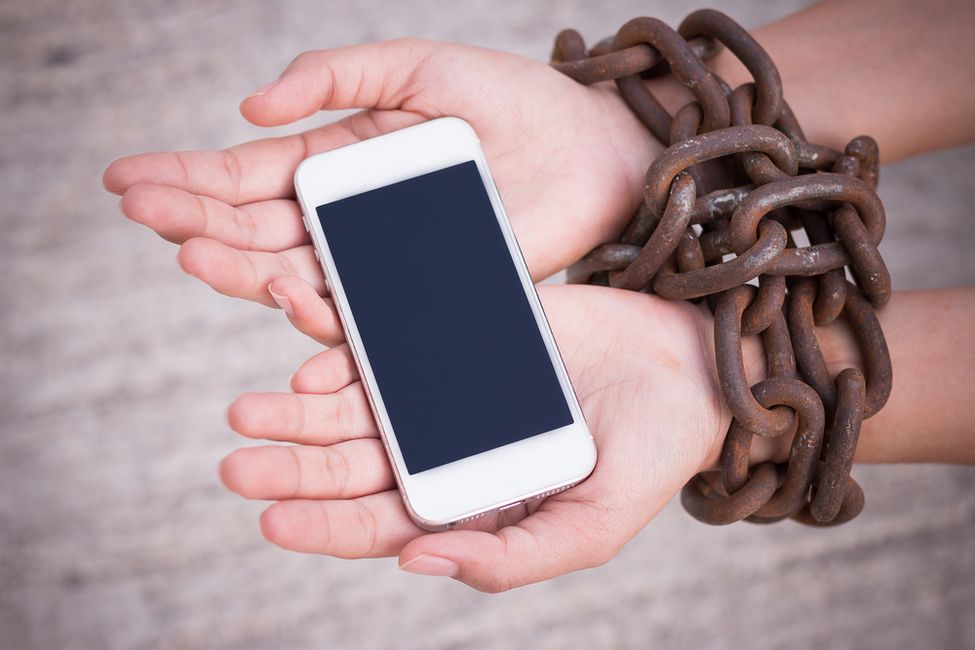
Today, increasingly, we are captives of technology. While tech and the net have helped people connect with family and others, popularity and success are largely measured by one’s presence on social media platforms on the internet; by the likes and followers a person may have.
For people in art, media, writing, music and other such professions, apart from social interactions, business dealings are also influenced by the perception of one’s net presence. If a person chooses not to be too active on the net, then he or she is “out of sight” and soon enough, “out of mind”.
Apart from the ways in which it may help, this need to stay on the tech grid puts tremendous pressure on each one of us. These systems are exhaustive, in the constant and relentless attention they seek from us. A study by the University of Pittsburg earlier in 2016 confirmed, that more the time a person spends on social media, the greater is the chance of feeling depressed. Cyber bullying, trolling and the perception that every one else may be leading picture perfect lives, are factors that feed depression.
Solution or syndrome?
A couple of social networking platforms have recently introduced tools to aid mental health. Words such as ‘depressed’ or ‘suicidal’ lead users to sites where they may receive help.
It’s a good step ahead. However, it would help recognise that these very platforms have contributed to accelerating the problem they now offer to somewhat address. It’s akin to certain antivirus agents, who apparently create and spread the very virus they then sell us software to protect ourselves from. The ‘captors’ are perceived as the liberators.
“Ultimately, what we’re looking to do is to get friends talking to their friends,” said an expert, commenting on the new mental health initiative.
Isn’t that what we did earlier, before loads of hardware and software, all linked to satellites far, far away placed numerous gadget screens between us friends, consuming our time and energy?
We talked to each other, pre-social media. A phone-call sufficed, back then, or a visit, where the tone of voice or simply a glance informed us of a friend’s state of mind and being. If the need arose, we would be at hand, to help.

More articles by

MINDSCAPE
Captives of technology
This browser settings will not support to add bookmarks programmatically. Please press Ctrl+D or change settings to bookmark this page.

THE WEEK
Select your subscription
Please select subscription.
Select payment method
Please select payment method.
Confirm your subscription
Recharge E-Wallet
Enter recharge amount:
Topics :
#Mindscape
| #opinion