




“Wear sunscreen!” said Mary Schmich, a Chicago Tribune columnist, in a column published two decades ago. She corroborated her advice by adding: “If I could offer you only one tip for the future, sunscreen would be it. The long-term benefits of sunscreen have been proved by scientists, whereas the rest of my advice has no basis more reliable than my own meandering experience.” Keeping her other life lessons for a later time, let's just focus on wearing sunscreen and everything else that can save your skin from harmful effects of the famous Indian summer.
Summer is that time of the year when none of the regular skin types—oily, dry or combination—can take it easy. Soaring temperatures aggravate oil secretion among people with oily skin. Coupled with sweat and dirt, it sets the stage for a greasy, shiny skin that is prone to pimples and acne. Among people with dry skin, harsh summer sun, dry wind and dehydration could cause extreme dryness of skin, triggering skin irritation. But that should not be a deterrent in planning your next vacation to a destination that celebrates sea, sand and sun, or a lazy summer outing with friends.
Here are some easy ways to keep your skin hydrated, oil-free and glowing all day through:
Exfoliate skin
Exfoliation means removing dead skin cells to get a cleaner, smoother skin with a natural glow. It involves removing dead skin cells that could make the skin look dull, rough and scaly. Wash your face before using an exfoliating scrub on it. You can use homemade scrubs made from natural ingredients such as orange peel and sugar. Exfoliation plays a critical role in maintaining skin health as dead skin cells and dirt can clog pores on the face and cause pimples and blackheads. Exfoliation also improves hydration from toners, moisturisers and facial masks. Always remember to apply a hydrating cream or gel on an exfoliated skin to lock the moisture to avoid losing it through open pores. If you have normal to dry skin, exfoliating skin once a week should keep it clean and clog free. For people with oily skin, scrub your face at least twice a week.
Stay hydrated

Dehydration is one of the most common problems of summer. You could be drinking water every now and then, but somehow it never feels enough. Just as water levels play an important role in daily functioning of the body, it affects the look and feel of your skin. Drinking enough water and fluids help in flushing out toxins, making skin look healthy and plush. You could also include intensive water-based facial masks in your weekly beauty regime to get a clearer-looking skin. Natural toners such as cucumber and rose water not only hydrate the skin, but also give a cool, soothing base when layered under a moisturiser.
Do not shy away from moisturiser
Usually summer heat and sweat together give us the perfect excuse to avoid applying the-ever-so-crucial-in-winters moisturiser. What we forget is the fact that moisturisers also help in keeping the skin cool and hydrated for a longer time. If you find the idea of using a regular, creamy moisturiser repelling in summers, opt for water or aloe vera lotion instead. In summers, carry a small bottle of moisturiser in your bag, since, in case of a sunburn or over-exposure to sun, nothing can give you as much relief as a soothing moisturiser.
Wear sunscreen
Nobody ought to tell you that! Even two decades ago, it was an obvious advice against harmful effects of sun on your skin. But what Schmich did not elaborate on was how to choose the right one that matches your skin type. The range you get on retail shelves—oil-free, mattifying formulas, or chemical-free formulas—is endless. First thing to consider is your skin type—if you have an oily skin, go for a water-based formula or a sunscreen gel. Dry and combination skin types may directly move on to the next level to select sun protection that suits their skin conditions. The Sun Protection Factor (SPF) measures the efficiency of a sunscreen against the sun's ultraviolet (UV) rays. Higher the SPF, more effective it would be against sun. But that doesn't mean that you blindfoldedly pick the one with highest SPF levels. Why? Because your skin has its own mechanism, melanin, to protect you from harmful UV rays. It is this pigment that also determines the colour of your skin—more melanin means darker skin tone and higher natural protection against sun, and hence, lower SPF requirement in a sunscreen. Generally, SPF 15 to 30 is deemed ideal for Indian skin tones.
Remember! It is not just enough to apply sunscreen; you must apply enough and well in advance, at least 15 minutes before stepping out in the sun. Also, regardless of SPF, reapply sunscreen after every two hours of being out in the sun.
Soothe the sunburnt skin
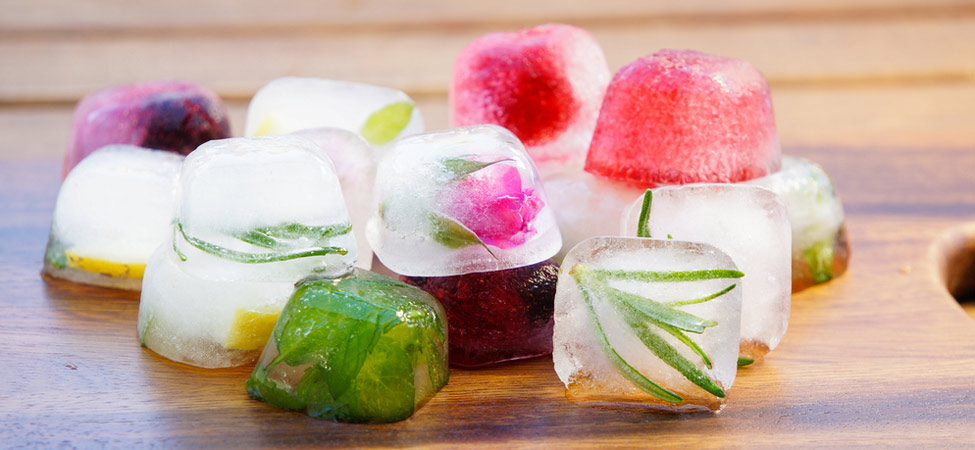
It may not be possible to beat the sun every time you step out of the house. Some day you may forget to wear sunscreen or may have stayed out in the sun for too long. A slip here or there is inevitable, and so is a sunburn. But that does not mean that the damage cannot be reversed or that you have to suffer the burn and pain. If outside home, for immediate relief, turn to cooling gels, such as orange and aloe vera, or a hydrating moisturiser. Apply them generously over the exposed skin, preferably at the first sight of a pink glow or at the start of the itch. At home, ice packs can give you comfort by cooling the skin and reducing redness and inflammation.
While ice packs are a great way to cure sunburn, improvised ice packs could be a refreshing treat to your skin after a hot day outdoors. For example, ice packs made of frozen lemon-honey water, have astringent properties of lemon and anti-microbial property of honey. Similarly, fresh mint ice cubes, made by grinding mint leaves and mixing it in water before freezing it to make ice, could help in instant cooling of the sunburnt skin.