



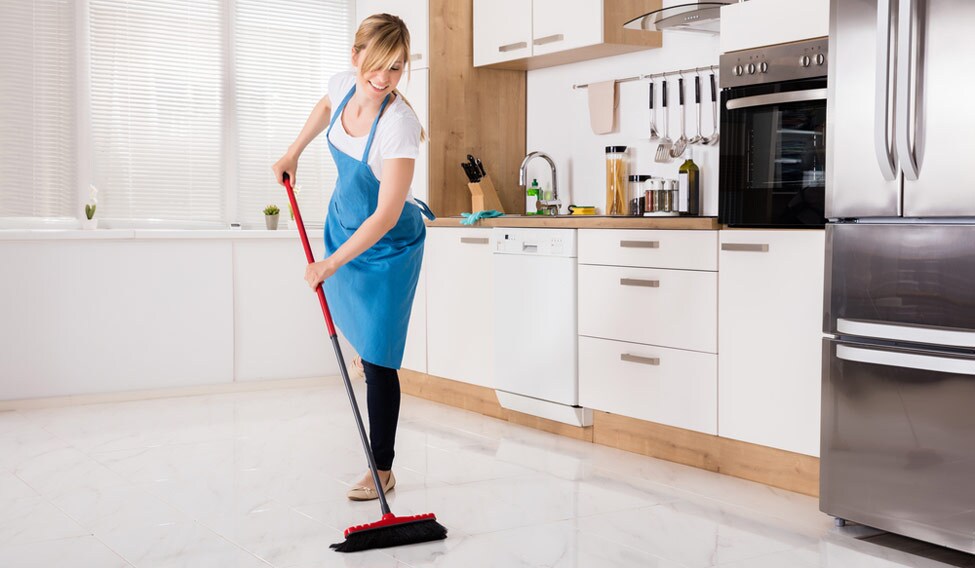
A clean kitchen is a step towards good health. We often ensure to keep our cooking spaces clean and safe, but hidden germs lurking in our kitchens have the potential to make us and family ill if you don't know where to look. You might have a kitchen that is well-kept and seemingly clean, but have you checked in these spots where the germs lurk? Here are a few things that you probably have not been cleaning all this while.
1. Cutting boards: You are done with the chopping the ingredients. As you rinse off the utensils, you give a quick wash to the cutting board as well, oblivious to the haven of microorganisms that can cause contamination and food poisoning. When you cut up raw chicken for the curry, and then use the same cutting board to slice tomato or onions, there is a risk of cross-contamination—with bacteria from the chicken being transferred to the veggies. A 2014 study published in the International Journal of Life Sciences Research revealed that the Indian chicken meat contains pathogenic bacteria like salmonella and E. coli, among others. Out of 2,030 chicken meat samples examined in different parts of India 759 were positive for pathogens. Even fruits and vegetables have pathogens which might end up on the board. Most of the wooden cutting boards have now made way to plastic, as the latter are believed to be easier to sanitise. But cutting on them also leaves knife incisions and grooves where bacteria can hide below the surface. So the next time you use the board, scrub and clean it well. Also replace your cutting boards regularly.
2. Blenders: Our mixer-grinders and blenders are probably the last place we would think of lurking germs. Surprisingly, according to a 2013 study by the National Sanitation Foundation in the US, blenders are the third most germ-infested area of the home, often harbouring salmonella, E. coli, yeast and mould. Though, we may take extra care to clean the jar and lid and keep it sparkling clean and fresh, we often tend to overlook the rubber around the lid, and this is an area where the food, after blending, gets stuck and hidden. Over time, these become a favourite place for disease-causing pathogens. Another part of the blender almost all of us overlook is the gasket—the rubber seal at the bottom of the jar that prevents leaks. Even after we have cleaned the jar, lid and the blades, some the food residue sticks to the gasket, and accumulates with use. So, now that you know where the germs hide, disassemble the jar and wash with warm, soapy water.
3. Sponges and dishcloths: That old yellow kitchen sponge is “200,000 times dirtier than your toilet seat”. Go on, toss it out. A study states that there are around 10 million bacteria per square inch of a kitchen sponge and a million per square inch on a dish cloth. Replace sponges frequently, and always keep them dry; do not leave them wet and slimy in the soap dish. Dishcloths may not have too many moist spaces like a sponge, but do not take them lightly. Dishcloths which you use to wipe plates, your hands and even the kitchen counter top, contain food poisoning bacteria. So, wash them regularly and sun-dry to kill the germs. Also, keep separate ones for hand wiping and for the dishes.
4. Knife holder: Now that you are done with cooking and cleaning, you toss your knives into the knife block—often with water dripping after you have just rinsed them. What you didn't realise, probably, is that those slots that hold knives so well also provide a dark, moist breeding ground for bacteria, yeast and mould. This little bit of moisture, tit-bits of food from unclean knives, and long years of neglect can be dangerous. Before you toss the knives in, clean and dry them.
5. Refrigerators: When we say refrigerator, what quickly comes to your mind could be the shelves and compartments. While you be dutifully keeping them spick-and-span, clean compartments do not alone make a clean fridge. How many times do you focus on the fridge door, and the airtight rubber seal around the door. With a number of folds and crevices, this makes the perfect cosy space for microbes. It is easy for dirt and food residues to accumulate and go unnoticed. Check and clean your fridge door seal on a regular basis. Don't be over enthusiastic, too. Putting extra strain on the seal could damage the seal, and affect the fridge's cooling. Now that you will focus on these hidden germ havens, also keep an eye on the meat compartments and ice trays, too.