



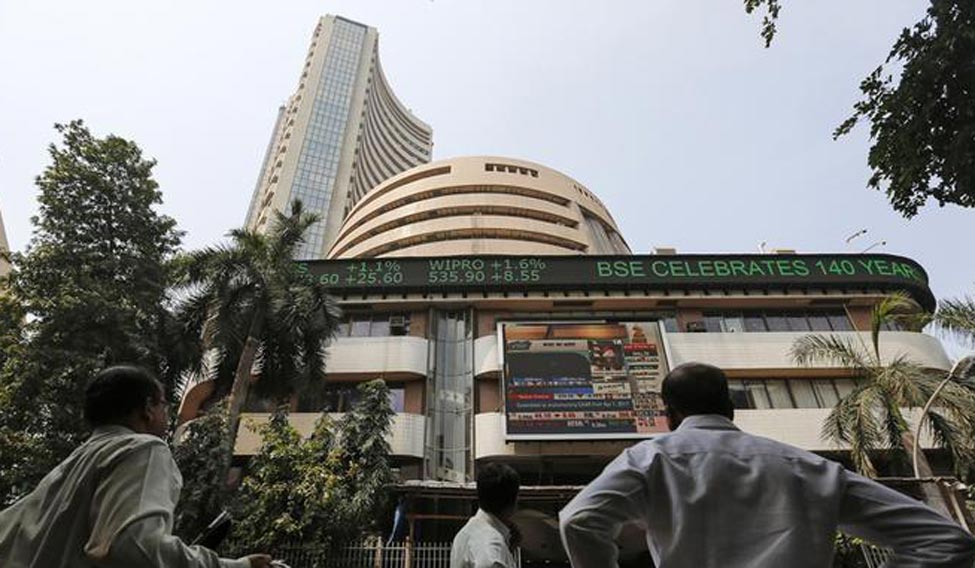
The Bombay Stock Exchange announced this week that it would delist 200 companies "compulsorily" from its platform, effective Wednesday. Additionally, the whole-time directors, promoters and even group companies would be barred from accessing the capital markets for ten years.
The exchange's action was prompted by the fact that these securities had remained suspended from trading for almost a decade.
Market experts say recent actions by the BSE as well as market regulator Securities and Exchange Board of India are giving a clear signal that the intent is to clean up the exchanges from shell companies and sends a strong message to those who were not complying with guidelines.
BSE notified that a majority of the 200 companies had remained suspended for over 10 years and some were also under liquidation and thus would be delisted as per SEBI (delisting of equity shares) regulations.
The companies to be delisted include GDR Media, Dupont Sportswear, Dynavox Industries, Transpower Engineering, Rajasthan Polysters, Elbee Services, Gilt Pack, Credential Finance, Ventron Polymers were among the companies to be delisted.
Earlier this month, Sebi issued a circular urging stock exchanges to take action against 331 listed firms suspected to be shell companies. These firms would be placed in the stage four of the graded surveillance mechanism with immediate effect, it had said, adding trading in these companies would only be allowed once a month.
This is not the first time that regulators and exchanges have taken action against penny stocks and shell companies.
Last year as many as 1,000 entities were debarred from accessing the capital markets by SEBI after they were found to be using stock exchange platforms to evade taxes.
Separately, an investigation by the income tax department too had uncovered a scam involving manipulation in penny stocks used to launder black money.
“Lot of traders would indulge in trading in penny stocks or thinly traded companies, deliberately book losses to cover up for profits elsewhere and thus cut tax. Many such companies are listed and regulators are getting strict on them,” said Sageraj Bariya, vice president at East India Securities.
Market sources say that while exchanges and regulators have been taking action against companies in the past too, they clearly seem to have stepped up their vigil in the recent past, in a bid to crackdown on shell companies.
While delisting the companies, the exchange has also laid down strict guidelines to give investors if any to get a exit route.
"Promoters of these delisted companies will be required to purchase the shares from public shareholders as per their fair value determined by independent valuer appointed by the exchange," BSE has notified.
Many penny stocks are thinly traded and the companies being delisted were in any case already suspended. Therefore, the wider genuine investor community may have little to worry about.
Sudip Bandyopadhyay, chairman of Inditrade Capital, feels BSE's move to delist companies is a right step as many of these companies had been non-compliant for a long time.
“It sends a good message and shows that the regulator is ready to act. Mischief makers should be very careful [post such regulatory actions],” he told THE WEEK.