



Sunday ho ya Monday, roz khao ande—this jingle for a campaign by the National Egg Coordination Committee surely brings back nostalgic memories of childhood, and of yummy eggs in our breakfasts and lunch boxes. As we grew older, however, the nutritional benefits of an 'egg a day' became a subject of debate, with the primary concern of egg being a source of cholesterol. The problem, however, does not lie with eggs, but the way you cook them.
The humble egg has once again been getting a thumbs up with many studies clearing the fad about its health concerns. New studies, in fact, say that it is great if you end up eating an egg every day. As part of a study conducted by the Commonwealth Scientific and Industrial Research Organisation, researchers surveyed more than 84,000 subjects. The study revealed that egg consumption is linked to many positive health conditions. Those who ate the most eggs tend to have better overall diet quality. That doesn't mean, all you egg lovers, just go on an egg-diet.
To get the full benefits of eggs in your meal, and to minimise risks, you must opt for healthier ways of cooking eggs. While we may have our favourites—scrambled, boiled or poached—each of these methods of cooking alters the nutrient levels of eggs.
Eat it raw: Any day, the nutritional levels are higher in raw eggs when compared to cooked eggs. While not all of us may enjoy the smell, and raw, sticky feel of the egg white or yellow, raw eggs are considered one of the healthiest ways of eating eggs. If raw eggs do not seem appetising, soft boiling the eggs is a great way to retain the nutritional benefits. In this way, the yolk stays liquid, and the white thickens to a tender mass.
The process of cooking destroys the goodness of the eggs that our bodies need. When cooked, the egg protein changes its shape, and this new form is what generally causes allergies. Besides the sulphur amino acids that help slow the ageing process, raw eggs also contain an abundance of vital substances including protein, essential fatty acids, along with niacin, riboflavin, biotin, choline, vitamins A, D and E, magnesium, potassium, phosphorous, manganese, iron, iodine, copper, zinc and sulphur.
There is a flip side to it, too. Raw egg whites contain protein avidin which binds to biotin, an essential B vitamin. This prevents the proper absorption of biotin by the body, causing deficiency. Eating raw eggs also increases risk of exposure to salmonella bacteria, which can cause food poisoning.
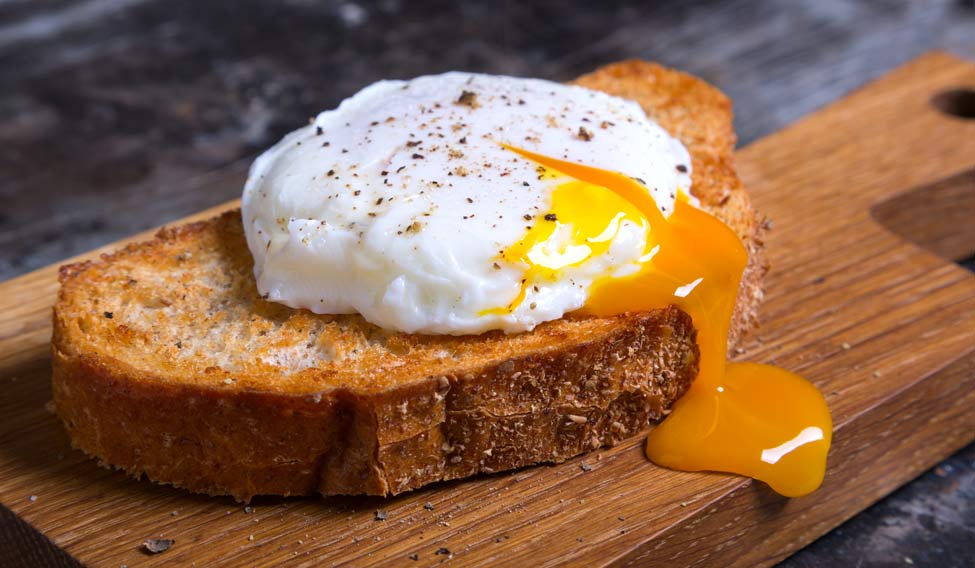
Poached eggs: If you don't like 'em raw, poached eggs or sunny-side-up is the next best option. Heat, in any form, can cause eggs to lose nutritional benefits. Poaching leaves the yolk still runny, and the mild cooking helps preserve many of the nutrients and anti-oxidants. Just like raw eggs, poached eggs, too, are high in choline, a nutrient essential for healthy brain function. Studies have linked low dietary choline to increase in incidence of breast cancer.
 via Pinterest
When an egg yolk is heated in the presence of air (oxygen), its cholesterol gets oxidised. This oxidised cholesterol is what causes heart diseases. One of the best ways to cook a sunny side up egg is to do it with the lowest possible heat. The lower the heat, the less oxidation of the fats. You are lucky if you can pull off the perfect 'emoji egg', you know the with the yolk perfectly in the centre, protected from direct heat by the white on the bottom.
Hard-boiled: The easiest known way of cooking eggs, this can denature some proteins due to the higher amount of heat used for cooking. But like poaching, boiling preserves the yolk from getting oxidised, which is good in a way. If not for any of the previous options, hard boiling is the best way to get the goodness of eggs.
Omelette and scrambled eggs: Here's where you get to experiment the versatility of cooking eggs. There are endless possibilities on how you can make an omelette interesting, with various ingredients like onions, tomatoes, other veggies, cheese, oil, or even pieces of ham. And that is exactly what makes omelettes and scrambled eggs less healthier options. Omelettes and scrambled eggs, being the most cooked and heated versions, also contain oxidised cholesterol. If you crave for omelettes, though, don't deprive yourself. Make them healthier by keeping a check on unhealthy fats like butter and oil, and add extra servings of veggies.