



"There's a need for a national policy to address prevention of the blood-related genetic disorder," says Shobha Tuli, founder member of Thalassemics India and vice president of Thalassemia International Federation. Thalassemia is a disease of the blood causing destruction of the red blood cells resulting in a deficiency of haemoglobin. This deficiency affects the oxygen supply and results in anaemia. Thalassaemia is a genetic disease, which is inherited or passed on from parents to children. However, in order to get disease, both the parents must carry a defective gene which is called autosomal recessive.
A simple test, called the complete blood count test, done at the right time can help detect the genetic disorder early. Counselling and preventing marriages between carriers is another way of preventing the disease, says experts.
Currently, one lakh people suffer from thalassemia in India, and one in three people are carriers of the disease. The only cure for the disease is a bone marrow transplant which is expensive and out of reach for many. "Costs range from 10-15 lakhs per transplant. Also, a donor sibling is needed for the transplant, and the match has to be 100 per cent compatibility, which is hard to find," says Tuli.
High costs prevent a lot of people from getting treatment, says Dr Renu Saxena, professor and head of haematology at AIIMS. At AIIMS, the cost of the treatment ranges from 6 to 10 lakhs, says Saxena. "The demand for treatment is high, so there is a need for increasing the centres that provide this treatment at an affordable cost," she says.
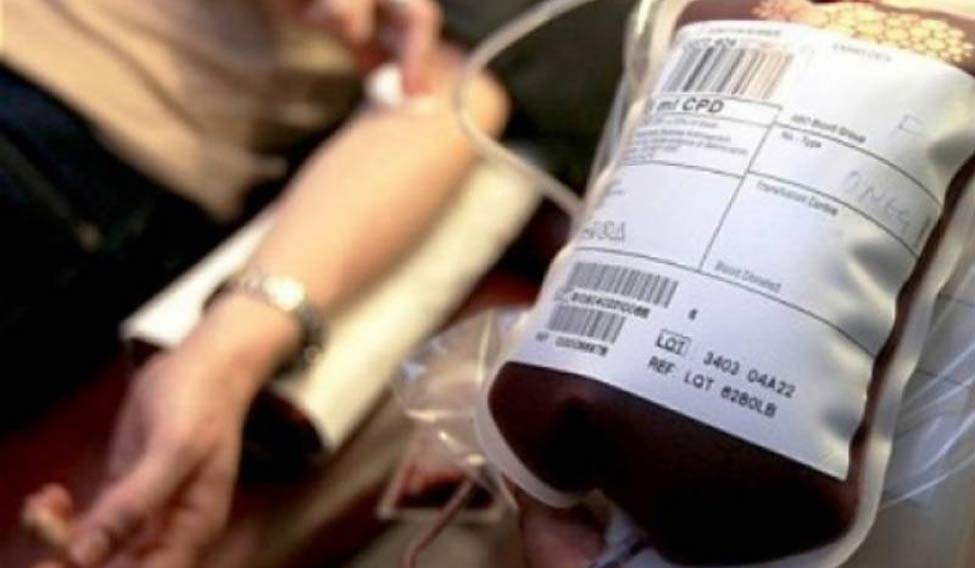
Aside of the transplants, costs of blood transfusion required as part of treatment are also high—ranging from 1-2 lakhs. Also, care has to be taken to filter the blood and monitor for infections.
To increase accessibility of treatment, Tuli says that Thalassemics India is also working on a project with the ministry of health and family welfare, a project that the ministry has undertaken with Coal India, to provide free treatment to poor patients of thalassemia.
Tuli also says that patients suffering from this genetic disorder should have a right to receive blood on request, without a need for replacement. "But the costs of prevention outweigh the costs of treatment any day," she says.