



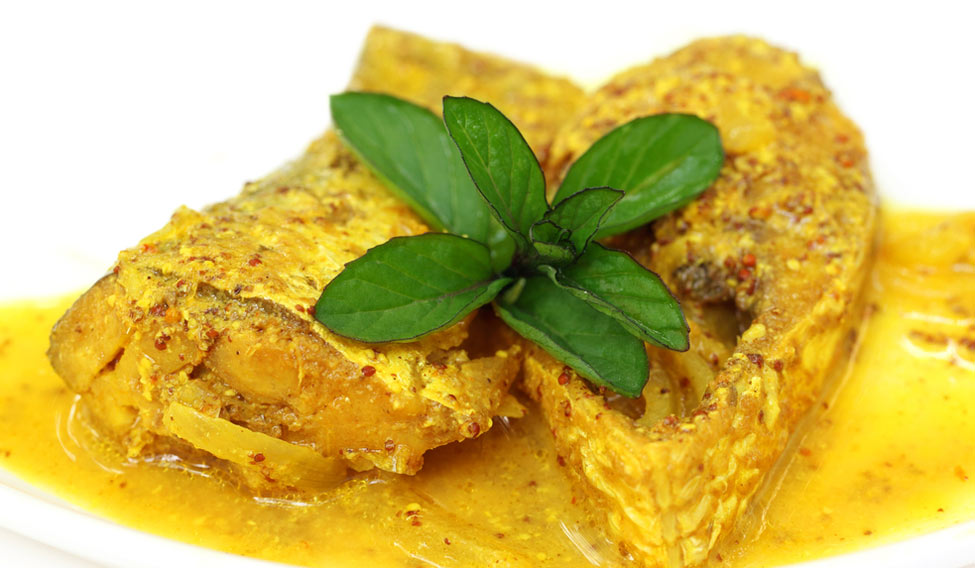
When you think of Bengali cuisine, fish and rasgulla are probably the only things that come to your mind right away. But, Bengali food is so much more beyond that. From the mind-blowing luchis and radha ballavis to the rich mutton preparations and ghugni, Bengali food sure is a treat for the senses. Here are some essentials you must stock in your pantry if you want to whip up some Bengali delicacies.
Panch phoran: Panch phoran, which roughly translates to a mixture of five seeds used for tempering, is a common element in most Bengali dishes. The mix consists of radhuni or celery seeds, kalonji or black onion seeds, cumin, fennel and fenugreek. Each variety of seed adds a distinct flavour to the dish. A mix of panch phoran will let you whip up any Bengali vegetable dish with ease.
Cinnamon: This aromatic spice is widely used in Bengali cuisine, too. Broken or powdered, if browned in oil right before you cook, it gives a distinct flavour and smell to your meat or rice dishes. It is also used as a flavouring agent for desserts.
Mustard paste and oil: Mustard forms the heart of Bengali cuisine. In fact, shorshe is the main ingredient in many pickles, chutneys and curries. A pungent mustard paste called kashundi is also used as a dip. Mustard oil, too, plays an important part in Bengali cuisine. The strong pungent flavour that emanates from the oil is what makes Bengali dishes stand apart. In fact, if you step into a Bengali kitchen, you will always get a whiff of mustard oil.
Khus khus: Khus khus or poppy seeds is an integral part of the cuisine. It is mainly used in vegetable preparations for a unique texture and flavour. Khus khus, besides making you a tad sleepy, also has acids that help break down the food consumed and digest it better.
Nolen gur: Delicious sweets like kora paker sandesh, gurer rosogolla and nolen gur payesh are made using this sweetener. Come winter, jaggery from the date palm tree is a must-have in any Bengali kitchen. Nolen gur, unlike sugar, adds a woody flavour to your sweet dishes.