


 Add as a preferred source on Google

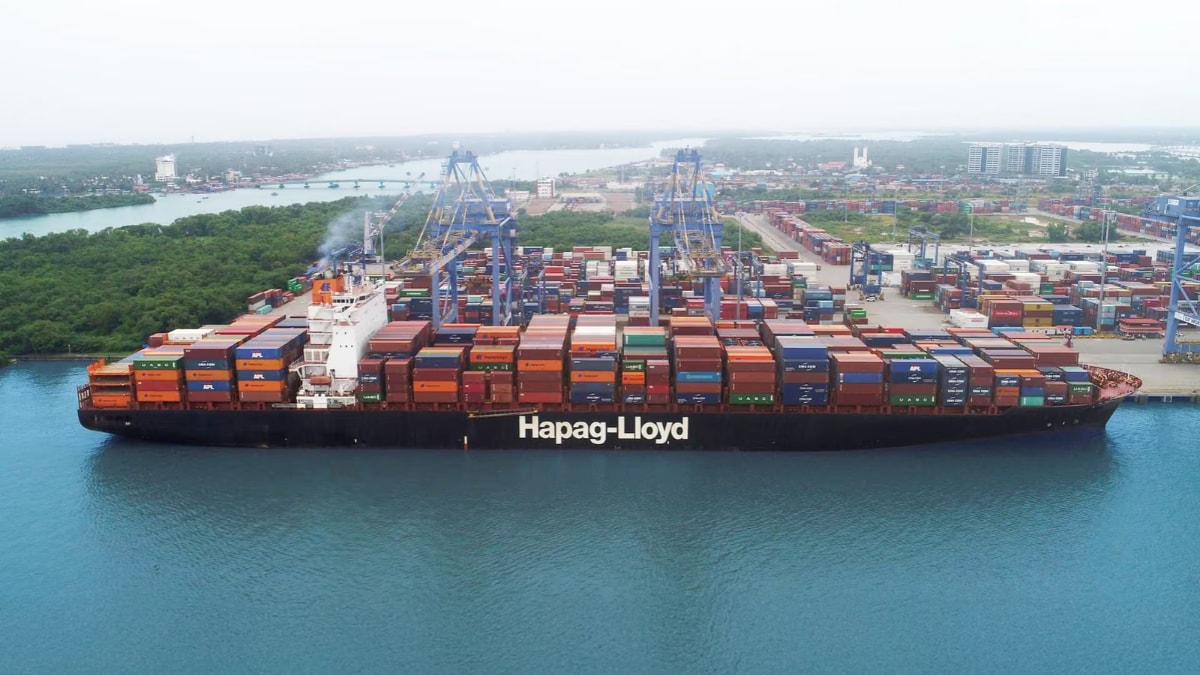
The Cochin Port strike entered its 12th day on Saturday, with traders warning that the disruption of port operations could eventually lead to million-dollar losses.
Container truck drivers have been protesting indefinitely at the Vallarpadam International Container Transshipment Terminal (ICTT) of the port since November 9. The sustained losses have now forced shipping lines and importers to explore alternative ports in South India, such as the V.O. Chidambaranar Port in Tamil Nadu.
According to the Cochin Chamber of Commerce and Industry (CCCI), the strike has also led to 1,810 containers piling up at the terminal, an Indian Express report said.
A large chunk of these happen to be reefer (refrigerated) containers, which usually contain perishable goods, like fruits, which need to be kept refrigerated to stay fresh.
Now, doing so amid a strike rakes up charges: the report notes it is ₹588 to ₹886 per container for a four-hour slab, which comes to about ₹2,352 to ₹3,545 for the whole day for a single container.
On top of that, after seven days in storage, the port levies a separate demurrage charge per container from the eighth day onwards, which comes to about ₹836 to ₹1,372. This charge doubles seven more days later.
(Cochin Port's cargo shifting to other ports) will have long-term implications for the region’s trade, logistics ecosystem and economy,” CCCI vice-president Prakash Iyer said in the report.
In that regard, the CCCI has also appealed to the Centre and the state government to intervene and help bring the strike to an end. Shipping lines and importers have also urged the port authorities to waive its container charges for the time-being as well.
What is the Cochin Port strike about?
The Cochin Port was one of the three locations shortlisted by the Centre for trialling compulsory scans on all import containers before their release.
This arrangement, under which container truck drivers have to make multiple trips through a drive-through scanner, had workers complaining of health issues like body pain, headache and nausea.
Though the Customs Directorate of Logistics states that such systems already come with safeguards to prevent drivers being exposed to unsafe levels of radiation, the alleged health issues sparked questions of safety arrangements in place for them.
All eyes are now on how India's maritime stakeholders and other government bodies will resolve the deadlock so that the major port retains pride of place among the country's ports in the South.
