


 Add as a preferred source on Google

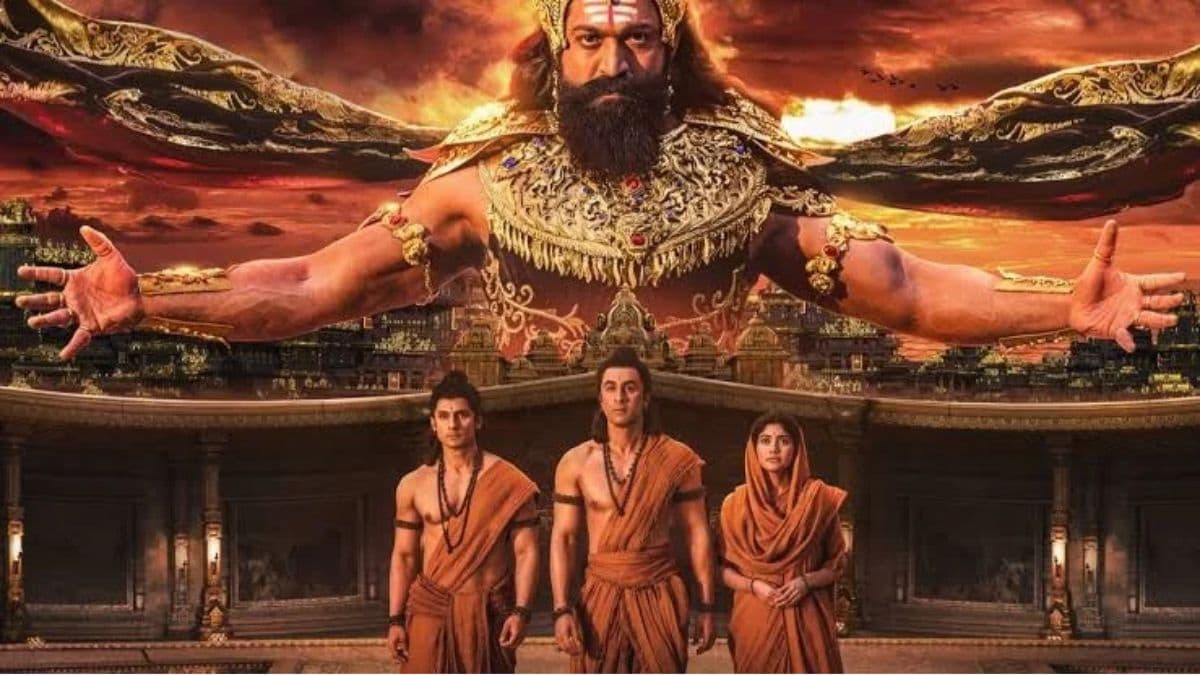
The Vishva Hindu Parishad (VHP) on Saturday demanded the CBFC to revoke censor certificate given to 'Ramayana: Part One' and sought immediate ban on its screening, alleging that the producers altered the story of Valmiki's Ramayana and tried to glorify Ravana.
Expressing strong displeasure over the Ranbir Kapoor starrer, VHP General Secretary Bajrang Lal Bagra alleged that Ramayana directed by Nitesh Tiwari portrays Lord Rama and his family in a lighthearted manner, while trying to glorify Ravana.
He went on to allege that the movie's storyline is a deliberate attempt to distort the Hindu epic and hurt religious sentiments. "Society will never accept such attempts to play with the sentiments of the Hindu community," he said.
Bagra pointed out that important episodes like Ahalya's salvation, friendship with Nishadraj Guha, and Kevat's devotion are not shown in the film.
"Instead, the great mission of Lord Rama to eliminate demons who were enemies of society and obstructed sages and saints in their spiritual practices, yajnas and gurukuls has been portrayed as a personal struggle driven by revenge for the abduction of his wife," Bagra alleged.
The VHP leader also alleged that the Namit Malhotra production attempts to portray demon king Ravana as a helper of the poor and downtrodden.
Bagra's remarks come more than two weeks after the movie's release. So far, Ramayana: Part One has minted over ₹1,600 crore worldwide, including more than ₹1,070 crore in India alone. The movie is set to release in China, South Korea and other countries soon.
Earlier, the Hindu Janajagruti Samiti had alleged that the movie differs from the original epic written by Valmiki, claimingthat the film glorifies Ravana, while Lord Ram and Lakshman are shown in a distorted light. They warned that if similar distortions appear in the second part of the Ranbir Kapoor starrer, they will stage protests across the country.
