



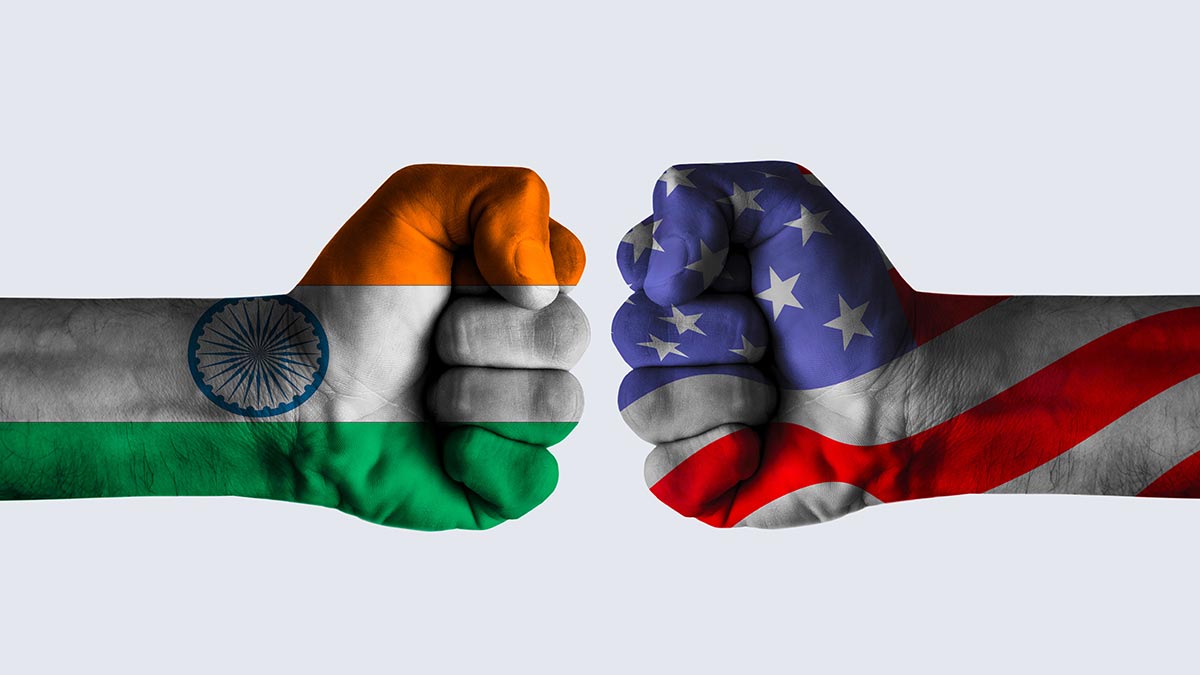
In relations between states, as in personal relations, come moments of great clarity when situations must be assessed without excuse, apology or gloss. The Russia sanctions law is such a moment in the India-US relationship, badly buffeted as it is over the last 20 months. It is now time to apply the cold edge of the scalpel, cut the fat and get to the heart of the matter.
Acceptance of the problem is crucial to any resolution. We need to accept, without caveats, that the relationship has cratered significantly. In America’s eyes, India is not the strategic partner that we believed we were. Acceptance of this reality means casting overboard long held predilections and comforting wishful thinking.
Then the granular aspects of this acceptance.
It is self-deluding to put the blame solely on Donald Trump. Implicit in that approach is the naïve belief that if today he, like Clint Eastwood of yore, rides off into the sunset, our relations will snap back to a golden age. Let us accept that what we are seeing goes beyond even the most destructive personality. Economic nationalism, racial supremacism, moral poverty, naked aggression and wanton disregard for international law and norms are trends which will outlast Trump; on many issues the centre has moved in American politics. A Vance or a Rubio or a Democrat successor may not be much different, though a tad predictable.
The passage of the bill, and the amendments proposed, was a display of imperial arrogance from the Hill. Votes in favour of punishing India—along with four other countries—for buying Russian oil cut across party lines, including in the Congressional India caucus; even one Indian-American congressman in the ‘Samosa caucus’ voted in favour. Let us accept that the bipartisan consensus on the India partnership, built assiduously over a quarter century, has developed a crack. Richard Blumenthal, the Democrat senator, poured salt into the crack and hectored India: “Clean up your act.” Really, Mr Blumenthal? Bit rich coming from someone who ‘misspoke’ about his Vietnam service. Perhaps the Indian-Americans, including the much-feted tech bros, need to put their money to better use: US senators and congressmen have a way of changing their tune.
It is self-defeating to explain away this arrogance as America’s way. Or to glibly argue that the Trumpian phase is transitory, that the strategic logic of the relationship is inexorable, that despite everything America remains our best choice, that the wise bend with the wind. Let us accept the limits of appeasement and transactional tactics: appeals for more investment in the US, ego massages for Trump and his family and fawning over his proconsular envoys have not worked; we are not field marshals in self-designed uniforms.
It should be of no comfort that the US behaves likes this with allies and other partners, too. It should not matter that Trump may never pull the 100 per cent tariff trigger, or there may be carve-outs and waivers. What matters is that this is one affront too many.
The dignity of a nation is non-negotiable. How we deal with the situation is a separate matter and the two should not be confused. If standing up to the US means economic setbacks or difficult choices or looking for alternatives, then so be it. We have faced this overbearing arrogance before and responded with resilience: recall the nuclear file. In our history lies our strength. On matters of principle, we need not nuance too much or look over our shoulder: that itself will open up more choices. The relationship with the US is important but not at this price.
It is time to call the bully’s bluff.
The author was India’s high commissioner to the UK and ambassador to the United States.
