



The Cockroach Janta Party (CJP) has made it clear that Chief Election Commissioner Gyanesh Kumar’s resignation will not bring its agitation against the Election Commission of India to an end. The organisation is preparing to intensify its campaign, with a protest at Delhi’s Jantar Mantar on October 10 and demands ranging from a halt to the Special Intensive Revision (SIR) of electoral rolls to changes in the process of appointing election commissioners.
“Even if Gyanesh Kumar resigns, we will not bow down,” CJP co-convener Saurav Das told THE WEEK, asserting that the organisation would continue its agitation until its demands were addressed. Das has called on supporters from across the country to join the protest in Delhi, indicating that the campaign will not be limited to a single demonstration.
The October 10 protest is being organised with student groups, including the All India Students’ Association, the All India Students’ Federation and the Students’ Federation of India. The Aam Aadmi Party’s student wing, the Association of Students for Alternative Politics, has also joined the mobilisation. The participation of these groups is expected to bring students and young people into a campaign that CJP has sought to expand beyond its initial base.
The CJP’s demands go well beyond the removal of the chief election commissioner. The organisation has sought a freeze on the SIR exercise, restoration of the January 2025 electoral roll, an independent inquiry into alleged irregularities and a halt to upcoming elections. It has also called for criminal proceedings against Kumar and repeal of the 2023 law governing appointments to the Election Commission, demanding an independent selection process for election commissioners.
The demands place the Election Commission’s functioning and the process of appointing its members at the centre of the agitation. CJP has questioned the existing appointment framework and argued that electoral reforms are necessary to address its concerns. The organisation has also sought action over what it describes as irregularities in the revision of electoral rolls.
For CJP, the immediate challenge is to translate its demands into a sustained mobilisation. The October 10 gathering will provide an indication of the support it can draw in the national capital and whether it can maintain pressure after the protest. Das’s call for supporters to travel to Delhi suggests that the organisation is preparing for a campaign that could continue beyond the scheduled demonstration.
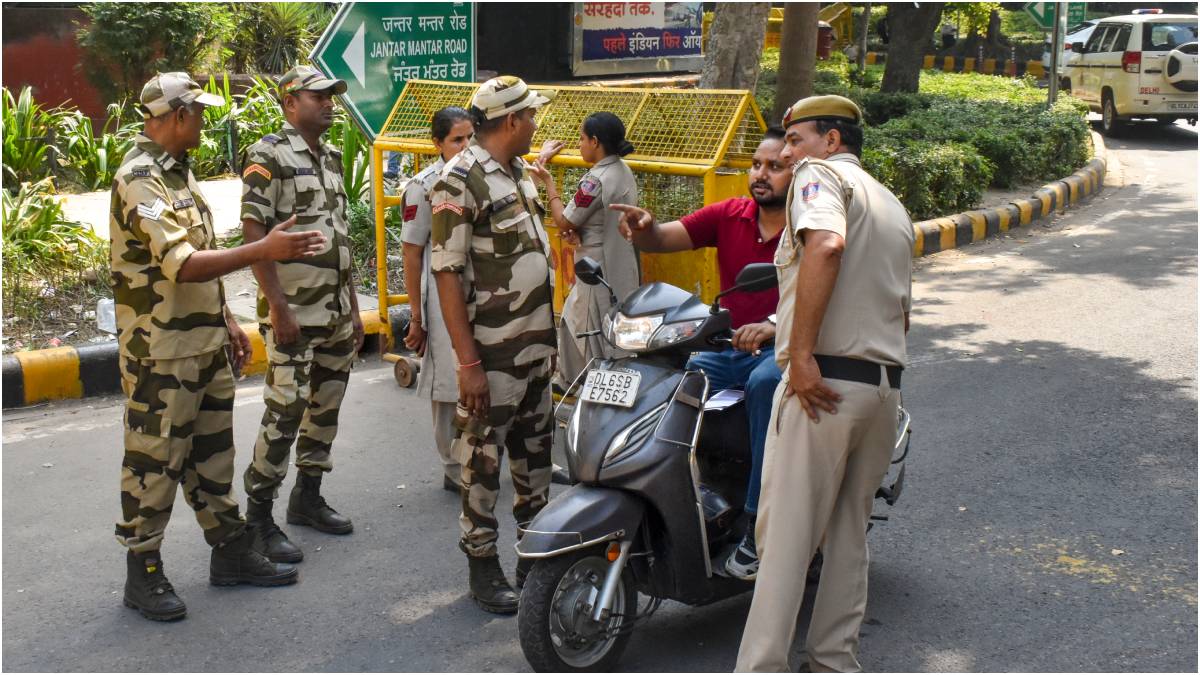
The protest is also expected to draw attention to the administration’s handling of demonstrations in the capital. Security arrangements and restrictions imposed by the Delhi Police ahead of the gathering could shape how the mobilisation unfolds.
The CJP has not indicated that it will withdraw its demands if Kumar steps down. Instead, it has maintained that the campaign must address the wider issues it has raised about electoral rolls, the appointment of election commissioners and accountability within the poll body.
With the October 10 protest approaching, the organisation is preparing to take its campaign to the streets once again. Whether the mobilisation can sustain itself beyond Delhi and attract support from a wider section of voters will become clearer in the days ahead.
