



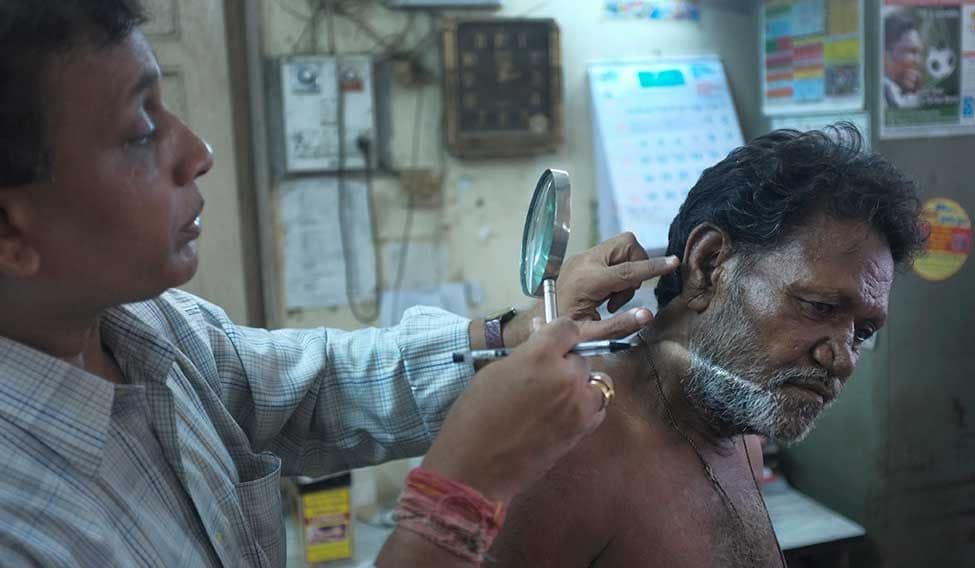
Leprosy, also known as Hansen's disease, has been a burden on India for centuries. Its impact extends far beyond physical symptoms; it carries social stigma that isolates individuals from their communities.
India has the highest number of leprosy cases in the world. More than half of all new cases reported globally are in India. All the same, India is making significant strides in its efforts to achieve a leprosy-free status by 2027. Initiatives like Leprosy Case Detection Campaign (LCDC), ASHA Based Surveillance for Leprosy Suspects (ABSULS), Focused Leprosy Campaign (FLC), Special Plan for Hard-to-Reach Areas will help in early case detection and for the awareness and stigma reduction. Sparsh Leprosy Awareness Campaign (SLAC) are being observed in the country.
The National Leprosy Eradication Programme (NLEP) was launched in 1983. It focuses on early detection, prompt treatment, and rehabilitation of those affected by leprosy. Through a network of healthcare workers and specialized clinics, NLEP aims to provide accessible and high-quality services to all individuals diagnosed with leprosy.
India launched the National Strategic Plan (NSP) for Leprosy in January, 2023. It outlines key strategies that include improving case detection rates, ensuring timely treatment with Multi-Drug Therapy (MDT), enhancing disability prevention and management services, as well as addressing stigma associated with the disease. By engaging local communities and raising awareness about leprosy through campaigns and educational programs, there is an increased likelihood of early diagnosis and reduced transmission rates.
The roadmap laid out by NLEP includes targeted interventions in high-burden states. These states receive additional resources. While challenges remain on this journey towards a Leprosy-Free India – including geographic complexities within remote areas – concerted efforts continue, aimed at ensuring that no person goes undiagnosed or untreated.
The National Strategic Plan and Roadmap for leprosy aims to strengthen and enhance the existing strategies implemented under the National Leprosy Eradication Programme. Its objectives include early detection and prompt treatment of new cases, prevention of disabilities among those affected, improved health-seeking behaviour among communities, empowerment of affected people through socio-economic rehabilitation programs, and monitoring progress towards elimination.
Efforts are being made to increase awareness about leprosy at both community and individual levels. Initiatives like door-to-door screening campaigns, educational programs in schools and colleges, medical colleges have been taken up. There is a focus on capacity building among healthcare professionals at all levels. Training modules have been developed to improve diagnostic skills. This ensures that timely treatment is provided which can prevent disability associated with advanced stages of the disease.
Active surveillance systems have been put in place to track every case reported in order to map the prevalence of leprosy across different regions in India. This data-driven approach helps identify high burden areas where targeted interventions can be implemented. Nikusth 2.0 digital platform is helping in capturing the data of leprosy cases from States/UTs. The National Strategic Plan also emphasizes collaboration between various stakeholders including government agencies, non-governmental organizations (NGOs), international partners, researchers, civil society organizations and affected persons themselves. Working together in synergy enables better resource allocation as well as sharing best practices for effective implementation of eradication activities.
The author is Deputy Director-General (Leprosy), Director General of Health Services, Ministry of Health & Family Welfare.
