



The long-bearded jolly gift-bearer with elf helpers, a reindeer sleigh, and the “Ho Ho Ho” chant is waited on by billions around the world. Thanks to technology, the anxiety of waiting is now over. With NORAD, the North American Aerospace Defence Command and Google, we can now track Santa’s live location from the morning of Christmas Eve as he delivers presents.
A chat with Radar, NORAD’s Reindeer Chatbot, two hours before Santa’s scheduled departure from the North Pole, revealed that Santa was getting ready, preparing for his flight as his elves were busy handling gifts in his workshop. According to NORAD, Rudolph’s nose gives off an infrared signature similar to a missile launch, which helps in tracking.
Santa tracking has become central to Christmas, often seen as a modern tradition observed around the globe. There are multiple websites and applications to do this, namely NORAD, Google, Microsoft, and Glympse, among others.
However, it all began with NORAD when the tracker was developed 70 years ago. The tracker, which NORAD says is a combination system of radar and satellites in a geosynchronous orbit, shows how Santa usually begins his journey in the Pacific Ocean before heading West.
In 1955, Sears Roebuck & Co. advertised in a Colorado Springs newspaper. The ad presented an opportunity for children to call Santa through a phone number. However, the number was misprinted, and the calls went to the Continental Air Defence (CONAD) Command’s director of operations, Col. Harry Shoup.
Shoup, who expected only his superior’s voice on this top-secret line, was astonished when he was met with the question, “Are you really Santa Claus?” from a small child. Though Shoup played along, he later assembled staff to handle the influx of calls to Santa Claus while the mistake was rectified.
Seeing it as an opportunity for outreach and PR, CONAD’s public affairs officer released a report stating “one unidentified sleigh, powered by eight reindeer, at 14,000 feet (4,300m), heading 180 degrees”, with a plan to track Santa on Christmas Eve, as a one-time event.
The following year (1956), the US National Press and United Press International asked CONAD if they would be tracking Kris Kringle this year, which got its assent from Shoup, establishing an annual tradition.
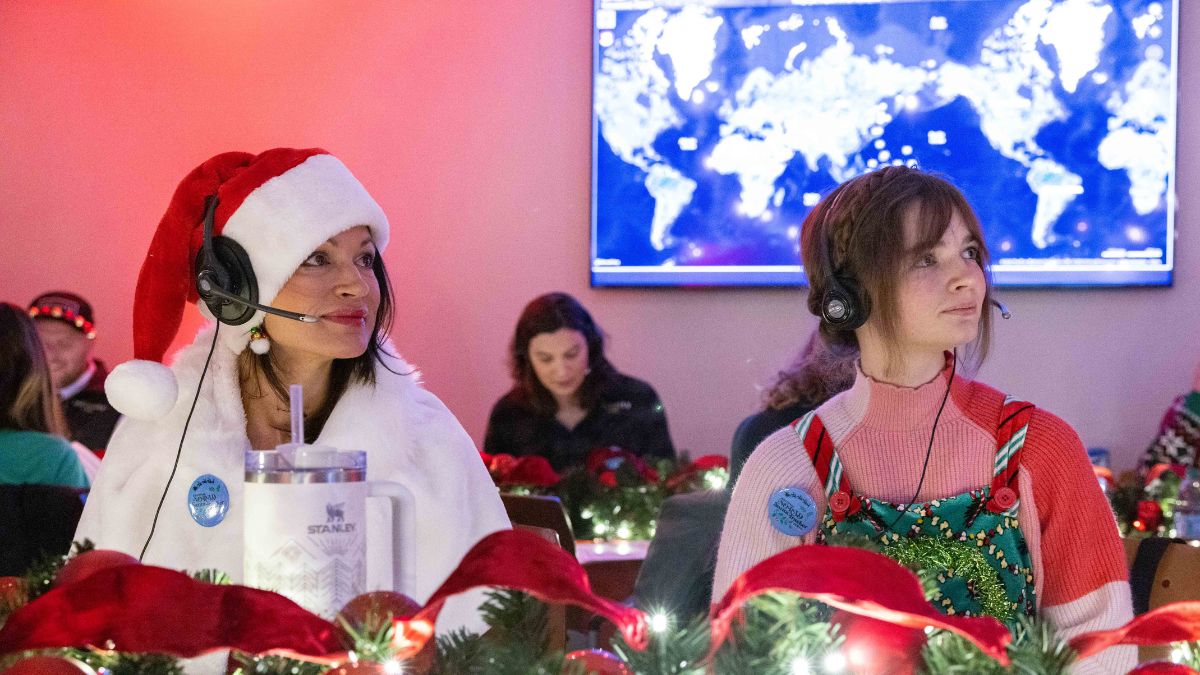
In 1958, NORAD took up this responsibility. Every year, thousands of calls (Santa hotline Tel:+1-877-HI-NORAD), emails and letters are handled by volunteers.
Inspired by the NORAD Santa Tracker, employees at Google stated that they felt like it could be better for users to visualise where Santa is currently. Originally the ‘Keyhole Santa Radar’, the service got 25,000 viewers in its debut year.
Three years after its initiation in 2004, NORAD and Google formally announced a partnership which would last for the next five years. Over the years, the tracker added several features for students and educators, even featuring a COVID-special where Santa, Mrs Claus and the Elves were wearing masks.
The Google Santa Tracker presents a more vivid and interactive website. It has a countdown, multiple games, activities for the whole family featuring basic coding skills and information snippets alongside North Pole Newscast (news updates on Santa and his elves) and an option to call Santa and hear stories or jokes from Santa.
Some of the games are Code Boogie, Santa Selfie, Ollie Under the Sea, Season of Giving, Map Quiz, and Translations.
The tracker starts on Christmas Eve, in the furthest east time zone (UTC) and shows Santa travelling, handing out presents, travelling approximately one time zone west per hour. Cities visited by Santa have their overview, photos and temperature depicted.
Today, both NORAD and Google Santa trackers have become a significant part of the Christmas culture around the world, especially among children who sleep before Kringle makes his entry; tracking Santa, answering calls and adding spark to the holiday spirit.
