



THE 18TH BRICS summit can be termed an unqualified success in terms of diplomacy, statecraft and examining alternatives to the existing west-dominated global order. That conflicting member states such as the UAE and Iran came together is indicative of the success of the tightrope walk done for this edition.
The key takeaways from the summit are indeed encouraging. These included a calibrated pushback against unilateral tariffs and restrictive trade practices, a call for restraint in the West Asia conflicts, a push for UN Security Council representation for emerging economies like India and Brazil, and local-currency trade instead of dollar dominance.
Also noteworthy was the marked India-China thaw with Xi Jinping visiting India after nearly seven years. The economic stress both nations faced because of US tariffs was a compelling reason for them to re-evaluate their relations.
Beijing needs a cooperative India for multilateral group cohesion, while Delhi hedges against external trade shocks. While practical economic and diplomatic engagement is set to expand, deep strategic trust will not return soon. Shared pragmatism has allowed the two sides to manage disputes and prevent stalling of summits and dialogue processes, but substantial military deployments remain locked along the LAC, large trade imbalance persists, tech-security vetting has stalled digital linkages and Beijing’s strategic military backing of Pakistan and hydrological data sharing continue to be sore points.
India seems to have expressed cautious optimism and continues to believe in the time-tested dictum of “trust but verify”. However, if past bitter experiences are any indication, India seems to believe now in a modified version that demands verification before trusting. This would be more evident as China will host the next BRICS Summit and it appears to be carrying forward an agenda that would consolidate its position.
An analysis of western media reporting indicates that the US and the western coalition view the evolution of BRICS with a mix of sharp strategic anxiety and structural scepticism. While western analysts acknowledge India’s crucial role as a moderating force that prevents the bloc from turning into an overtly hostile, anti-western military alliance, the deliberate movement towards parallel financial systems is seen as a direct challenge to the western-led financial order fully driven by dollar dominance.
The US has threatened BRICS nations with 100 per cent punitive tariffs on their exports if they actively seek to replace the dollar in global trade. Washington views the push for systems like BRICS Pay or interconnected Central Bank Digital Currencies (CBDCs) as an explicit attempt by adversaries like Russia and Iran to evade western sanctions. It is obvious the west, led by the US, does not want to be out of the comfort zone provided by the dollar-driven global economy.
As long as India maintains its multi-alignment strategy—expanding technology and defence partnerships with the US/Europe, while remaining in BRICS—the west views the bloc as a manageable diplomatic challenge rather than an existential threat.
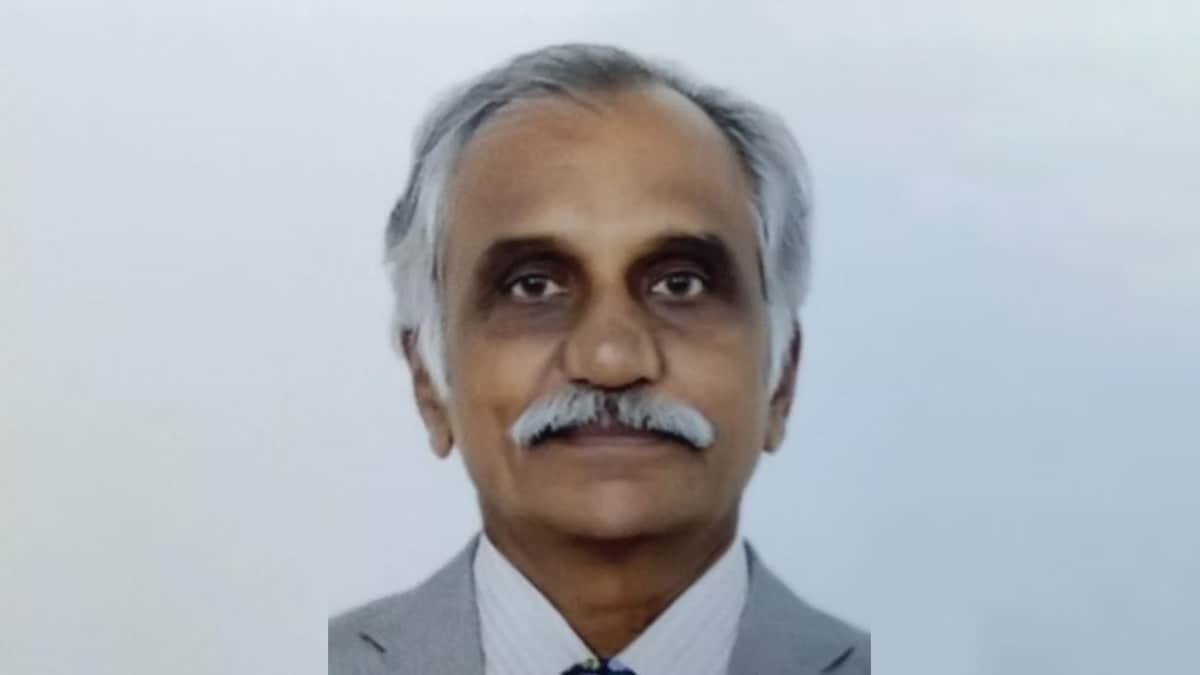
The writer is director, Chennai Centre for China Studies.
