


 Add as a preferred source on Google

The International Court of Justice has done what it never did before. On November 19, it decided by a majority of nine to six that Myanmar was directly responsible for committing genocide against the Rohingya. For a people who have lived for decades with persecution, statelessness and exile, the finding must have come as a much-delayed vindication.
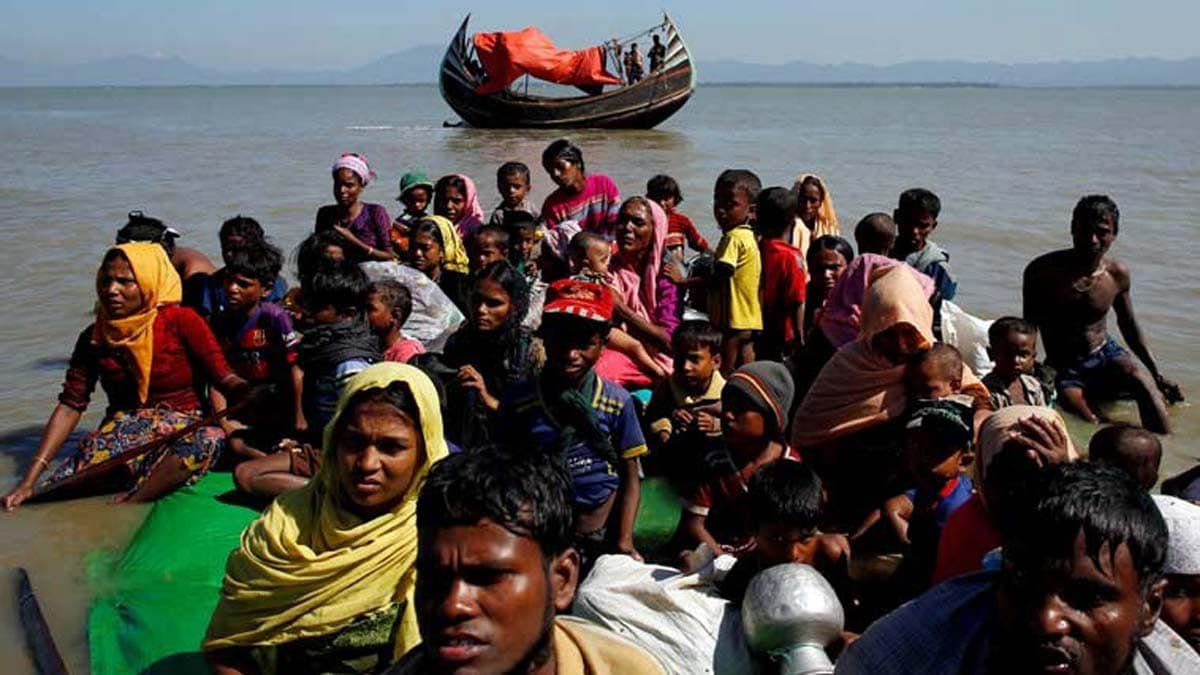
The case was brought by The Gambia in November 2019 and was focused on the military campaign in northern Rakhine State in 2017. About seven lakh Rohingya people had to flee to Bangladesh, joining a population already uprooted. Refugees spoke of mass killings, rape, torture and villages erased. Myanmar called it counter-insurgency against the Arakan Rohingya Salvation Army. The court, however, refused to accept the explanation.
The perceived intent of the Myanmar army was the key for the ICJ. The Genocide Convention requires proof of a specific purpose to destroy a group, in whole or in part, and that is the point at which most genocide cases falter. The judges weighed the systematic nature of Myanmar’s operations, the extremity of the violence against civilians, the destruction of villages and a long record of discrimination. Their conclusion was that the only reasonable inference was an intention to destroy a substantial part of the Rohingya.
The judgment records the killing of at least 10,000 people. It records widespread gang rape, attacks on children, torture, hundreds of villages burned and civilians shot as they ran. None of it, the court said, was just military excess. It was a coordinated campaign against a protected community. That takes the ruling well past the 2007 Bosnia case, where Serbia was held responsible only for failing to prevent genocide and to punish those behind it. Myanmar stands accused of committing it.
The court also refused to treat the 2017 violence as an isolated eruption. The 1982 Citizenship Law, and the manner of its enforcement, stripped much of the Rohingya of legal identity. Limits on movement, schooling, marriage and work did the rest. The court found these as the groundwork, the slow denial of rights that made mass violence possible.
Following the judgment, Myanmar must now enable the safe, voluntary and dignified return of the displaced, restore or replace property destroyed or taken, and provide physical and psychological care to survivors. It must shield the community from further persecution, including in access to citizenship and freedom of movement. The court has made it clear that return cannot mean trucking people back across a border. It means conditions in which they can rebuild their lives.
Myanmar has two years to report on what it has done to comply, including the amount and manner of compensation, and the court will then judge whether that is enough. The implementation will certainly be tricky. Myanmar has been consumed by civil war since the coup of February 2021. The military has lost ground, including parts of Rakhine, where the Arakan Army is now a formidable power. The Rohingya have suffered fresh abuse in the fighting. Even a junta eager to comply would struggle to guarantee security for returnees on territory it no longer controls. At the moment, the generals may not be very keen on that.
Enforcement will be an even more difficult question. ICJ judgments bind the parties, yet the court has no power to impose its order. The UN Charter allows an aggrieved party to take non-compliance to the Security Council, but China and Russia hold vetoes and enjoy close ties with Myanmar's generals. Compliance will therefore rest on diplomatic pressure, coordination among governments and a willingness to make it a priority rather than an afterthought.
The ruling still leaves a mark beyond Myanmar. By confirming that any state party to the Convention may bring a case against another, even without suffering direct harm, the court strengthened the principle of erga omnes partes: preventing genocide is a shared duty. That carries obvious weight for South Africa's pending case against Israel over Gaza, though the Myanmar judgment decides nothing there. It may also help individual accountability. The ICJ tries states, not people. Commanders and political leaders must answer before other courts, but findings of this authority could feed investigations and prosecutions, including under universal jurisdiction.
