



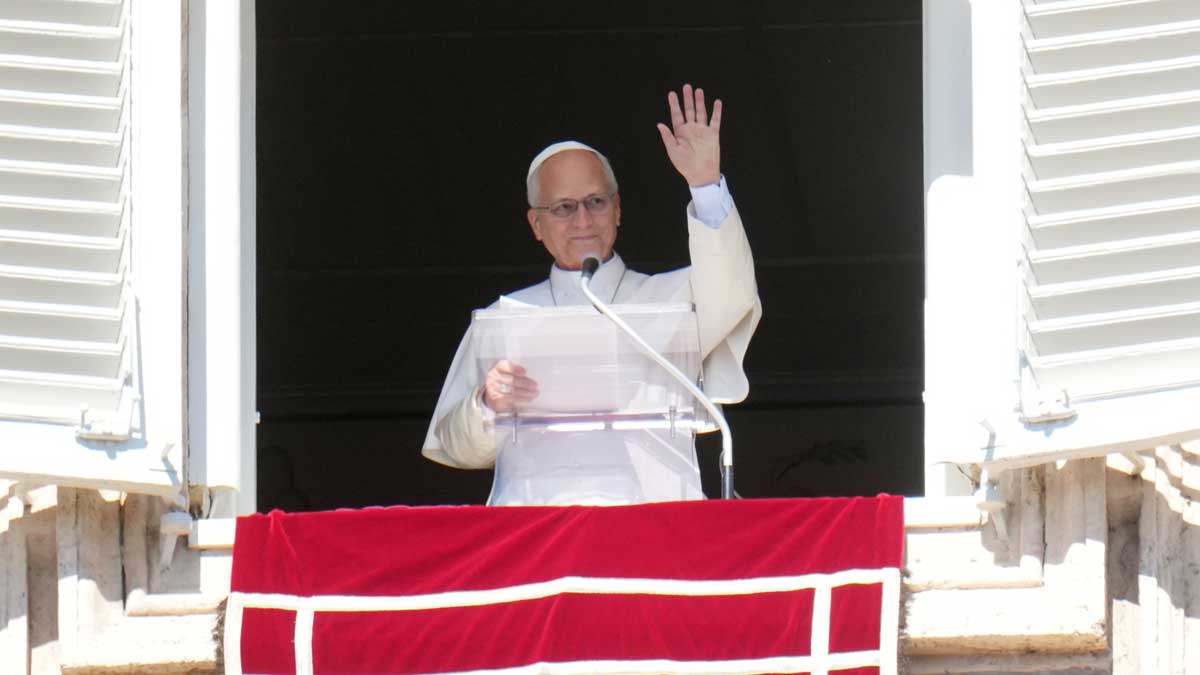
Pope Leo XIV has undergone surgery to remove the lower lobe of his right lung after doctors diagnosed pulmonary adenocarcinoma, a common form of non-small cell lung cancer. Yesterday’s operation at Rome’s Policlinico Agostino Gemelli hospital marks a critical medical event early in his papacy, placing his recovery and future engagements under scrutiny.
The Vatican said the procedure lasted about 90 minutes, although the Pope spent roughly three hours in the operating theatre. Surgeons performed a complete right lower lobectomy using a video-assisted technique. The Vatican described the operation as “radical”, indicating an attempt to remove all the affected tissue. The pontiff emerged from anaesthesia normally, underwent post-operative observation and returned to a room on the hospital’s 10th floor. With the traditional papal suite under renovation, he was accommodated in an adjacent private wing. His request for supper that evening offered an encouraging early sign of recovery.
The diagnosis was disclosed publicly on Sunday, when the 71-year-old Pope told pilgrims gathered for the Angelus in St Peter’s Square that routine examinations had revealed a small, “well-contained” nodule at an early stage. Acting on medical advice, he opted for surgery before resuming his travel schedule. Cardinal Pietro Parolin, the Vatican Secretary of State, described the diagnosis as a “bolt out of the blue”, while noting the serenity with which the Pope had received the news.
The decision to proceed promptly also reflects the demands of the papacy. Leo is still in the early months of his tenure, with a crowded calendar of pastoral engagements and diplomatic responsibilities. A planned period of recovery may prove less disruptive than allowing uncertainty over his health to persist. The Vatican’s public disclosure has also helped establish a clear narrative: an early finding, an operation and an initial recovery, even as crucial test results remain pending.
Medical specialists assessing the information released by the Vatican have suggested that the findings are consistent with early-stage disease. Surgery can offer favourable outcomes when non-small cell lung cancer is localised and completely removed. However, further histological examinations and analysis of the lymph nodes will determine the precise stage of the cancer and whether additional treatment, including chemotherapy, is necessary. The initial reports are encouraging, but a definitive prognosis would be premature.
Pulmonary adenocarcinoma is associated with smoking, although it also occurs in people who have never smoked. The Vatican has not disclosed whether Leo has a smoking history. Specialists note that some cases are driven by specific genetic mutations for which targeted therapies are available. The Pope reportedly plays tennis and swims regularly. His family history includes cancer: his mother received a cancer diagnosis, while his father died of colon cancer. Neither physical fitness nor family history alone determines how an individual will respond to treatment.
Church administration continues during his hospitalisation, albeit at a reduced pace. The Pope remains head of the Catholic Church, while Vatican officials are managing routine business. Major decisions are expected to await his discharge. All appointments have been cancelled until October 20. Cardinal Luis Antonio Tagle, the new dean of the College of Cardinals, presided over the general audience and the synod Mass. Before his admission, Leo had met the archbishop of Tokyo and reportedly said that he felt well and wanted to complete the surgery quickly.
The next significant test will be whether he can resume international travel as planned. A 12-day tour of South America is scheduled for November 6 to 17, with visits to 10 cities across Uruguay, Argentina and Peru. The itinerary includes multiple flights, helicopter transfers and changes in elevation, placing considerable demands on someone recovering from major thoracic surgery. Recovery after a lobectomy varies, depending on the patient’s condition and the extent of the procedure. The Vatican has maintained that the trip remains on the calendar, subject to a final medical assessment.
Messages of solidarity have poured in from around the world. The United States Conference of Catholic Bishops has urged prayers for the Pope’s recovery, while US Secretary of State Marco Rubio has conveyed his good wishes. Pilgrims outside Gemelli have drawn reassurance from the pontiff’s calm public demeanour.
For now, the mood in Rome is one of relief rather than alarm. The pathology results, the need for further treatment and the pace of recovery will determine how quickly Leo can return to the full demands of his office.
