



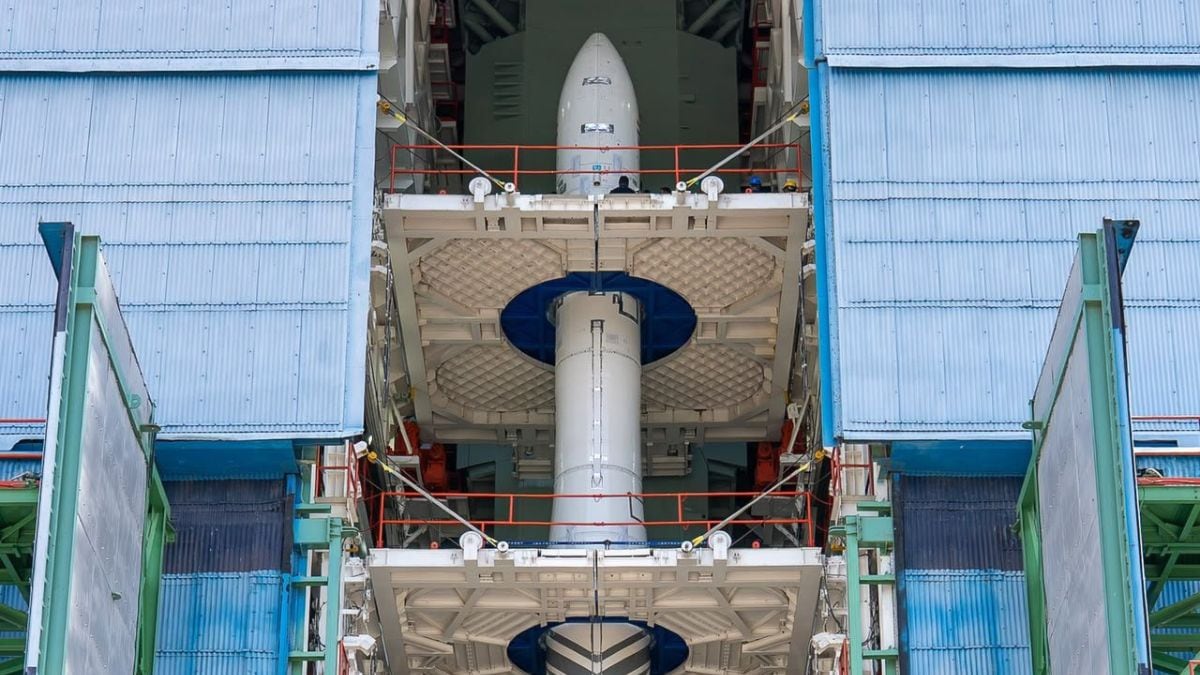
Marking another milestone for India, Skyroot Aerospace has successfully launched Vikram-1, the first privately developed orbital launch vehicle in the country. After the Indian government decided to open up the space sector to private entities in 2020, the rocket is a testament to the growing space startup sector in India.
The launch took place at the Indian Space Research Organisation's (ISRO) launch facility in Sriharikota, Andhra Pradesh, at 12:05 pm on July 18. Skyroot Aerospace, a Hyderabad-based space startup, is India’s first space tech to reach a valuation of $1.1bn and is on its maiden mission with Vikram-1.
The mission is called “Aagaman”, named after a Sanskrit word that means arrival. The 16-minute flight is a step forward in Skyroot’s mission of providing companies with a rocket to place satellites in the orbit or visit a space station. The founders compare it to a “cab service” for satellites.
India is now the third country in the world, after China and the US, with a private company capable of orbital launches if the mission is successful.
The rocket carries special messages from people across the world, along with a “Vande Mataram” card from the Prime Minister Narendra Modi.
The PM extended his best wishes to the startup, calling it a “historic new frontier” for India’s space journey. In a post on X, he added, “This four-stage rocket is designed to provide rapid and on-demand launch services. This mission highlights the talent, determination and entrepreneurial spirit of our youth. It also shows how our space-sector reforms are unlocking new opportunities for innovation and enterprise.”
The origins of the rocket trace back to 2018, when Pawan Kumar Chandana and Naga Bharath Daka, former engineers at the Indian Space Research Organisation (ISRO), left their jobs to start Skyroot, with the vision of building low-cost, on-demand launch vehicles for the growing satellite market.
