



As the US-Iran conflict escalates, raising the possibility of a return to all-out war in the Middle East, a report hints at how Iran could have fooled the US into signing a Memorandum of Understanding (MoU) to buy time so that it could fill its depleted coffers.
According to reports, over the 26 days following the signing of the U.S.-Iran MoU, Tehran shipped over $6 billion in oil products to foreign buyers. The blockage for Iranian oil was lifted on June 18 and reimposed on July 13. In this period, Iran managed to smuggle about 70 million barrels of oil. The blockade, however, closed around Iran before Tehran was able to ship out all of its storage capacity, so around 30 million barrels of Iranian crude oil were unable to embark.
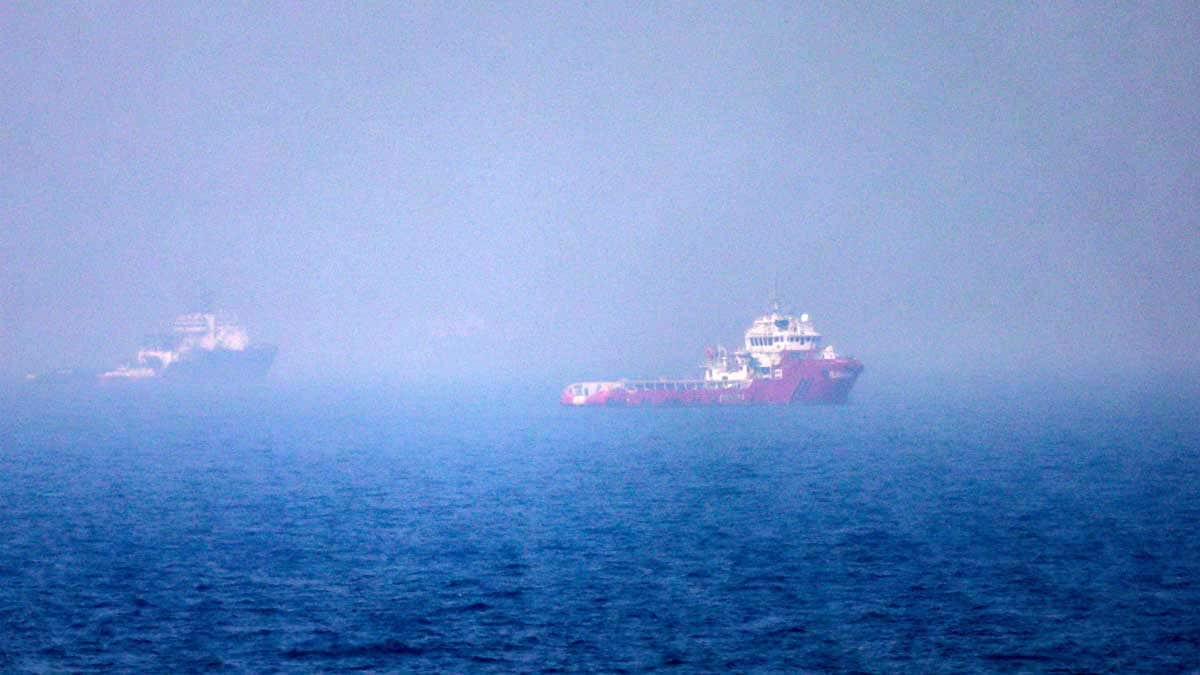
TankerTrackers.com, a tanker-tracking research firm, has data showing that 20 Iranian tankers set sail toward waters near Malaysia in late June soon after the US lifted restrictions on Iranian vessels. The final destination of the oil was China, where independent Chinese refiners—known as "teapots"—take in Iranian barrels due to deep discounts that save them billions of dollars.
Analysts believe the Iranian economy is in its worst state since the 1979 Islamic Revolution, and every dollar counted. Charlie Brown, a Senior Advisor at United Against Nuclear Iran (UANI), believes if the blockade had continued, the pressure would have fully manifested by now. "Once the blockade was lifted, Iran rapidly exported more oil."
Tehran’s negotiations and opening the Strait of Hormuz were to buy this window of time so that it could fill its coffers with billions of dollars. These economic resources were immediately diverted to increased armaments, with the Iranians using ballistic missiles and advanced UAVs to carry out the deadly attack in Jordan, where two US soldiers were killed.
Moreover, the attack on Muwaffaq Salti Air Base in Jordan was carried out using ballistic missiles and high-speed manoeuvring drones, raising concerns in Washington that Tehran is receiving technological assistance from Russia or China. US Central Command confirmed that four personnel were evacuated to hospitals in Jordan and have since been released, while other lightly wounded personnel were returned to duty. In addition, manned and unmanned aerial vehicles were attacked at the base.
According to the Institute for the Study of War, Iran is adapting to US defences by firing high-speed, manoeuvrable missiles at US bases in the region, which highlights the threat that the advancement of Iran’s ballistic missile program poses to US national security interests.
