



Tensions in the Strait of Hormuz have flared up again, with the United States and Iran exchanging military blows in the wake of Iranian drone attacks on commercial vessels. The latest escalation carries serious regional and global implications, exposing once more how fragile the diplomatic efforts to end the conflict really are. It also risks unravelling the June 17 Memorandum of Understanding, the shaky ceasefire that had briefly brought a measure of calm and allowed negotiations to resume. That agreement was meant to wind down hostilities and bring a permanent halt to military operations on every front, including Lebanon. Yet the rapid return to tit-for-tat strikes shows just how easily such arrangements can fall apart when the two sides' strategic interests remain at odds.
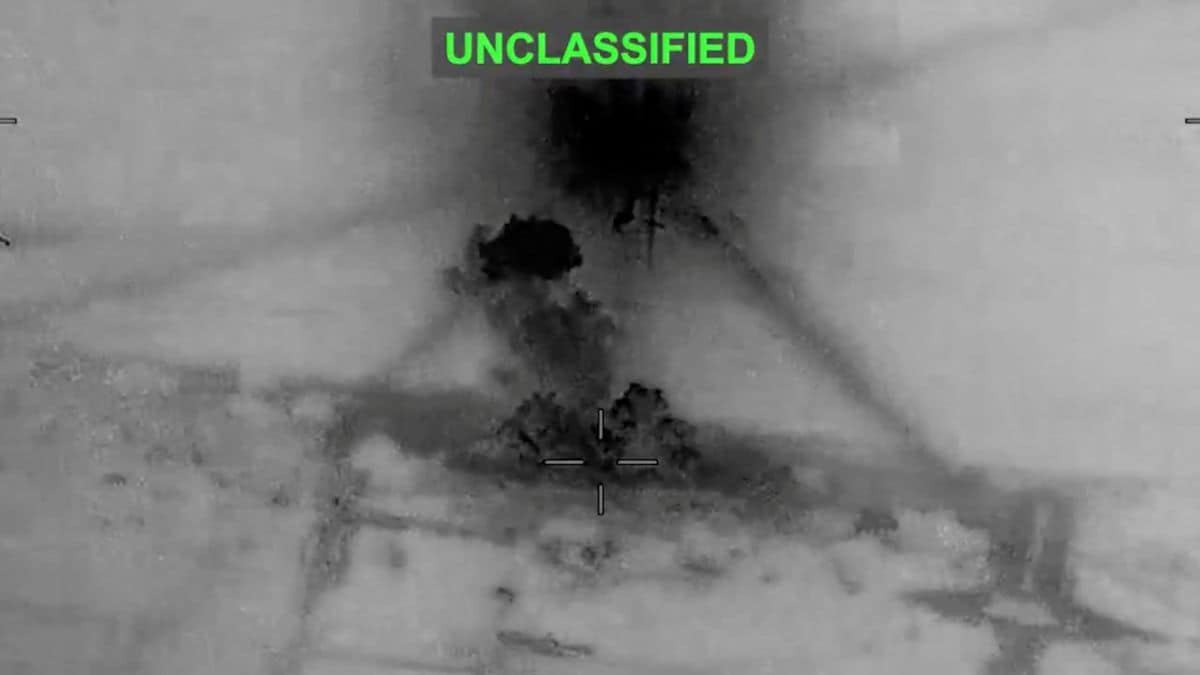
Each side insists it is simply responding to the other's violations, a pattern that risks dragging the wider region into conflict. The United States has launched several waves of air strikes against Iranian surveillance systems, air defence sites, communications networks, and drone and missile storage facilities. Iran's Islamic Revolutionary Guard Corps (IRGC) has, in turn, widened the conflict's geographical reach by firing ballistic missiles and attack drones at American military bases in Kuwait and Bahrain. The IRGC has warned that US forces will "experience hell" and has promised a "crushing response" to any further attacks, insisting that control of the Strait of Hormuz will never revert to its pre-war arrangement. Trump, meanwhile, has once again threatened to wipe Iran off the map.
The economic stakes are just as significant, given the strait's central role in global energy supplies. After US and Israeli strikes on Iran in late February, Tehran effectively shut the waterway, sending global oil prices sharply higher and piling domestic and international pressure on the US administration. The June 17 agreement had tried to defuse those tensions by guaranteeing 60 days of safe, toll-free passage for commercial shipping. The renewed drone attacks on vessels such as the M/V Ever Lovely and the M/T Kiku have once again thrown that arrangement into doubt. Maritime security monitors have raised the threat level in the strait to "substantial," and if commercial shipping starts avoiding the route altogether, the resulting disruption could send energy prices climbing again and destabilise the wider global economy.
At the heart of the diplomatic standoff lies a fundamental disagreement over sovereignty and maritime law, particularly conflicting interpretations of Article Five of the ceasefire agreement. The US says all commercial ships are allowed to cross the strait by sailing close to the Omani coast, avoiding Iranian waters and without coordinating with Tehran. Iran, however, views control of the Strait of Hormuz as one of its most vital strategic deterrents and treats the issue as non-negotiable. Iranian officials argue that the memorandum obliges every vessel passing through the strait, even those sailing through Omani waters, to coordinate fully with Iranian authorities, since uncoordinated ships could in theory be carrying military supplies. For Tehran, this touches on a core question of national sovereignty, and analysts believe Iran may be willing to let the whole agreement collapse rather than give up what it sees as its authority over the so-called "Omani Channel."
This latest escalation also has real domestic political consequences in the United States, where it has reignited the long-running debate over presidential war powers. The strikes have sharpened tensions between the White House and Congress. President Donald Trump has struck an increasingly bellicose tone, warning that unless Iran changes course, the United States will militarily "complete the job" and ensure that the "Islamic Republic of Iran will no longer exist!" Congressional Democrats have hit back hard at the administration, arguing that the strikes went ahead without the approval required under a recently passed War Powers Resolution. Representative Ro Khanna and other lawmakers contend that the administration has overstepped its constitutional authority by authorising further military action without congressional consent.
Clearly, the existing MoU is unlikely to create an environment conducive to lasting peace. Unless Washington and Tehran can find a way to bridge their fundamentally opposing views on maritime sovereignty and freedom of navigation, the prospects of restoring the pre-war order will remain distant. And the global economy will continue to face the constant risk that renewed fighting in one of the world's most strategically vital energy corridors could spiral into a far wider conflict.
