



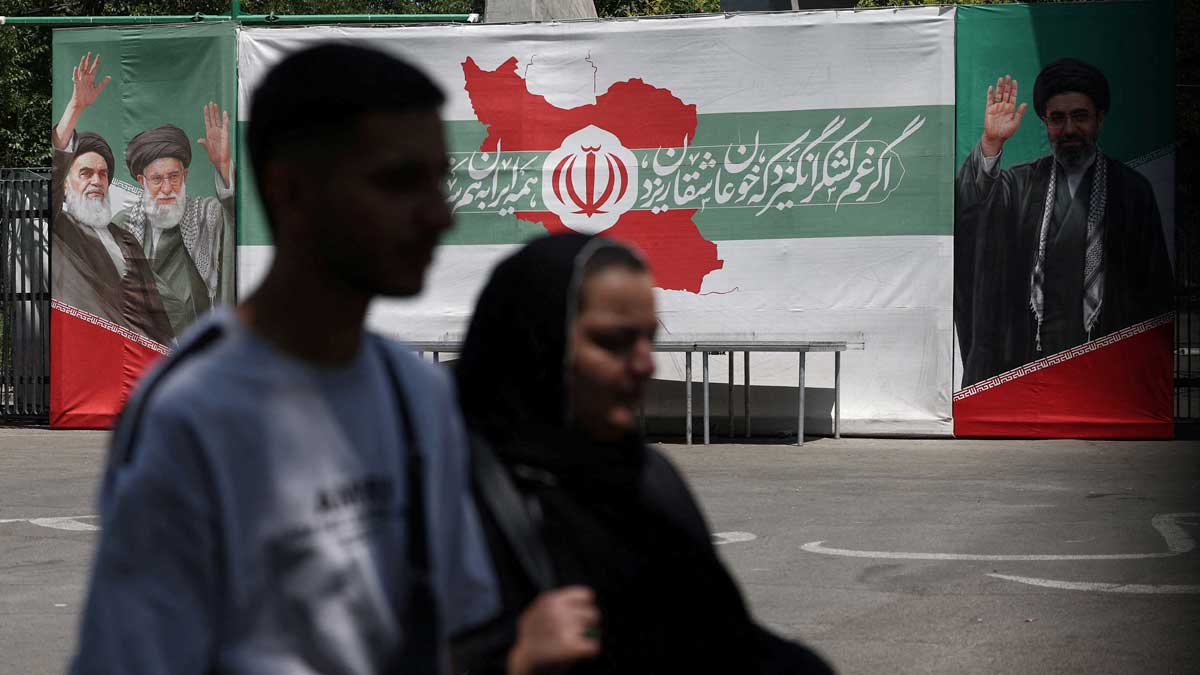
After clinching a last-minute ceasefire between Israel and Hezbollah, the Trump administration is trying its best to salvage the talks with Iran. Trump’s envoys Steve Witkoff and Jared Kushner are scheduled to travel to Switzerland in an effort to revive negotiations that were nearly derailed by a sudden escalation in Lebanon. The White House says Vice President J.D. Vance, who cancelled a planned visit to the Swiss resort of Bürgenstock, remains prepared to join the negotiations once conditions allow and formal agreements are ready to be concluded.
The latest crisis began when Hezbollah fighters ambushed an Israeli military unit in southern Lebanon, destroying several tanks with guided missiles and killing four Israeli soldiers, including a battalion commander. Hezbollah said the attack was a response to the continuing presence of Israeli forces on Lebanese territory. Israeli Prime Minister Benjamin Netanyahu condemned the assault as a blatant violation of previous understandings and ordered the military to respond forcefully.
Israel subsequently launched more than 150 air strikes across southern and eastern Lebanon, with the Nabatieh district among the hardest-hit areas. Lebanese authorities reported that at least 47 people were killed and 97 wounded. The scale of the bombardment prompted Iranian negotiators to withdraw from the scheduled talks in Switzerland, arguing that the Israeli attacks undermined the wider diplomatic effort. Fears quickly grew that the tentative US-Iran agreement would collapse before negotiations on a long-term settlement could even begin.
A frantic diplomatic effort followed. According to US officials, Trump personally intervened, urging Israel to accept a ceasefire. With mediation from Qatar and the United States, a renewed truce was eventually secured and, for now, appears to be holding.
Lebanon, clearly, has emerged as the most critical factor in resolving the Iran crisis. Under the terms of the Iran-US MoU, Lebanon’s sovereignty will be respected and there will be an immediate ceasefire on the Lebanese front. Iran has made it clear that any final settlement will be contingent upon complete Israeli withdrawal from Lebanese territory. However, both Lebanon and Israel are not parties to the deal, raising doubts about whether the commitments can be sustained. Israel's ambassador to Washington, Yechiel Leiter, has maintained that Israeli troops will remain in the security zone established in southern Lebanon until Hezbollah's military infrastructure is dismantled and the threat to northern Israeli communities is eliminated. Hezbollah, too, has vowed to continue the fight if Israel stays put in Lebanese territory.
Domestic political pressures further complicate the situation. Netanyahu faces demands from hard-line members of his coalition to continue military operations. National Security Minister Itamar Ben Gvir responded to the deaths of the Israeli soldiers by declaring that "Lebanon must burn". On the other side, Hezbollah secretary-general Sheikh Naim Qassem has pledged to continue resisting Israeli forces until they leave Lebanese territory.
These competing objectives have widened an increasingly visible rift between the Trump administration and the Israeli government. Trump has expressed frustration with Netanyahu in recent weeks, accusing Israel of using excessive force, causing unnecessary civilian casualties and risking the success of what he views as a potentially historic agreement with Iran.
At the same time, the US president has sought to avoid a complete breakdown in relations. Yesterday, he called Netanyahu a "warrior prime minister" and credited him with weakening Iran's regional influence. Vance has likewise defended the US-Israel partnership, arguing that Trump remains Israel's strongest ally internationally while also warning Israeli leaders not to jeopardise a peace process that Washington believes could benefit the entire region. Meanwhile, Washington is pursuing a parallel diplomatic track. The State Department has announced a new round of direct talks between Israel and the Lebanese government in Washington next week.
If negotiations in Switzerland can be revived, diplomats hope they will launch a 60-day process aimed at reaching a comprehensive settlement. Such an agreement would seek to place limits on Iran's nuclear programme while offering substantial economic incentives, including the lifting of Western sanctions that have severely damaged Iran's economy. There have already been tentative signs of de-escalation. The United States has lifted its naval blockade of Iranian ports, allowing commercial shipping to gradually resume movement through the strategically vital Strait of Hormuz.
