


 Add as a preferred source on Google

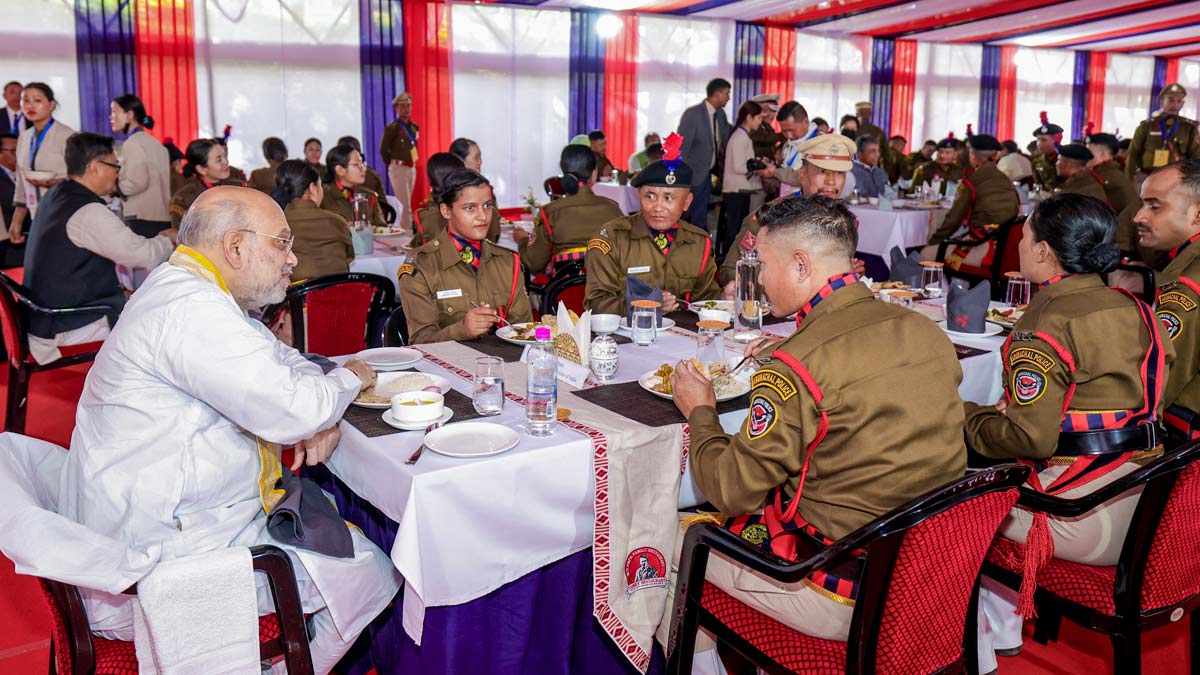
Migration has stopped and the population has increased in 40 Indian villages along the China border following the Centre's initiatives to provide employment, electricity and healthcare facilities, Union Home Minister Amit Shah said on Sunday.
Shah also said that the bond between villagers and security forces in Arunachal Pradesh had strengthened after the Ministry of Home Affairs directed the Indo-Tibetan Border Police (ITBP) and the Army to procure agricultural and other local produce from border villages.
He was addressing a cooperative conference in Itanagar, the state capital.
"I am pleased that people have begun returning to all 40 villages (bordering China), the population there has increased, and migration has stopped. Electricity, employment, and health facilities have been discussed. Water has also been delivered to the hilltops," Shah said.
The Home Minister said the Centre had directed the ITBP and the Army to source essential supplies from local villages and cooperatives rather than procuring them from distant cities such as Tezpur and Guwahati.
"Women in Arunachal Pradesh are supplying dairy products, eggs, vegetables, millets and flour through their cooperatives, bringing prosperity to rural households and transforming local agriculture and strengthening the relationship between villages and the army," he said.
Shah urged cooperative institutions and women's self-help groups to work towards making Arunachal Pradesh self-reliant in essential food products. He also identified employment, education, healthcare and the prosperity of every family as the four key priorities for the state's development.
During the visit, Shah launched 199 development projects worth Rs 110.95 crore under the Vibrant Villages Programme across 11 border districts of Arunachal Pradesh.
He also unveiled the Arunachal Pradesh Cooperative Vision 2047, a long-term roadmap aimed at strengthening the cooperative sector and promoting economic development in the state.
