



That’s the moment it happened. Not a bomb, not a coup, nothing dramatic enough to make the front page: just a 59-year-old man being pulled off the ground by police officers while he was too weak to stand on his own.
20 days without food. 20 days of waiting for someone in power to simply listen. And the answer he got was hands under his arms, dragging him away from the only place he had left to be heard.
No amount of white cloth can hide democratic failures.
Somewhere right now, a mother is folding clothes into a hostel trunk for a child who will never leave for college. She’s not packing for move-in day—she’s picking out what her son or daughter will be buried in. That is the real cost behind the words “NEET paper leak”: not a scandal, not a headline, but a child.
A teenager who studied until 2 AM for months, who promised their parents they would make them proud; who trusted that the system meant to test their knowledge wasn’t already rigged against them before they picked up the pen.
And when that trust broke, some of them didn’t know how to carry the weight of it. That is what we are actually talking about when we talk about accountability. Not politics, but grief.
And what did the people meant to protect these children do? They rearranged the furniture and called it justice. A re-exam here, a court filing there, a custody hearing for an accused nobody outside the case will ever hear about again. Not one resignation. Not one minister standing in front of a camera to say, 'I failed you, and I’m sorry'. Just silence, dressed up in bureaucracy, hoping the news cycle moves on before the grief does.
It hasn’t. Sonam Wangchuk didn’t stop eating because he had nothing better to do. He starved himself for 20 days because he had run out of every other way to make his own government feel something. When his body finally started failing, and when the only thing left to do was carry him away, that’s exactly what they did—dragged him away, as if the problem was his stubborn, dying body, and not the two million futures still waiting for an answer.
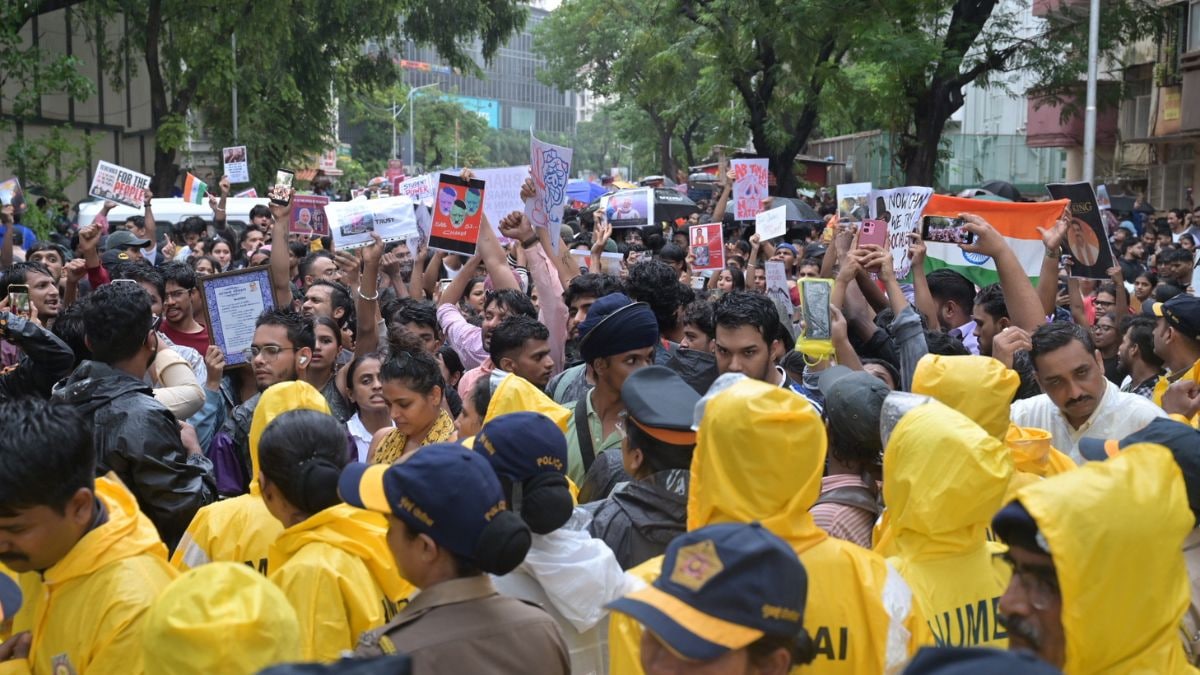
Ask yourself when you last saw this on the news. Not a shouting match dressed up as a debate, but actual coverage of the largest protest happening in this country right now, at Jantar Mantar day after day, while channels find room for everything except this.
A press that goes silent in front of the biggest story of the year isn’t neutral. It’s a press that has already decided whose pain is worth your attention and whose isn’t. And somehow, wanting any of this to matter has become dangerous to say out loud.
Ask for a functioning exam system and you’re “anti-national”. Ask for a hospitalised old man to be treated like a human being and you’re “left-wing propaganda”.
When did caring about a dead teenager become an insult to your country? If loving India means staying quiet while it fails its own children, then that was never love to begin with—it was fear wearing love’s clothes. This was never about hating anyone. It was never about religion, or caste, or which party you voted for last time. It’s about a simple, unbearable question: why does suffering only count when it comes with the right name attached?
A government that claims to speak for 1.4 billion people does not get to decide that some of those 1.4 billion are worth mourning and others aren’t. So here is the part nobody in power wants to hear: the youth of this country have been watching. Every dodge, every non-answer, every parent left without an apology. We’ve seen it all, in real time, and we have not forgotten a single one of them. We have been patient because we were taught that patience is what good citizens do.
But patience does not last forever when it is repaid with stretchers and silence. You will not see it coming. You will only feel it once it’s already here, and by then there will be no van, no hospital transfer, no white cloth big enough to cover it.
A man should not have to starve himself in the street for his own government to notice that it failed its children. He did. His body is giving up doing it. And if that doesn’t move you, or if a mother packing a coffin instead of a college trunk doesn’t move you, then honestly ask yourself what it would actually take.
The author is a BA LLB (Hons) student at MLS, Manipal University, Bengaluru.
The opinions expressed in this article are those of the author and do not purport to reflect the opinions or views of THE WEEK.
