


 Add as a preferred source on Google

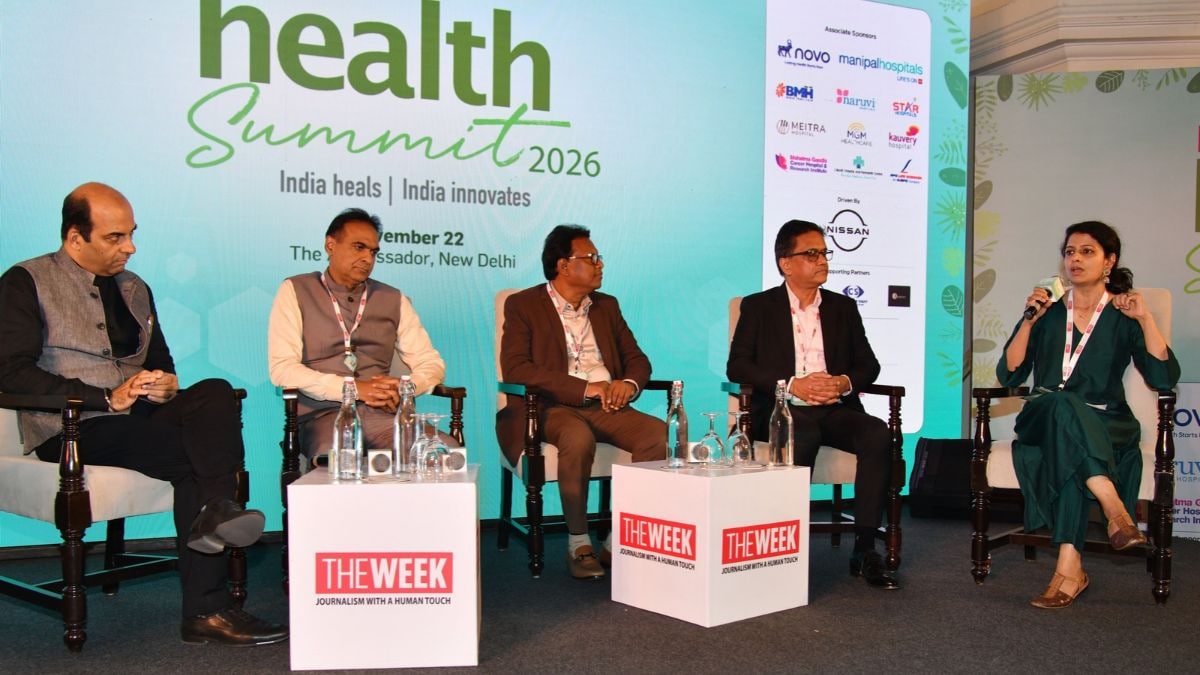
Leading oncologists attending THE WEEK Health Summit 2026 in New Delhi examined the alarming rise of early-onset cancer in India during a panel discussion titled Cancer in Young Indians. They highlighted the complex interplay of genetic predisposition, environmental hazards and changing lifestyles, as well as the distinctive clinical and psychosocial challenges confronting younger patients.
The discussion, moderated by Susamma Joy Kurian, Deputy News Editor at THE WEEK, underscored the growing burden of cancer among young Indians.
According to Dr Ajay Gogia, Senior Oncologist at AIIMS, Delhi, young adults now account for 40-45 per cent of approximately 15 lakh cancer cases, with breast cancer emerging as the most common diagnosis and its incidence doubling over the past few years.
Dr Ankur Bahl, Principal Director and Head of Oncology at Fortis Gurgaon, said clinicians were increasingly treating patients in their 30s, decades before they become eligible for routine screening under standard guidelines.
He stressed that early-onset cancer has multiple causes. While severe air pollution in cities such as Delhi contributes significantly to lung and other cancers, younger patients have not necessarily had prolonged exposure to account for the trend.
This makes genetic predisposition and genomic factors important areas of investigation. Dr Murali Krishna Voonna, MD and Chief Surgical Oncologist at Mahatma Gandhi Cancer Hospital and Research Institute, Visakhapatnam, added that along with greater awareness and screening, modifiable lifestyle factors such as tobacco and alcohol consumption, obesity, physical inactivity and poor nutrition were contributing to the rising incidence, particularly among women and younger people.
One of the biggest clinical challenges is that cancer is rarely suspected in younger patients until the disease has advanced. Dr Ankit Jain of Apollo Hospital pointed out that many young patients arrive at hospitals with Stage 3 or Stage 4 cancer, significantly reducing their chances of successful treatment.
Dr Bahl contrasted this with older adults, who are more likely to undergo routine screening and have malignancies considered during the investigation of symptoms, increasing the chances of early detection.
Dr Voonna illustrated the dangers of this diagnostic blind spot through colorectal cancer. Since neither patients nor doctors initially suspect malignancy in younger individuals, early symptoms are often dismissed as piles (haemorrhoids). Some patients consequently turn to alternative treatments, losing valuable time before receiving an accurate diagnosis.
Addressing these risks requires sustained attention to preventive health. Dr Jain advocated reducing the consumption of processed foods, red meat and sugary products, while adopting a diet rich in antioxidants. He also emphasised avoiding tobacco and alcohol and getting at least 30 minutes of physical activity every day. Other important, but often overlooked, aspects of prevention include maintaining a healthy gut microbiome, ensuring adequate sleep and taking recommended preventive vaccinations, including those against hepatitis.
Despite the rising incidence, advances in cancer treatment are steadily improving outcomes. Dr Bahl noted that clinicians were increasingly seeing young patients survive cancer, while Dr Gogia highlighted how modern diagnostic technologies, genetic profiling, immunotherapy and targeted treatments such as tyrosine kinase inhibitors (TKIs) had transformed oncology care.
However, treating younger Indians requires an approach that extends beyond medical intervention. Dr Jain called for multidisciplinary care incorporating nutritional guidance and occupational therapy.
A cancer diagnosis can disrupt education, careers and financial stability, particularly for young patients without health insurance. Dr Bahl therefore emphasised the importance of sensitive communication when breaking the news and addressing the anxiety that follows.
Echoing the need for comprehensive support, Dr Gogia stressed that young patients require dedicated psychosocial care to help them navigate life-changing concerns, including fertility, employment and marriage.
