



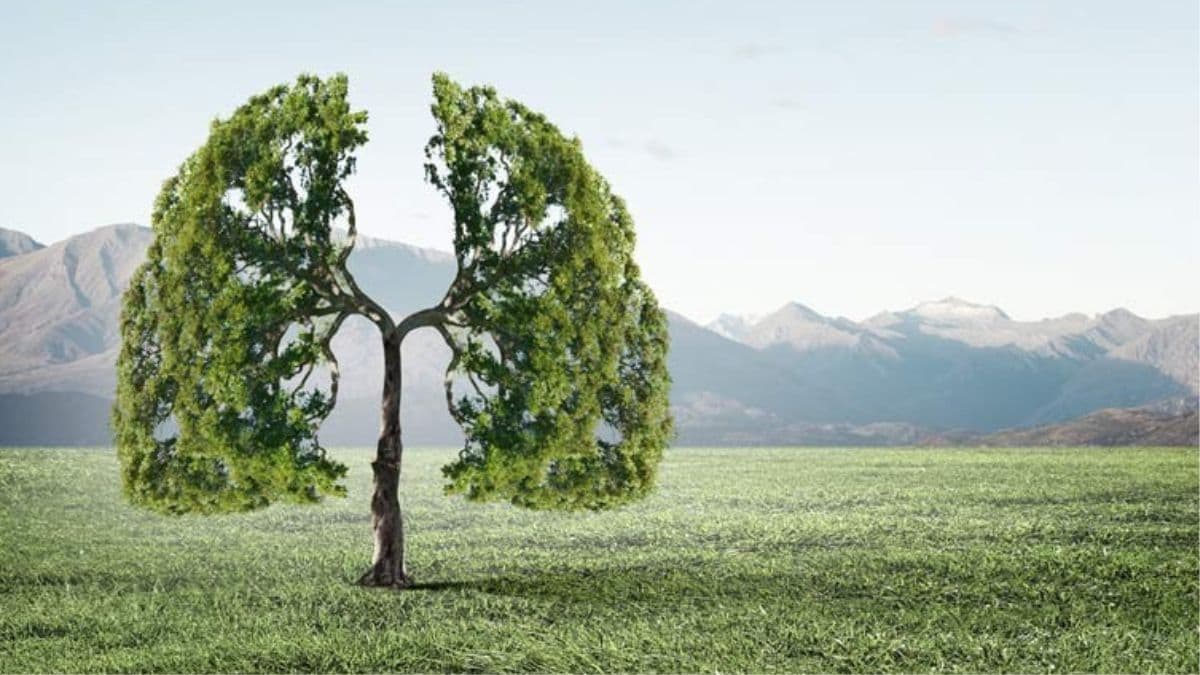
Exercise does much more than strengthen our muscles; it also helps the body use oxygen more efficiently. During exercise, our breathing and heart rate increase to meet the muscles’ increased demand for oxygen. With regular physical activity, the heart, lungs and muscles gradually become more efficient, which can improve exercise tolerance and make everyday activities feel less tiring or breathless. However, it is important to understand that exercise does not literally “increase the size” of healthy lungs or repair structural damage that has already occurred. Its main benefit is helping the lungs, heart and muscles work together more efficiently.
For most adults, a combination of aerobic exercise and strength training can be beneficial. Activities such as brisk walking, cycling, swimming and jogging can help build cardiovascular and respiratory endurance, while strength training helps maintain the muscles needed for movement and breathing. Even simple activities such as walking more during the day, using the stairs or gardening can help people stay physically active.
For people living with asthma, COPD, pulmonary fibrosis or other chronic respiratory conditions, breathlessness should not necessarily mean avoiding exercise altogether. When planned appropriately, regular physical activity and pulmonary rehabilitation can improve exercise capacity, make daily activities easier to manage and improve overall quality of life. Pulmonary rehabilitation combines supervised exercise, education and individualised guidance, and can be particularly helpful for people who experience significant breathlessness during physical activity.
At the same time, exercising more is not always better. People with an underlying lung condition should follow an exercise plan that is appropriate for their health and fitness levels, particularly if they experience significant breathlessness, wheezing, chest discomfort, dizziness or a fall in oxygen levels while exercising. The environment in which we exercise also matters. Exercising outdoors when air pollution levels are high can expose the lungs to additional irritants, making indoor exercise a better option on days when air quality is poor.
Ultimately, keeping the lungs healthy requires both protection and regular movement. Avoiding tobacco smoke and other pollutants, staying physically active, maintaining a healthy weight and seeking medical advice for persistent or unexplained respiratory symptoms are all important for protecting lung health over the long term.
Dr Vikas Mittal, Director - Pulmonologist, CK Birla Hospital®, Delhi.
The opinions expressed in this article are those of the author and do not purport to reflect the opinions or views of THE WEEK.
