



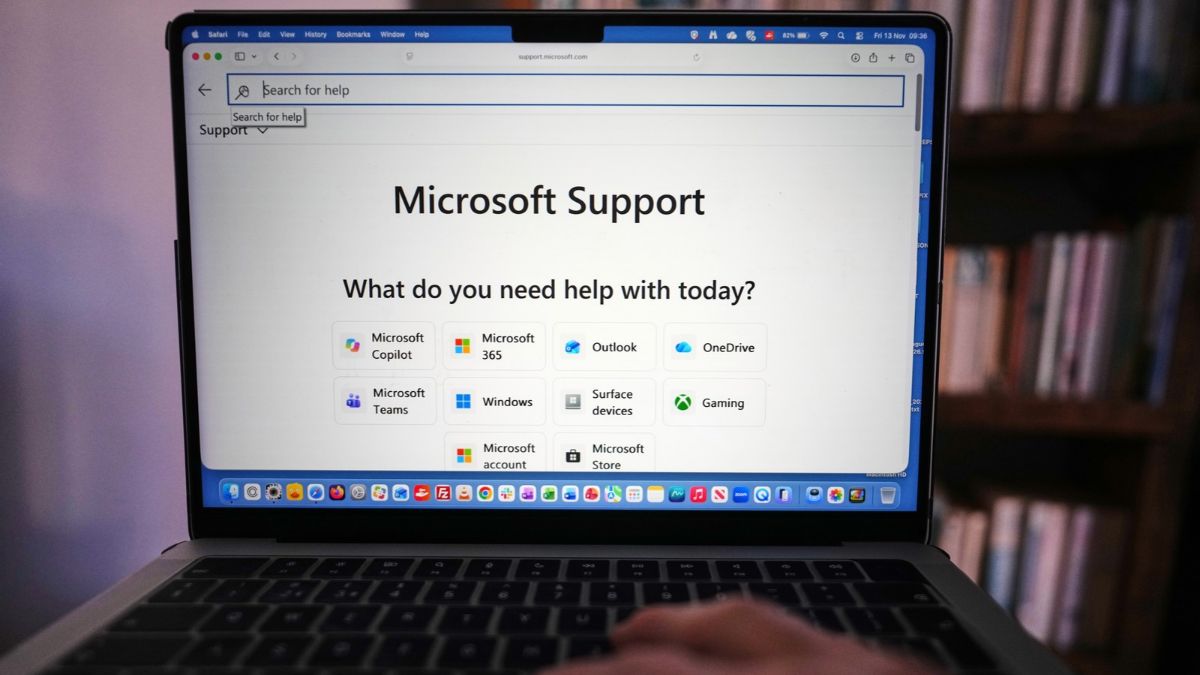
Police forces, hospitals and schools in the UK reported being hit by the global Microsoft outage as the company is still struggling to get their key services like Outlook and Teams back online.
UK National Health Service sources said that the healthcare system was experiencing “widespread” and “serious” disruptions. Staff reported being unable to access email and IT systems they use to deliver healthcare, The Guardian reported. The outage has stopped 999 and 111 calls from referring patient details, creating a backlog.
A warning was sent to patients getting prescriptions as there could be delays. Schools and universities were also unable to access emails, and reports said that ambulance services were affected.
Hospitals have reportedly cancelled some appointments, such as C-sections, because the NHS calendar was linked to diaries using the Microsoft system, according to the BBC. Some have now resorted to using pen and paper as business continues. The outage affected each hospital differently based on their systems.
An NHS spokesperson said, “With the global Microsoft issue inevitably having a disruptive impact for staff, local NHS services are enacting long-standing measures to manage IT outages and ensure critical services and appointments can continue for patients today - including using other IT systems or paper records where possible."
Police officials meanwhile urged people to call 101 or 999 for emergencies rather than report crimes online. The Metropolitan Police in London said that they were not receiving reports through their websites.
There were also issues reported in the Parliament, with MP’s asking their constituents to call their MP rather than email them.
Microsoft has clarified that the outage was not caused by malicious cyber attacks.
Analysts said that the outage showed how much organisations were dependent on the software by the tech giants. Joseph Jarnecki of the Royal United Services Institute said, "If your organisation has become dependent or concentrated their dependency, particularly for critical services on just one of those, that is potentially a risk for your enterprise."
The disruptions began on Thursday. Microsoft said that the issue was caused by a higher-than-usual stress on its server. They said that their systems were now showing “early signs of stabilisation" as work continued on a fix.
