



Holidays typically feature festive foods, sugary treats, fried meals, sugary drinks, partying all night long, and routine disruptions in our day-to-day life. However, these temporary unhealthy habits might bring health challenges, especially when combined with lower physical activity levels, poor sleep, and excess intake of alcohol.
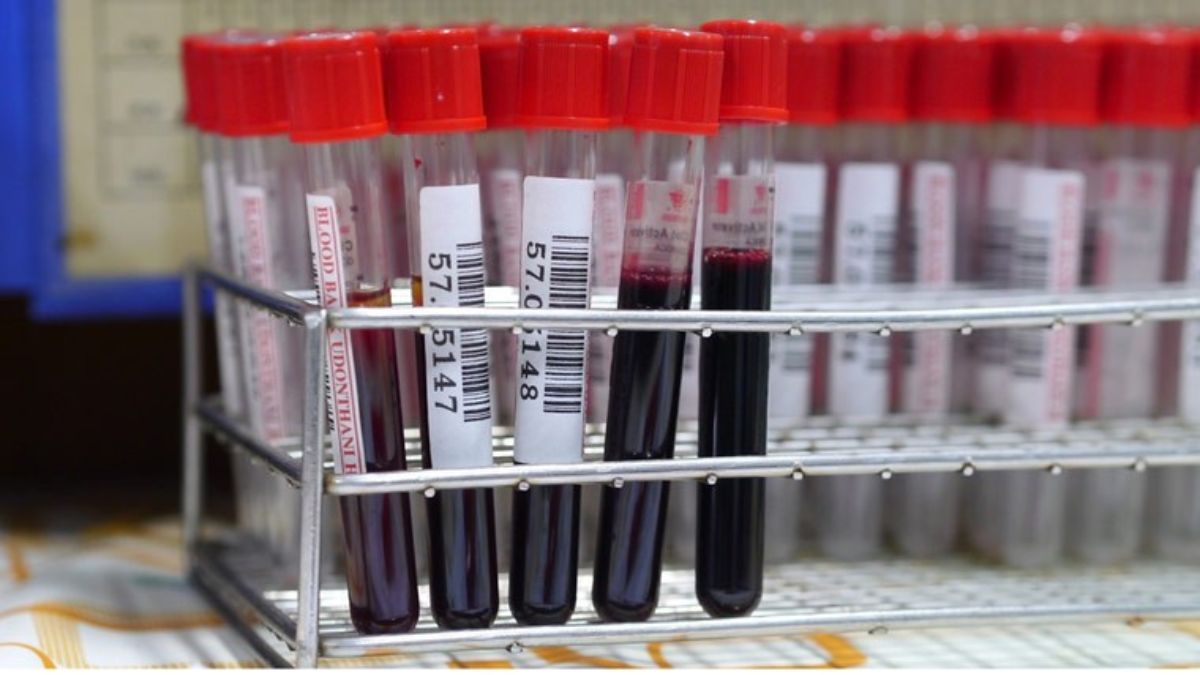
The impact of firecracker blasts during Deepawali celebrations contributes significantly to the worsening of breathing and heart problems due to enormous increase in pollution and the quality of air. With the holiday season over, it is a perfect moment to check all the health signs and see what is happening in the body. Regular blood tests are an excellent way to monitor our metabolic health and recognise possible health problems.
1. Blood sugar and HbA1c levels: Can sugar consumption affect them?
Constant use of sweet foods, desserts, and drinks can cause variations in blood glucose levels, especially in people with existing insulin resistance or diabetes. A test of fasting blood glucose can reflect the level of blood sugar at a certain time, whereas an HbA1c test is indicative of average blood glucose levels for the last 2-3 months. The tests would assist in the diagnosis of prediabetes or diabetes and understanding how well blood sugar is controlled.
2. Lipid profile: What has occurred to cholesterol levels?
An intake high in fried foods, saturated fats, processed foods, and calorie-rich meals can negatively impact lipid levels. A lipid profile measures total cholesterol, LDL (bad cholesterol), HDL (good cholesterol), and triglycerides. Increased triglycerides and LDL cholesterol may contribute to increased cardiovascular risks later on. Tracking these factors is key to stating cardiovascular risks and if some changes in diet or lifestyle are needed.
3. Liver Function Test: Is the liver under strain?
Alcohol abuse, overeating, and poor nutrition can lead to metabolic strain on the liver. Liver function tests (LFTs) assess liver health by measuring levels of key metabolites such as alanine aminotransferase (ALT), aspartate aminotransferase (AST), bilirubin, and alkaline phosphatase. Continue to monitor the liver condition even in the event of abnormal test results, as they could indicate liver inflammation or other diseases that require further investigation.
4. What do kidney function & complete blood count reveal?
A Kidney Function test and a complete blood count provide a comprehensive picture of the functioning of the body. The kidney health of people with existing risk factors can be affected due to changes in their hydration practices, excessive salt intake, and uncontrolled blood sugar levels. In order to gauge the efficiency of the kidneys to filter waste from the body, the tests for kidney function that are done regularly are serum creatinine and estimated glomerular filtration rate eGFR. A urine albumin test is also done to check for any early signs of kidney damage. A Complete blood count CBC is a test done to assess the haemoglobin levels, red blood cells, white blood cells, and platelets in the body.
6. Allergy profile and Ig E blood levels: Pollution exposure?
This is a type of specialised test known as an allergy profile, which essentially helps to find the root cause of acute respiratory complications or aggravation of respiratory issues in the elderly and younger individuals with a history of respiratory conditions, including asthma. The test gives us information about the particular pollutant that is responsible for causing the allergy, while the concept of Ig E refers to the intensity of the allergic reaction.
Health check-ups after festivals should not serve as a way to cancel out all those indulgences; instead, they should be a means to gauge one's present health status. The selection of blood tests should depend on various factors such as age, medical history, existing health problems, and personal susceptibility instead of applying every test on request. In addition to screening, eating wisely, drinking sufficient water, exercising on a regular basis, and sleeping properly will help get back to a normal mode. Ultimately, abnormal test results should be properly evaluated by a doctor since one reading does not mean the presence of a disease.
