



Parents walk into our clinic convinced the problem is chips, cold drinks, the odd samosa after school. Fair enough, those matter. But half the time — more than half, honestly — the real culprit is sitting quietly in their own kitchen, and nobody's pointing a finger at the tadka.
The "healthy" drinks
A glass of milk with a spoon of sugar, sometimes two, served twice a day. Nobody counts it, because milk is "good for the child," so how bad can it be? I've had parents insist their child eats very simply while that same child has sweetened milk at breakfast, again at bedtime, with a health drink powder stirred in.
Fruit juice gets the same free pass — at least it's not a cold drink, they'll say — except a glass can carry the sugar of three or four oranges with none of the fibre that would've slowed it down. Cutting the sugar gradually works better than cutting it overnight; the palate adjusts faster than most parents expect, and swapping juice for actual fruit- a banana, a bowl of chikoo- does more and costs less anyway.
Fat that's gone invisible
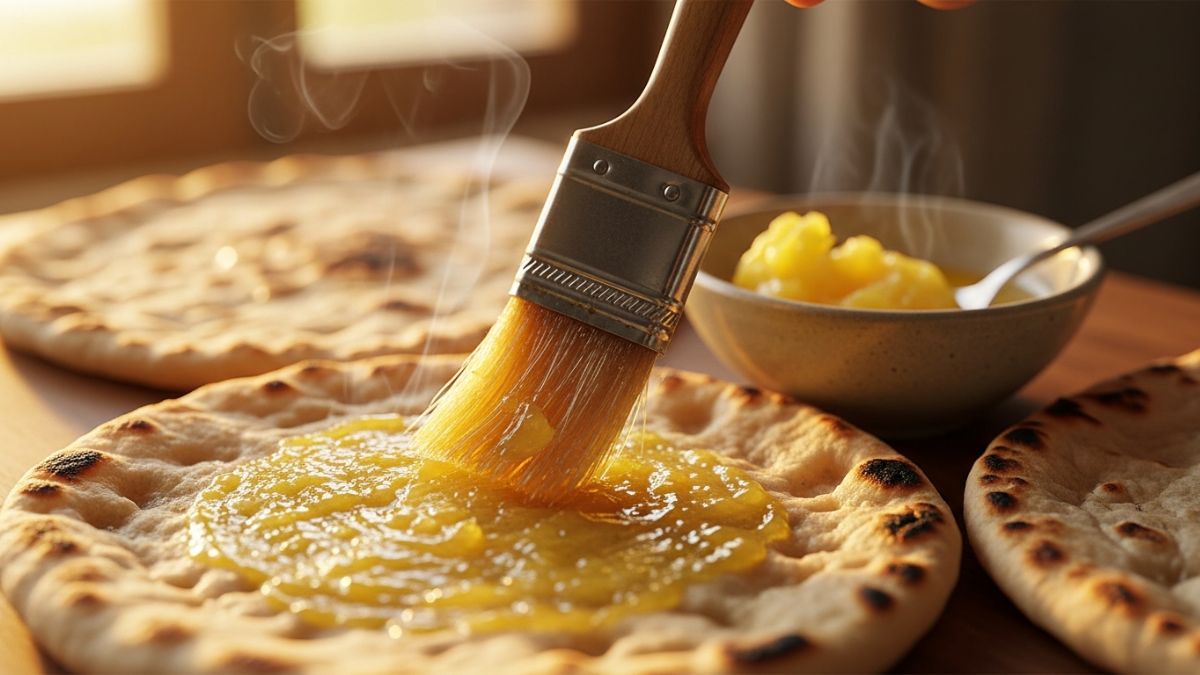
The tadka on dal. The extra ghee on rice. A paratha brushed with oil on both sides, sometimes three times if it's a Sunday. None of this reads as indulgence in an Indian kitchen — it reads as normal cooking, just how food is made. Three tablespoons scattered across a day's meals add up to real calories a child's body doesn't need, especially one that isn't running around outside the way children used to. I don't tell parents to cut oil out. I ask them to measure it once, spoon by spoon instead of pouring straight from the bottle, and most are genuinely startled at what that adds up to over a week.
The roti-count yardstick
I've had parents tell me, quite seriously, that their child "hasn't really eaten" unless he's finished three rotis or a full bowl of rice, even on a day he's clearly not that hungry. The number of chapatis, the size of the rice mound — that's still the benchmark a lot of homes use to decide whether a meal counted. Not how full the child says he is. So the count gets pushed, gently but consistently, meal after meal, and it adds up to more staple than his frame actually needs. Drop the number as the goalpost. Look at the plate instead — is there dal, a vegetable, some protein alongside the rice — and let appetite decide when a meal's done, not a count somebody decided was proper a generation ago.
The condiment culture
Ketchup and ready sauces have become the default answer to a fussy child, and sugar's usually sitting right there as the second ingredient, just after tomato. Mayo-based dips aren't far behind either, especially now that sandwiches and wraps have taken over as the go-to school lunch. Ten minutes with tomato and onion on the stove and you've got a chutney that does the same job, syrup and all the rest of it left out. Most people just don't bother, not because it's hard, but because ketchup's already sitting in the fridge.
The second helping nobody tracks
This one isn't about ingredients at all. It's about the second serving. A child's plate gets refilled almost on reflex in a lot of homes — finishing what's on it gets treated as an open invitation for more, whether the child actually wanted more or not. Serve a smaller first portion. Let the child ask again, and only if they're actually still hungry — not because the plate's empty and refilling it felt automatic. I've watched this one habit, on its own, do more for a child's weight over a year than half the diet changes parents come in asking about.
None of this means cooking oil-free, joyless food, or turning every meal into a calorie count. It just means noticing what's crept into the kitchen out of habit — and asking, every so often, whether it's still earning its place on the plate.
The author is a metabolic health coach and co-founder of The Good Weight.
The opinions expressed in this article are those of the author and do not purport to reflect the opinions or views of THE WEEK.
