



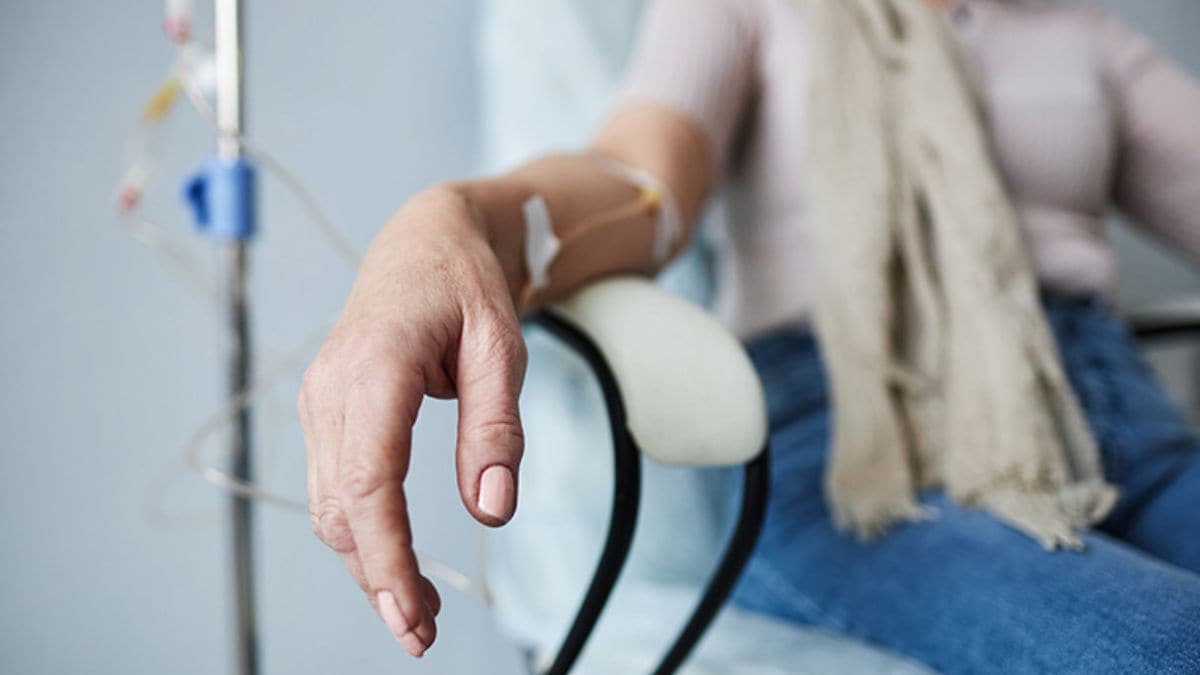
The term "bone tumour" can be frightening; however, not all bone tumours are cancerous. In fact, most tumours found in the bone are benign (non-cancerous) and do not spread to other parts of the body. Only a few tumours that are malignant (cancerous) depend on their size, their position in the mouth, and whether they are causing any symptoms.
Benign vs malignant bone tumours:
Benign tumours are made up of tumours such as osteochondroma, giant cell tumours of bone, enchondromas, and non-ossifying fibromas. Most of them grow slowly and remain inside the bone tissue. Many of them can only be detected when imaging is being performed for another reason or incidentally and may never need any treatment at all. As to malignant bone tumours, names of which include osteosarcoma, Ewing's sarcoma, and chondrosarcoma, they can grow out of the bone into surrounding soft tissue and, if untreated, may eventually spread to such organs as the lungs.
Can benign tumours turn into cancer?
Most of the non-cancerous bone tumours are not known to turn malignant, but some rare kinds of tumours may carry a slight risk of developing into cancer over time. The risk factors depend on the type and genetic structure of the tumour and on whether the tumour continues to grow or produce symptoms. For instance, while a single osteochondroma rarely turns to cancer, patients having hereditary multiple osteochondromas are at a greater, but still small, risk of having a malignant tumour at some stage of their life. Hence, careful monitoring is recommended for some patients.
Warning signs that require evaluation:
Although the majority of bone neoplasms are benign, the following signs must be taken seriously:
- Persistent or increasing bone ache
- Growth of swelling or lump
- Pain at night-time
- Weakness of the affected limb
- Fractures with no apparent reason
- Sizeable increase in an existing lump
These signs do not necessarily indicate cancer but should be assessed by a specialist.
How are bone tumours diagnosed?
Physical examination by the doctor is usually the first step, followed by imaging, such as an X-ray. MRI and CT scan results indicate the tumour details, such as its size, location, and proximity to surrounding tissues. Blood investigations can assess health and rule out other problems, but they cannot confirm cancer. If the images show something concerning, a biopsy will prove if the tumour is benign or malignant. The biopsy remains the sole method for determining the diagnosis.
The importance of timely evaluation:
The presence of a bone tumour is not equivalent to a diagnosis of cancer. The majority of bone tumours are benign and may be treated through surgery or monitored. Nevertheless, individuals with continuous symptoms or imaging that raises suspicion should not delay in seeking a second opinion from an orthopaedic oncologist or cancer specialist who can make the right diagnosis and start treatment if it is necessary. In such cases, instead of worrying about the possible serious implications, people should concentrate on acquiring an accurate diagnosis that is possible due to modern technology in imaging and pathology, as well as improvement in treatment for both malignant and benign bone tumours.
The author is a lead consultant - Pediatric Oncology, Haematology, and Bone Marrow Transplant at Madhukar Rainbow Children's Hospital.
The opinions expressed in this article are those of the author and do not purport to reflect the opinions or views of THE WEEK.
