



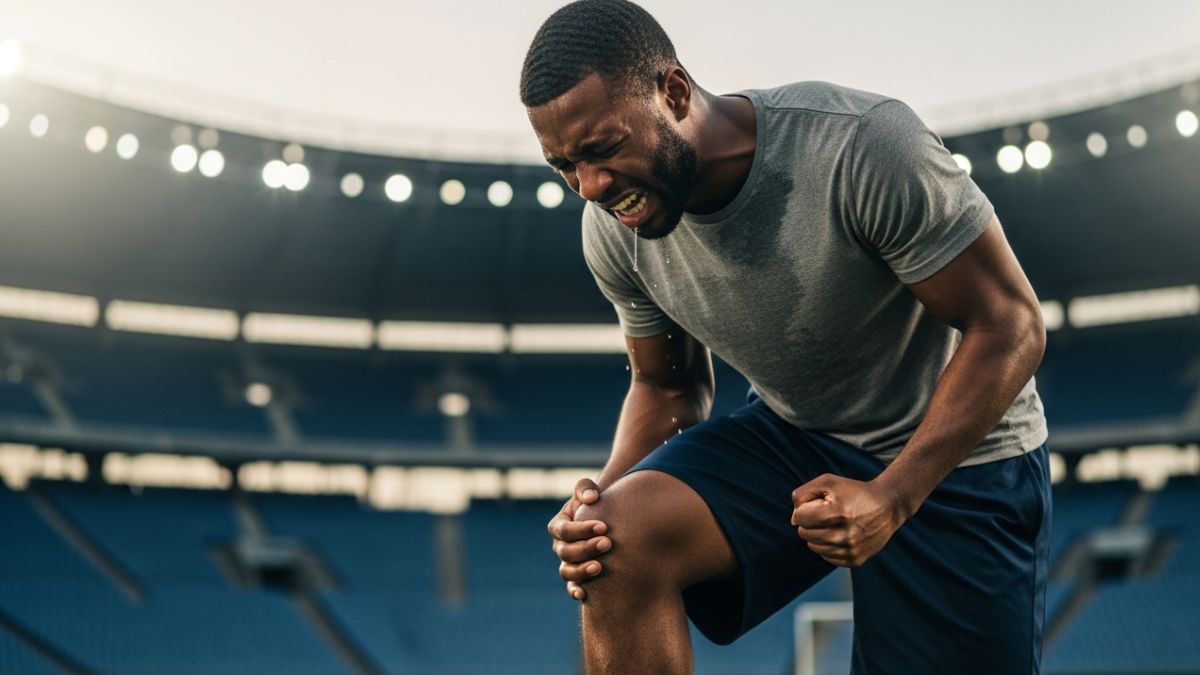
Bengaluru, the Silicon Valley of India, is home to over 2.5 million working IT professionals. The city has catalysed a profound shift in corporate lifestyles, with professionals increasingly seeking refuge from sedentary office environments through high-intensity recreational sports over the weekends.
With limited access to open playgrounds, indoor arenas, and specialised training formats like High-Intensity Interval Training (HIIT) & Callisthenics, Hyrox, and Muay Thai have emerged as a convenient alternative. While the enthusiasm for fitness is a welcome trend, high-intensity endurance sports require a tremendous amount of structured preparation, progressive conditioning, and sports nutrition.
The biggest pitfall for most weekend warriors is cutting short the preparation time. Jumping into demanding events or high-impact games without adequate pre-conditioning often leads to preventable musculoskeletal injuries, such as:
*ACL, meniscus, and ankle ligament tears from abrupt turns on synthetic indoor turf.
*Rotator cuff and shoulder strain from racquet and throwing sports.
*Muscle strains, tendonitis, and stress fractures caused by overtraining without proper warm-up or recovery.
*Back and neck pain due to poor posture and inadequate core strength
Corporate office workers already face underlying posture and joint vulnerabilities. Sudden, unconditioned strain simply accelerates the damage. Ignoring early warning signs and relying solely on painkillers or temporary rest often worsens the condition, delaying recovery and sometimes requiring surgical intervention.
Training smart is more important than training hard
The lack of professional supervision and formal injury surveillance systems in recreational settings leaves many athletes prone to chronic lower limb issues. Competitive fitness should never come at the expense of long-term joint health. To stay active safely, recreational athletes must shift their mindset from "pushing limits at all costs" to structured, smart training. This includes:
*Integrated strength & conditioning: Targeted strength work is non-negotiable to support joints during explosive movements.
*Sport-specific preparation: Training for a Hyrox and Muay Thai requires a totally different physical base than playing a quick game of indoor football.
*Nutrition & hydration: Staying appropriately hydrated and fuelled before and after workouts aids muscle repair and energy management.
*Adequate recovery: Getting sufficient sleep on rest days prevents chronic overuse injuries.
Why are sports injury centres becoming essential?
The rise of competitive endurance culture makes a formal integration of sports science and medical intervention necessary to mitigate these risks. By establishing comprehensive sports injury prevention programs, Bengaluru’s fitness infrastructure can shift from mere accessibility to performance-oriented safety, addressing the morbidity associated with unconditioned physical exertion.
This requires sports medicine practitioners to transition beyond the traditional musculoskeletal-centric model and adopt a multidisciplinary approach that involves physiological screening and evidence-based training. This integration of sports medicine and exercise science is essential to manage the distinct mechanical risks inherent in intensive disciplines like callisthenics and long-distance running. As sports medicine in India experiences a steady upswing, building the capacity for holistic athlete care is paramount to supporting these specialised activities. By bringing together orthopaedic surgeons, sports medicine specialists, physiotherapists, and strength & conditioning coaches, these centres provide:
*Early, accurate diagnosis of joint and soft-tissue problems.
*Custom rehabilitation and safe "return-to-sport" protocols.
*Formal injury prevention and movement-assessment programs tailored to corporate athletes.
The Indian corporate fitness revolution is an incredible movement toward healthier, more active living. However, enthusiasm must be matched with proper preparation. Fitness is not about exhausting your body every weekend. It is about building sustainable resilience.
By prioritising smart conditioning, proper recovery, and early medical guidance when needed, Bengaluru’s corporate athletes can challenge themselves today while protecting their joints for decades to come.
The author is a shoulder and knee surgeon, specialist in Arthroscopy, Sports Surgery & Robotic Joint Replacement at Manipal Hospital Millers Road).
The opinions expressed in this article are those of the author and do not purport to reflect the opinions or views of THE WEEK.
