



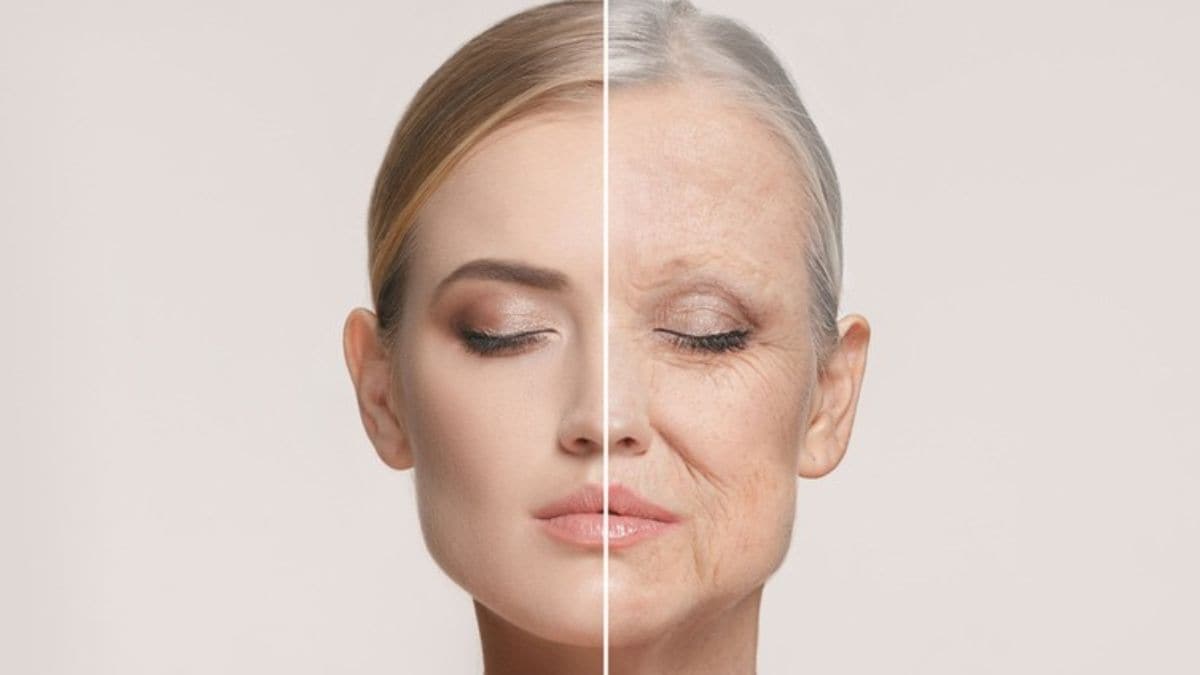
When most people think about burnout, they picture feeling mentally drained or constantly exhausted. What often goes unnoticed is that prolonged stress can also change the way you look.
Skin may appear dull, the eyes may seem more tired, hair shedding may increase, and signs such as premature greying or dark circles can become more noticeable. Even people who maintain a consistent skincare routine and eat nutritious meals may experience these changes because the effects of chronic stress begin from within the body rather than on the surface of the skin.
How stress affects our body
When the body experiences prolonged stress, it shifts into what is commonly known as the fight-or-flight response. This is a natural survival mechanism that helps us respond to immediate danger.
However, when the body remains in this state because of demanding work schedules, inadequate recovery, or ongoing emotional stress, it begins to prioritise survival over repair and renewal. During this process, blood flow and nutrients are directed mainly toward vital organs such as the brain, heart, and lungs.
As a result, the skin and hair receive comparatively less circulation and nourishment. Over time, this reduced support may contribute to dull skin, slower skin repair, increased hair loss, premature greying, and a loss of the healthy glow that is often associated with good health.
Chronic stress can also affect the endocrine system, which regulates hormones that influence skin health, energy levels, and overall well-being.
When hormones become imbalanced, the skin may lose its natural radiance and the body may feel constantly fatigued, even after getting enough sleep. Recovery involves much more than simply getting enough sleep. While sleep is important, it cannot completely reverse the effects of prolonged stress if the body remains under constant pressure.
Every cell relies on tiny energy-producing structures called mitochondria to carry out its daily functions. These structures supply the energy needed for essential processes such as repairing skin, supporting healthy collagen formation, maintaining physical endurance, and keeping the mind alert.
When the body remains in a prolonged state of stress, cellular energy production can become less efficient. As a result, the body may struggle to repair and regenerate itself effectively, leading to persistent tiredness, slower recovery, reduced vitality, and changes in the skin that can make a person appear older than they are.
Prolonged stress can also slow the lymphatic system, which plays an important role in removing waste products and maintaining healthy fluid balance within the body.
When the lymphatic system becomes sluggish, waste removal becomes less efficient. This may contribute to puffiness, inflammation, and a tired appearance, making the effects of burnout even more noticeable.
Addressing burnout requires more than simply treating the visible symptoms with skincare products or cosmetic procedures. While these treatments can support healthier-looking skin, lasting improvements come from restoring overall health.
Managing stress effectively, prioritising restorative sleep, maintaining a nutritious diet, staying physically active, and allowing the body adequate time to recover all contribute to better skin, improved energy levels, and enhanced overall wellbeing.
Your face often reflects what is happening within your body. Recognising the early signs of burnout and taking steps to restore internal balance can improve not only your appearance but also your physical and emotional health. Lasting radiance begins with a healthy body, balanced energy, and proper recovery.
(The author is the founder & chief consultant of Bio Revive)
The opinions expressed in this article are those of the author and do not purport to reflect the opinions or views of THE WEEK.
