



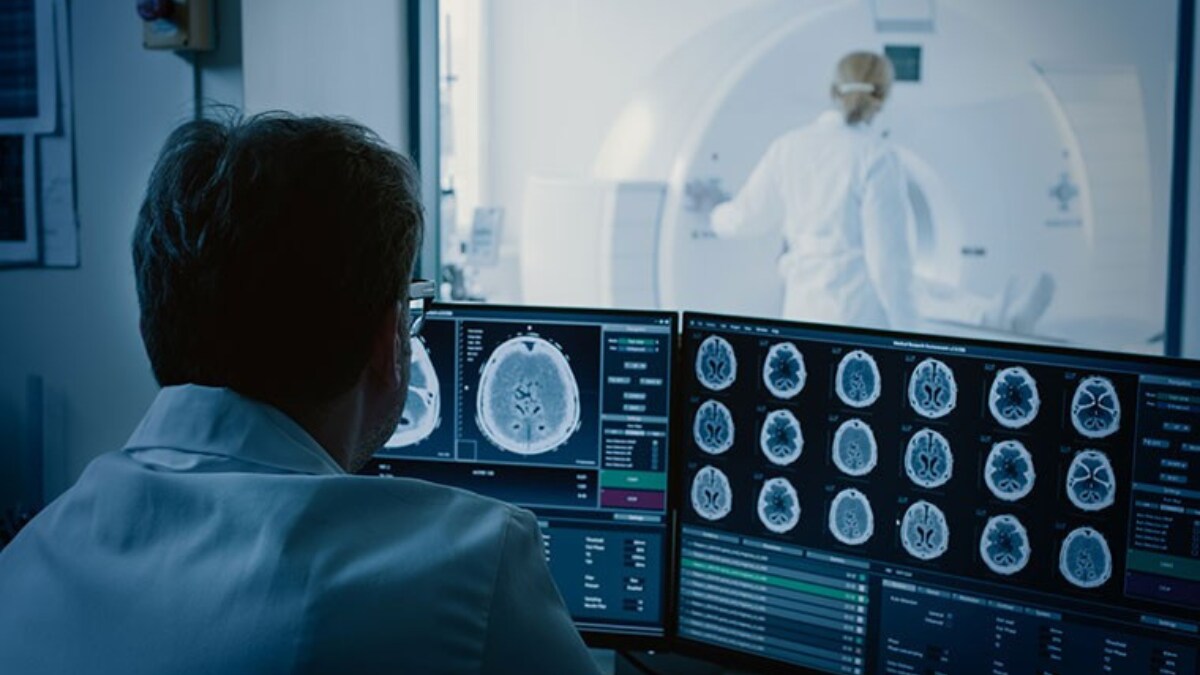
When most people hear the word 'stroke', they imagine an elderly person. Unfortunately, this is no longer always true. Across India, neurologists are increasingly seeing strokes in people in their 20s, 30s, and 40s. A condition once considered a disease of old age is now affecting younger adults in their most productive years.
A disturbing trend
Stroke occurs when blood supply to a part of the brain is interrupted, either because of a blocked blood vessel (ischemic stroke) or bleeding into the brain (haemorrhagic stroke). Brain cells begin to die within minutes, making stroke a true medical emergency.
Approximately 10-20 per cent of strokes in India occur in individuals younger than 50 years. Compared with many Western countries, India appears to have a higher proportion of strokes affecting younger adults. This trend is particularly concerning because stroke in a young person often affects employment, family responsibilities, and long-term quality of life.
Are men and women equally affected?
In general, young men experience stroke more often than young women. However, certain stroke risk factors are unique to women.
Pregnancy and the period immediately after childbirth increase the risk of stroke. Some women may develop stroke while taking estrogen-containing oral contraceptive pills, particularly if they smoke or have other risk factors. A condition called cerebral venous sinus thrombosis (CVST), in which blood clots form in the veins draining the brain, is also seen more commonly in younger women.
Why are young people having strokes?
The causes of stroke in younger people are often different from those in older adults.
Traditional risk factors remain important:
• High blood pressure
• Diabetes
• Smoking and tobacco use
• Obesity
• Physical inactivity
• High cholesterol and elevated ApoB levels
• Excessive alcohol consumption
However, younger individuals may also develop stroke because of less common conditions such as:
• Cervical artery dissection (a tear in the artery wall supplying the brain)
• Heart abnormalities, including patent foramen ovale (PFO)
• Blood clotting disorders
• Elevated homocysteine levels, often due to vitamin B12 deficiency
• Autoimmune diseases
• Genetic disorders affecting blood vessels or clotting
Many young Indians are also developing metabolic syndrome, characterised by abdominal obesity, insulin resistance, high triglycerides, and hypertension. This greatly increases long-term stroke risk.
Recognising the warning signs
One of the biggest mistakes people make is assuming they are 'too young' to have a stroke.
Common symptoms include:
• Sudden weakness of the face, arm, or leg, especially on one side of the body
• Sudden difficulty speaking or understanding speech
• Sudden loss of vision in one or both eyes
• Sudden severe imbalance or difficulty walking
• Sudden dizziness accompanied by imbalance while walking, slurred speech or double vision
• Sudden severe headache, particularly if associated with vomiting or reduced consciousness
A simple way to remember the warning signs is the FAST acronym:
F – Face drooping
A – Arm weakness
S – Speech difficulty
T – Time to call emergency services
Every minute counts.
How is stroke diagnosed?
Modern brain imaging has revolutionised stroke care.
Typical tests include:
• CT scan of the brain
• MRI brain with diffusion-weighted imaging
• CT or MR angiography to assess blood vessels
• Cardiac evaluation to identify heart-related causes
• Blood tests for clotting disorders and other risk factors
The goal is not only to confirm the diagnosis but also to determine why the stroke occurred.
The importance of early treatment
For patients with ischemic stroke caused by a blocked artery, clot-busting medication (thrombolysis) can restore blood flow if administered quickly after symptom onset.
In selected patients with large vessel occlusion, a procedure called mechanical thrombectomy can physically remove the clot from the brain's blood vessels. Some patients who would have been severely disabled in the past can now walk out of the hospital with minimal deficits.
The key message is simple: The earlier treatment begins, the better the outcome.
Can stroke be prevented?
The answer is yes; many strokes are preventable.
You can substantially reduce your risk by:
• Monitoring and controlling blood pressure
• Avoiding smoking and tobacco in all forms
• Exercising regularly
• Maintaining a healthy body weight
• Eating a diet rich in fruits, vegetables, legumes, nuts, and whole grains
• Managing diabetes and cholesterol
• Getting adequate sleep
• Avoiding alcohol
For people with vitamin B12 deficiency, correcting the deficiency may help lower elevated homocysteine levels, an important risk factor for stroke in some individuals.
What about COVID vaccines?
One question that still worries many people is whether COVID-19 vaccines cause stroke. The evidence accumulated over the past several years is reassuring. The overwhelming majority of vaccinated individuals do not experience stroke because of vaccination.
A very rare clotting disorder called vaccine-induced immune thrombotic thrombocytopenia (VITT) was reported after certain adenoviral vector vaccines. However, these events were extremely uncommon and far rarer than the risk of serious complications associated with COVID-19 infection itself.
Stroke is no longer a disease confined to old age. Young Indians are increasingly affected, often because of a combination of traditional risk factors and unique causes such as clotting disorders, arterial dissections, and elevated homocysteine levels.
The good news is that stroke is often preventable, and modern treatments can be remarkably effective when delivered quickly.
Remember: if sudden weakness, speech difficulty, vision loss, or imbalance occurs, do not wait. Seek emergency medical attention immediately. When it comes to stroke, time lost is brain lost.
The opinions expressed in this article are those of the author and do not purport to reflect the opinions or views of THE WEEK.
