



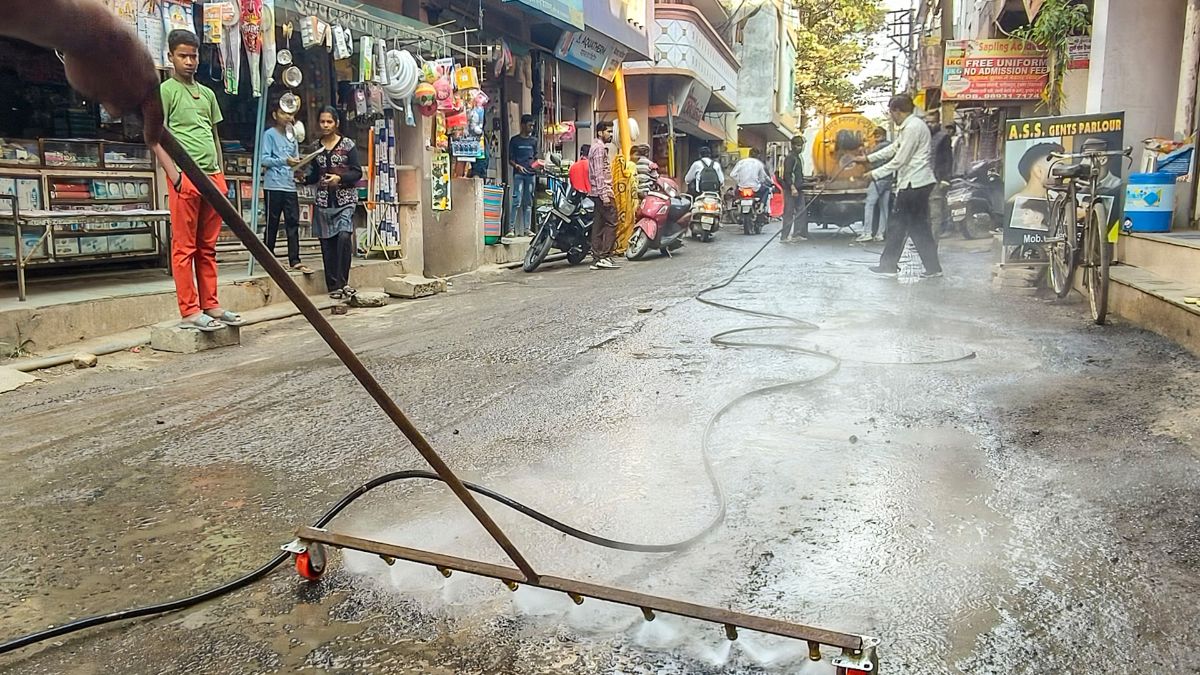
The initial inquiry report into the water contamination tragedy that shook the residents of Indore's Bhagirathpura area in Madhya Pradesh revealed the presence of sewer bacteria. At least four people, including a five-month-old infant, died, and several others were hospitalised after consuming sewage-contaminated water.
According to officials, the bacteria detected are "generally found in sewer water." However, a culture report is awaited to identify the bacteria.
Reportedly, leakage in a pipeline constructed above the main drinking water supply pipeline led to the water contamination, causing a severe health crisis in the region.
What are the common bacteria found in sewer water?
Sewer water contains diverse bacteria, generally from human waste, including faecal coliforms like Escherichia coli (E. coli) and Enterococcus. E. Coli is often present in large numbers, indicating contamination by human or animal faeces.
Salmonella, Shigella, Vibrio Cholerae, Pseudomonas and Staphylococcus aureus are the other bacteria that are found in sewage and urban drainage networks.
Shigella mainly causes bacterial dysentery, leading to vomiting and diarrhoea. Those affected in Indore had severe vomiting and diarrhoea. So far, over 8,000 people in the area were examined, and as many as 338 showed symptoms of vomiting and diarrhoea.
Threat of antibiotic resistance
Considering India's sewage systems, antibiotic-resistant bacteria are one of the main concerns. Climate change and many other environmental factors facilitate the existing bacteria to adapt and thus turn sewage networks into potential hotspots for the spread of 'superbugs'.
Health implications
Exposure to contaminated drinking water causes serious waterborne diseases, including:
Cholera
Typhoid fever
Hepatitis A
Dysentery
Giardiasis (usually caused by a parasite rather than a bacterium)
