


 Add as a preferred source on Google

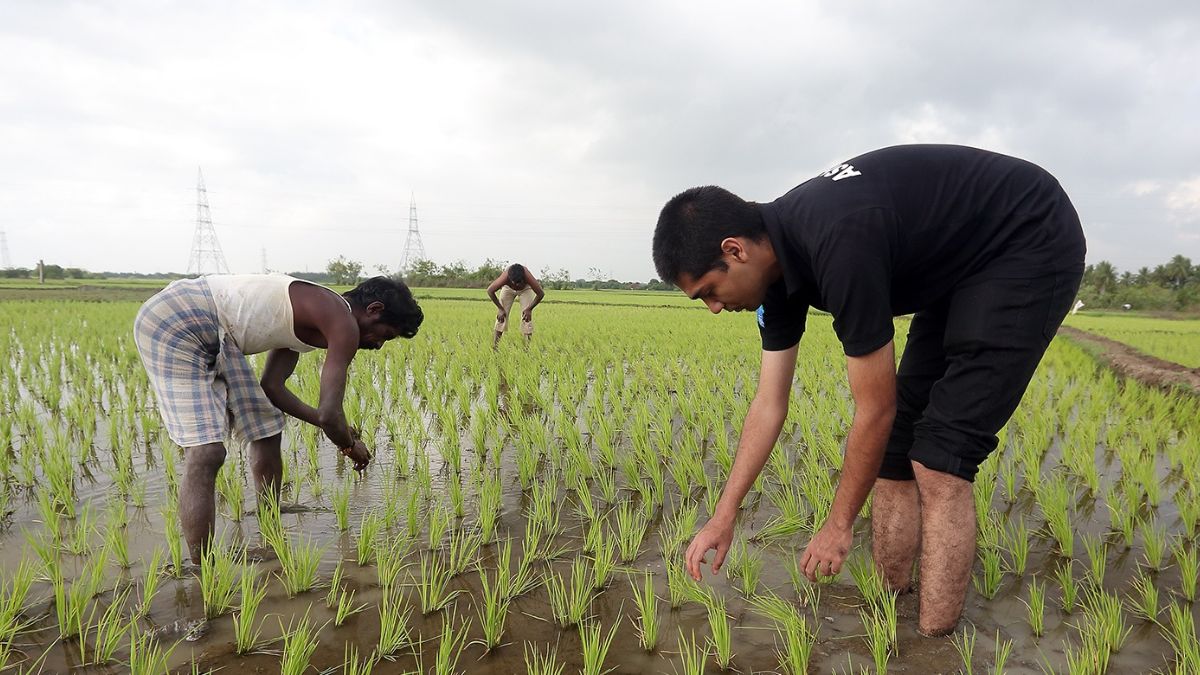
What does a village teach a future corporate leader that a management classroom cannot? For students accustomed to business simulations, financial models and boardroom strategies, working alongside farmers, fishermen, women’s self-help groups and rural entrepreneurs can be an entirely different learning experience. It is also one that a Chennai-based business school believes is essential to creating responsible leaders.
At the Great Lakes Institute of Management, Chennai, students are being taken beyond conventional management education through an initiative called Karma Yoga.
The programme seeks to develop leadership through direct engagement with rural communities, exposing students to challenges that cannot always be understood through textbooks or case studies.
"Meaningful learning occurs when students engage directly with real-world contexts, confront practical challenges and apply their knowledge to address societal needs," Dr Arulsamy S., Head of Karma Yoga, said in a special interaction with THE WEEK.
The programme currently engages with 27 neighbouring panchayat villages, involving students in initiatives across education, healthcare, agriculture and livelihoods. Their interactions include working with farmers and fishermen, women’s self-help groups, tribal women, children and local entrepreneurs.
The idea is to expose students to the human realities behind development challenges. A business plan may look convincing in a classroom, but implementing it in a village can involve negotiating with different stakeholders, working with limited resources and adapting to circumstances such as changing weather conditions or local festivals.
These experiences, Arulsamy says, teach students to deal with ambiguity, accept failure and develop adaptability. More importantly, they learn that leadership begins with understanding the people they seek to work with.
Karma Yoga is not designed as a series of occasional social service activities. While students participate in cleanliness drives and health camps, the larger emphasis is on creating sustainable interventions that can continue beyond their academic engagement.
One of the programme's priorities is identifying aspiring rural entrepreneurs and helping existing businesses expand. Students apply management concepts learnt in classrooms to identify business opportunities, improve the use of available resources and support livelihood generation.
"The bonding between students and communities over almost a decade paves the way for building trust," Arulsamy said, emphasising that sustained engagement is necessary to create lasting change.
Arulsamy believes management curricula must increasingly incorporate lived experiences, community-based problem-solving, empathy, humility and ethical judgement.
"When students work alongside panchayat leaders, teachers, farmers, women's groups and entrepreneurs, they learn that complex problems rarely have clear-cut solutions, that listening precedes leading, and that legitimacy is earned through trust," he added.
