



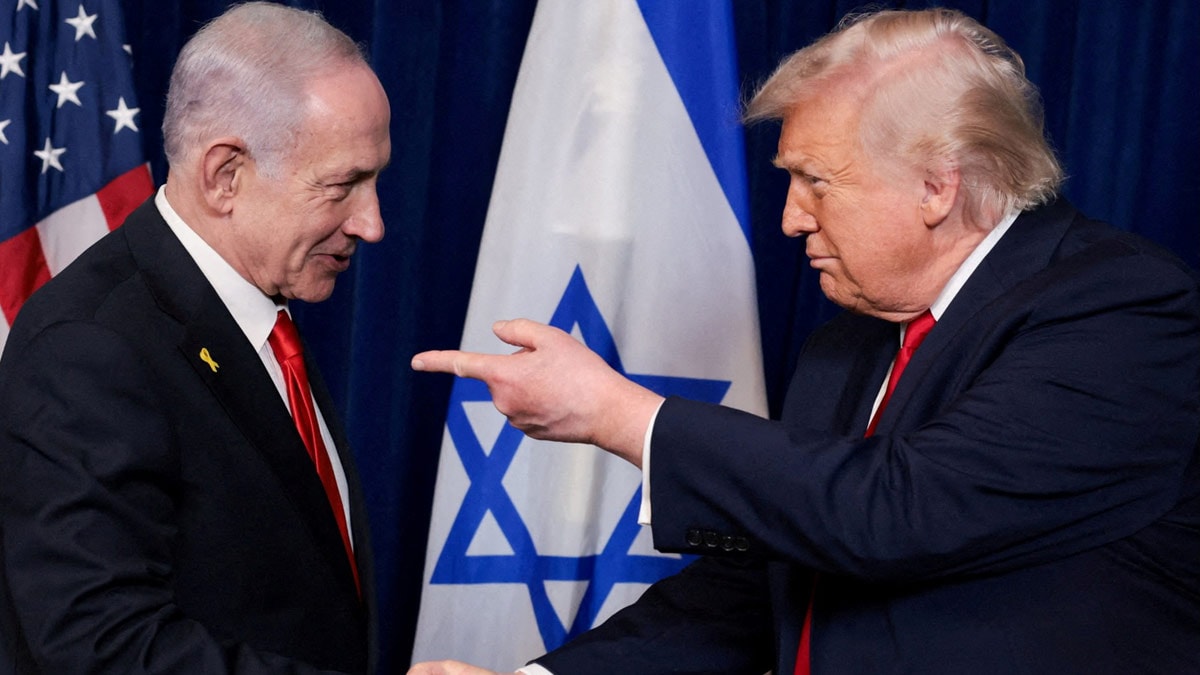
The announcement on June 15, 2026, that the US and Iran have agreed to a peace framework, with a formal signing expected in Switzerland on June 19, is the most consequential diplomatic development in West Asia since the collapse of the original nuclear deal more than a decade ago. Markets and policymakers reacted positively: oil prices plunged, global equities rallied, and a cautious optimism spread through capitals that one of the most dangerous crises of the century might be winding down. Yet the euphoric headlines obscure a more delicate reality. What Washington and Tehran appear to have reached so far is not a peace treaty but a ceasefire-plus — a pause that buys time and space for far tougher talks to come. Whether it becomes the foundation for durable settlement or merely a brief intermission depends on how the next 60 days play out.
What the deal appears to contain
Although the text has not been made public, multiple briefings and reporting outline a compact set of measures designed to halt the fighting and stabilise markets. First, both sides have agreed to an immediate end to direct military operations between the US and Iran and to make efforts to curtail spillover hostilities across the region. Second, Iran will reopen the Strait of Hormuz to commercial shipping while Washington lifts its accompanying naval blockade — a move with instant global economic effects given that roughly one‑fifth of seaborne oil passes through the waterway. Third, the US side has promised suspension of waivers of key oil‑related sanctions, allowing Iran to resume significant energy exports. Fourth, Iran will gain access to frozen overseas assets — reports suggest between $12 billion immediately and up to $25 billion over time. Fifth, Tehran accepts a nuclear freeze for the period of negotiations: no production of weapons‑grade material, no expansion of enrichment capacity, and a commitment not to enlarge its nuclear infrastructure while detailed discussions proceed. Finally, the arrangement establishes a 60‑day window for negotiating a broader settlement that would cover nuclear limits, sanctions architecture, regional security guarantees and future relations.
These measures are consequential but clearly provisional. The deal buys breathing room; it does not yet solve the underlying disputes that drove 108 days of conflict.
What still remains to be negotiated?
The existential question — Iran’s nuclear programme— has been deferred rather than settled. The clock now runs on thorny technical and political choices: What enrichment levels will be permitted? Will centrifuges be dismantled or removed from operation? Who will verify compliance, and what intrusive inspection regime will be accepted? What becomes of Iran’s existing stockpiles of enriched uranium? These are not questions for the next press conference but for patient, forensic diplomacy.
Equally unresolved are Israel’s security concerns. Jerusalem is not a negotiating party to this US‑Iran framework and has explicitly conveyed that it retains freedom of action against perceived Iranian threats. That creates a glaring gap. Even if Washington and Tehran reach an accommodation, Israel’s anxieties about Iranian nuclear capability and about proxy networks — in Lebanon, Iraq, Syria, Yemen and Gaza — would need to be addressed if a durable settlement is to stick. Otherwise, Israel will continue to play the spoiler.
The future of Iran’s regional proxies is another open front. Will Tehran scale back material, financial and training support for Hezbollah, Iraqi militias, the Houthis and Palestinian groups? Or will it preserve its influence while shifting to lower‑profile tools of power projection? Likewise, reciprocal Israeli military operations against those proxies remain politically and militarily possible. Without a comprehensive regional architecture that reduces incentives for proxy conflict, the danger of re‑escalation persists.
Control and guarantees for the Strait of Hormuz remain politically charged. Iranian officials stress that Tehran will not cede control of its waterways; Western interpretations insist on international guarantees for safe passage. Bridging that gap requires legal, security and confidence‑building measures that go beyond the narrow mechanics of the present agreement.
Finally, the sanctions architecture is fluid. Temporary waivers are far easier than permanent relief. In the US context, any sustained easing will clash with domestic politics and Congress; in Europe, member‑state politics and upstream commercial interests will shape how far and how fast sanctions unwind. These political constraints mean that the immediate economic benefits for Tehran may be reversible if talks falter.
Can the situation return to the status quo ante of February 28, 2026?
Practically, no. Wars change realities. The political, military and psychological landscape of West Asia has been altered irreversibly. Iran has endured intense pressure — sanctions, strikes, cyber operations and a naval chokepoint — and yet the Islamic Republic remains intact. Tehran’s survival under fire will strengthen nationalist and regime narratives - that resistance pays. That does not mean Iran necessarily emerges stronger in every sphere, but it will be a different, hardened actor with renewed confidence in asymmetrical regional strategies.
Israel, for its part, demonstrated extraordinary military reach and intelligence capability during the campaign. But its strategic objective — fundamentally altering Iran’s long‑term capacity to project power — remains only partially met. Israeli operations may have set back Iranian proxies and degraded some facilities, but they did not collapse the Iranian state or eliminate its nuclear potential. Israel, therefore, leaves the conflict with tactical gains but strategic ambiguity.
The US also cannot simply claim a return to the old normal. Washington moved from coercive pressure to a mediated compromise when the calculus of risk and cost demanded it. The episode underscores the limits of military power to impose political outcomes without accompanying political frameworks. Diplomacy returned to centre stage; whether it achieves lasting results will depend on sustained engagement.
Who gained and who lost?
If we measure success by survival and the ability to convert endurance into leverage, Iran is arguably the relative winner. Predictions of regime collapse or catastrophic economic implosion did not materialise. Instead, Tehran stands to regain export revenue, recover frozen assets and win temporary relief from the tightest sanctions — all while preserving much of its nuclear infrastructure pending deeper talks. Survival, in this context, amounts to strategic success.
The United States achieved a meaningful, if partial, success: it reopened global energy flows and reduced the risk of wider regional conflagration. But it did not secure unconditional Iranian capitulation, nor did it fully resolve Israel’s deepest security concerns. Washington’s outcome is mixed — diplomatic progress without decisive strategic closure.
Israel earned tactical validation of its military prowess and deterrent capability, yet its larger objective of permanently neutralising the Iranian challenge is unresolved. Much now hinges on the effectiveness of the next round of diplomacy and whether concrete limits and verification mechanisms on Iran’s nuclear programme can be codified.
Other beneficiaries include Pakistan, which appeared to gain unexpected diplomatic visibility by playing a mediation role, and the Gulf states, which will enjoy the immediate economic and security benefits of reduced tensions and lower insurance and transport costs. The global economy too was an immediate winner, as oil prices fell and markets cheered the prospect of restored supply through Hormuz.
Potential spoilers
The ceasefire is fragile. Recent incidents — such as Israeli strikes in Lebanon even as talks continued — remind us how easily accidents and miscalculations can reignite violence. A single maritime incident in the narrow, congested lane of Hormuz, a major terrorist attack, or a decisive breakdown in the nuclear discussions could unravel progress rapidly.
Proxy actors remain unpredictable. Hezbollah, Iraqi militias, the Houthis and Palestinian factions maintain varying degrees of autonomy; any major operation by or against them could derail diplomacy. Hardline political factions in Washington, Tehran and Jerusalem will also try to block or weaken compromises if they can mobilise public opinion or legislative power.
Domestic politics are a wild card. In the US, any effort to make sanctions relief permanent faces a contentious congressional process. In Iran, hardliners will test the limits of compromise with nationalistic rhetoric. In Israel, political leaders will need reassurance that core security needs are being met. Each of these domestic variables increases the fragility of what is, for now, a limited bargain.
Implications for India
For New Delhi, the short‑term implications are largely positive. India is a large importer of Middle Eastern energy; a reopened Strait of Hormuz and falling oil prices relieve inflationary pressures and strengthen fiscal headroom. Renewed access to Iranian energy and commerce also revives tangible opportunities around Chabahar Port and overland Eurasian corridors — projects that stalled amid heightened tensions.
Strategically, a quieter West Asia expands Indian diplomatic space. New Delhi has cultivated cooperative ties with Iran, Israel, the Gulf states and the United States; reduced regional friction allows India to continue this balancing act without being pushed into binary choices. Pakistan’s mediation win deserves sober observation but not alarm. It is an issue‑specific gain for Islamabad; India’s scale, economic weight and diplomatic reach are unchanged. New Delhi should respond with measured confidence and a focus on practical economic and security interests.
Where this leaves the region
The emerging US‑Iran agreement is neither a definitive peace nor an unequivocal victory for any actor. It is, rather, a pragmatic ceasefire forged from exhaustion, economic pressure and the mutual recognition of limits. All sides discovered that military power alone could not produce the political outcomes they sought. The US could not compel surrender; Israel could not eliminate Iran’s strategic depth; Iran could not force a regional realignment. Faced with these constraints, diplomacy returned — haltingly, imperfectly, but effectively enough to pause the guns.
Whether historians will mark June 2026 as the start of a durable settlement or as a temporary lull depends on what follows. The next 60 days are decisive. If negotiators can convert the ceasefire’s temporary restraints into verifiable nuclear limits, a credible sanctions‑lifting roadmap and meaningful constraints on proxy warfare, the deal may become a foundation for deeper stability. If the negotiations fail, the current lull could prove only an intermission before the next cycle of confrontation.
For now, the immediate human cost of 108 days of conflict remains. Cities were damaged, civilians suffered, economies were strained, and regional fault lines hardened. The deal has quieted the guns and let tankers move again, but peace in West Asia remains unfinished business — a work in progress that will demand patience, technical rigor and sustained political will from an exhausted region and an anxious world.
(The writer was Vice Chief of the Indian Army.)
(The opinions expressed in this article are those of the author and do not purport to reflect the opinions or views of THE WEEK.)
