



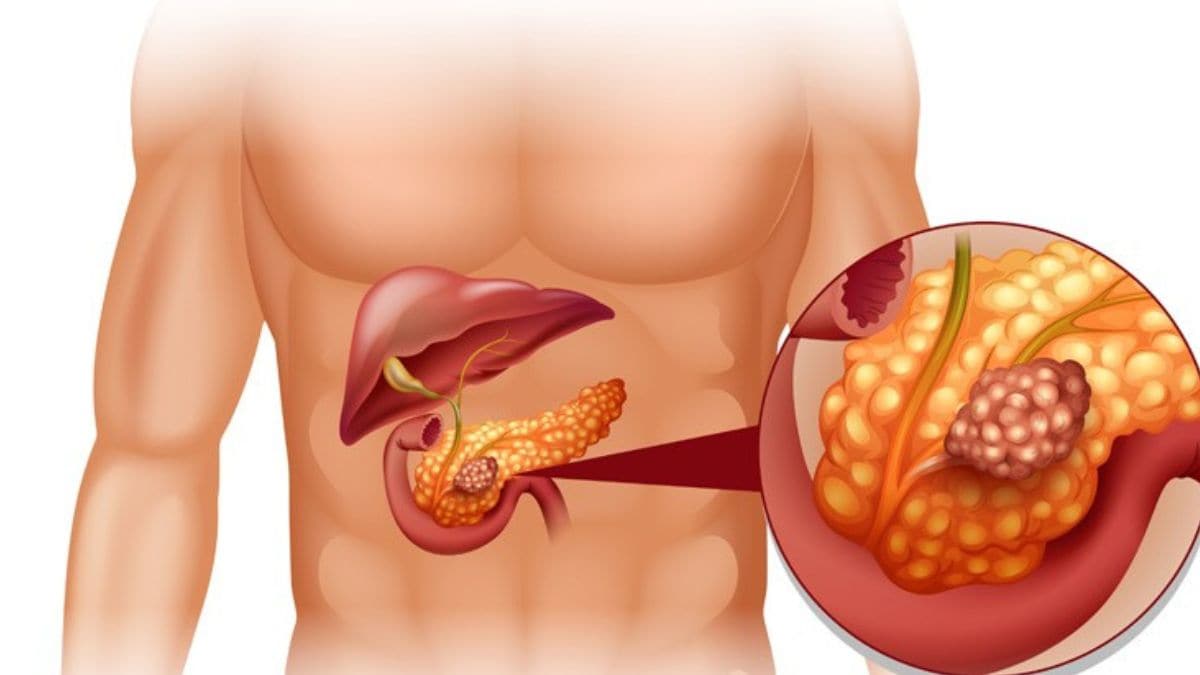
I used to see pancreatitis mostly in men in their fifties with a long drinking history, or in patients with gallstones. That's changed. These days, patients in their late twenties walk in doubled over with the same diagnosis, and it's forced me to rethink what I tell people about prevention.
Here are five habits I flag most often.
1. Weekend-only drinking: Patients often tell me, "But doctor, I don't drink daily." That's exactly the pattern I worry about. Staying dry all week and then drinking heavily over one or two nights. The pancreas reacts to the binge, not the weekly average.
2. Untreated high triglycerides: This one sneaks up on people. Fried food, sweets, a desk job this ensures triglycerides climb quietly, and by the time someone lands in my ER with acute pancreatitis, their levels are often far above normal. I now push routine lipid checks even in patients in their twenties.
3. Tobacco use: Smoked or chewed, I see this constantly in patients who don't drink at all. Tobacco on its own raises pancreatitis risk, and combined with alcohol, the risk compounds. It's an underrated factor compared to alcohol in most conversations I have with patients.
4. Crash dieting followed by binge eating: The erratic eating patterns I see, like skipping meals to "save calories," then overeating at night, disrupt the steady digestive rhythm the pancreas depends on. It's not just about weight, it's about consistency.
5. Brushing off abdominal pain as "just gas": This is the one that worries me most. Patients self-medicate with antacids for days before coming in, by which point the inflammation has progressed. Persistent pain in the upper abdomen that doesn't ease with usual remedies needs to be looked at, not waited out.
What strikes me most is the age shift. I'm now seeing patients in their twenties who fit a profile I associated with much older patients a decade ago. My advice hasn't changed much, but my urgency in giving it has: get your triglycerides checked yearly, moderate alcohol, quit tobacco, eat on a schedule, and don't ignore pain that lingers. The pancreas doesn't usually give you a second warning.
The author is a consultant - Surgical Gastroenterology, Pancreatic & Colorectal Surgery, Robotic GI Surgery & GI Oncology, at Manipal Hospital Sarjapur.
The opinions expressed in this article are those of the author and do not purport to reflect the opinions or views of THE WEEK.
