



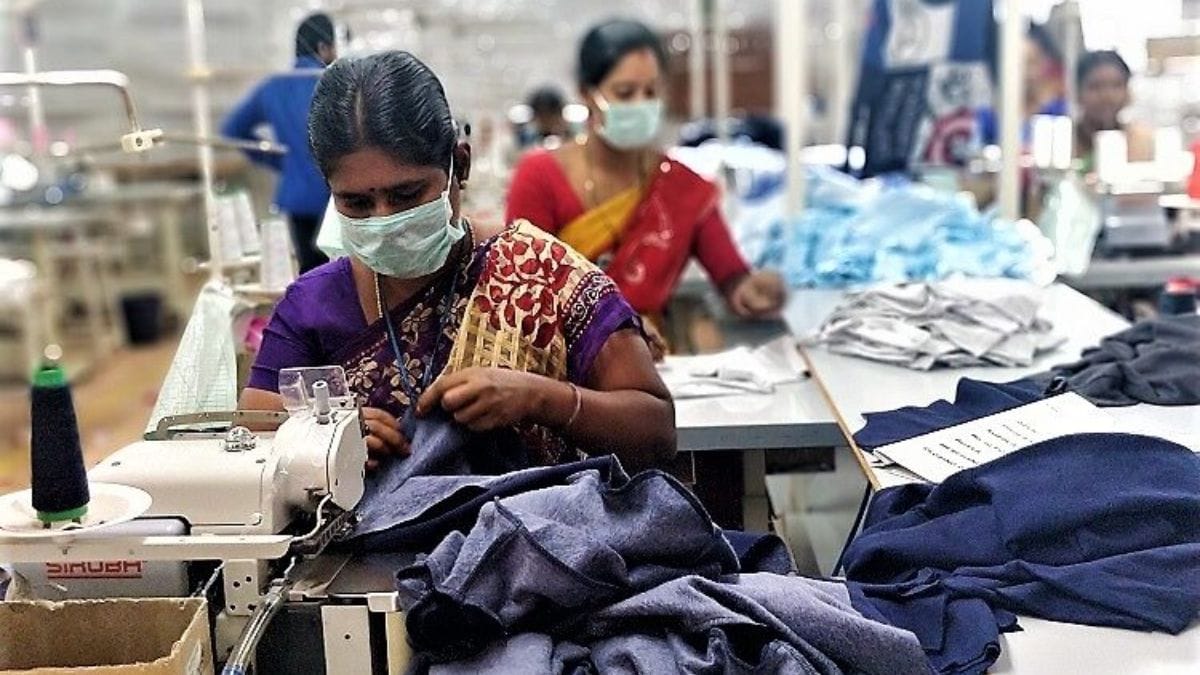
For Tiruppur’s knitwear exporters, greater access to the United Kingdom market has raised hopes of a fresh growth cycle and improved business prospects. With the India-UK trade agreement expected to improve market access for Indian products, the textile industry in West Tamil Nadu, particularly in the Tiruppur export market, is looking to convert the opportunity into higher orders, stronger revenues and new business relationships.
One of India’s leading knitwear manufacturing hubs, Tiruppur has been the major supplier of garments to international brands and retailers across the globe, over the decades. The UK has long been one of the most important destinations for Indian apparel. Apparently, the exporters from Tiruppur have been keen to capitalise on any reduction in trade barriers.
The India-UK Comprehensive Economic and Trade Agreement (CETA), which came into effect on July 15, 2026, has reduced the tariffs on a wide range of products. The agreement provides duty-free access for 99 per cent of Indian exports to the UK, potentially improving the competitiveness of Indian apparel manufacturers against rivals in countries such as Bangladesh and Vietnam.
“UK-India CETA is one of the biggest trade deals of modern times. It brings sweeping benefits to a range of sectors across our two economies,” says Sutapa Choudhury, British Deputy High Commissioner for Tamil Nadu, Kerala and Puducherry.
For Tiruppur’s exporters, the removal of tariffs will translate into more competitive pricing and improved margins. Tiruppur’s garment industry, which has been facing heavy pressure from rising production costs, fluctuating cotton prices and uncertainty in global markets, will not witness a more favourable trade regime. This is expected to encourage British retailers to increase their sourcing from Indian manufacturers.
Industry leaders in Tiruppur and the neighbouring Coimbatore region, however, caution that tariff concessions alone will not guarantee a sustained increase in exports. Buyers are increasingly demanding consistent quality, shorter delivery schedules, sustainable production and transparent supply chains.
K.M. Subramanian, president of the Tiruppur Exporters’ Association (TEA), says that the India-UK trade agreement is a significant opportunity for the apparel sector. “Tiruppur’s potential to emerge as a global apparel manufacturing hub and emphasised the need to expand production capacity, he said while speaking at an industry event.
The optimism comes against the backdrop of a strong performance by the cluster. Tiruppur’s knitwear exports reached a record Rs. 46,000 crore in 2025 - 2026, up from Rs. 44,747 crore the previous year. The industry has set its sights on achieving Rs. 1 lakh crore in annual exports by 2030.
While the UK agreement has opened the doors, exporters will also face intense competition from established apparel suppliers as the British retailers are likely to place greater emphasis on environmental standards, labour practices and supply chain traceability. “The trade agreement is a growth runway for TN. This will help manufacturers compete on quality and cost rather than tariff disadvantages,” says P. Ravichandran, chairman of the CII Southern Region.
For smaller exporters in Tiruppur, the immediate challenge will be converting new opportunities into firm purchase orders. Labour availability, financing, modernisation and reliable logistics are crucial at this juncture for small manufacturers to meet the demands of international buyers.
The UK market could offer Tiruppur a valuable avenue for diversification when global trade uncertainties continue to affect apparel manufacturers. However, the extent of the expected order surge will depend on buyer commitments, consumer demand and the ability of local manufacturers to deliver competitively priced, high-quality garments. But for now, Tiruppur’s exporters are preparing for an opportunity that could reshape their export strategy. However, it remains to be seen if they can turn it into sustained business growth.
