



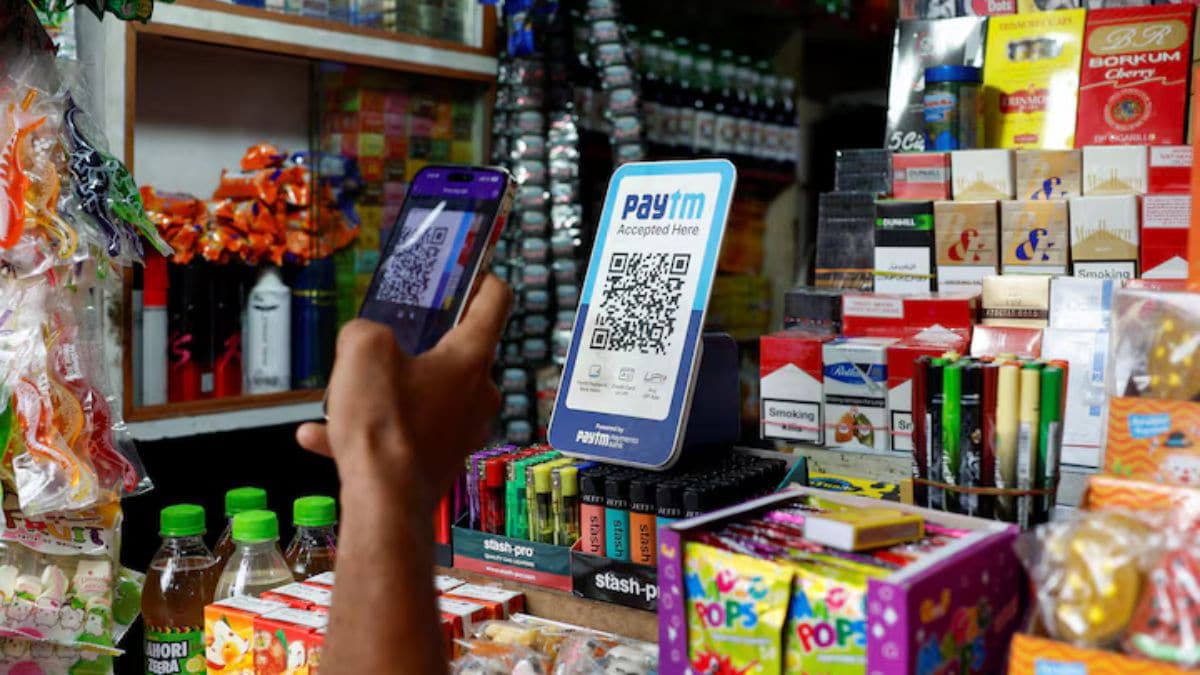
Amid concerns that customers will have to bear the brunt of the newly introduced Merchant Discount Rate (MDR) for UPI payments above Rs 2,000, the Centre is reportedly holding talks with payment aggregators and other stakeholders in the Unified Payments Interface (UPI) ecosystem.
Other steps also include setting up a monitoring mechanism under the Finance Ministry to ensure that the burden does not get passed down to the consumers. However, the Centre is yet to publicly detail exactly how this daily monitoring will work.
As per the new guidelines, from October 15, a 0.4 per cent MDR will apply to person-to-merchant UPI payments above Rs 2,000. The charge will be paid by merchants and will be capped at Rs 300 for transactions of Rs 75,000 or more. However, payments between individuals, as well as the vast majority of everyday merchant payments, will remain free.
A senior official associated with the government's finance department told PTI that every transaction made by the traders will be monitored from October 15. Special attention will be paid to those whose volume is high on a daily basis. The data obtained will be compared with the statistical report of the bank.
UPI application providers have also been prohibited from imposing platform fees or hidden charges, the Finance Ministry said.
Meanwhile, amid allegations that US pressure was behind the move. Sources said it is anticipated that the imposition of MDR would not lead to a reduction in UPI transactions, as only 4 per cent of total volume is getting impacted due to the decision.
The Finance Ministry on Thursday dismissed allegations that US pressure influenced the decision to levy a 0.4 per cent MDR, saying the latest NPCI guidelines do not give international credit cards any advantage over RuPay, and asserted that it does not expect the levy to trigger a shift towards cash transactions.
