



For atta-to-agarbatti giant ITC (god forbid you call it a tobacco company!), for all its treasure trove of profits year after year, two things have always been core focus areas: one, to focus on back-end capabilities as they can be crucial in business expansion.
And second, and not really secondary, to double down on its non-cigarette portfolio.
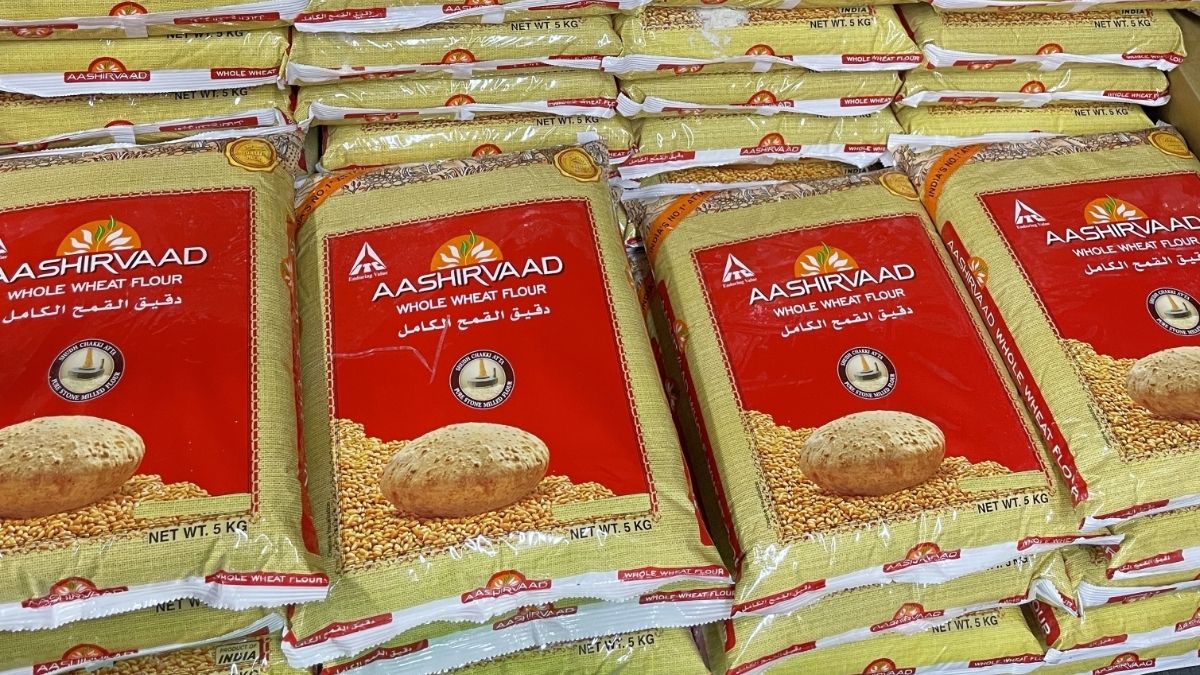
Its saving grace has been the market leadership the company has in India’s staple, atta, with its ‘Aashirvaad’ brand, which is the market leader nationally, as well as an ever-expanding FMCG category that cumulatively, according to its recent annual report, has hit more than 24,000 crore rupees in revenues.
Yet, successful products, glitzy ads and fancy turnovers are the visible part of it, but the real machinery that makes it all work is the less-glamorous back-end systems. And a company whose products can be found in the smallest of towns and narrowest of its back alleys does know a thing or two about how important that can be.
Especially for a legacy company in the era of new-age startups that blitzkrieg their way to eye-popping success figures.
“The investments reflect a broader shift in strategy within India's FMCG sector, where companies are increasingly spending on backend capabilities as much as product portfolios....the focus appears to be on creating the infrastructure needed to support the next phase of growth rather than relying solely on brand expansion,” said a note shared by ITC.
Supply chain: The company has established 12 Integrated Consumer Goods Manufacturing and Logistics facilities located close to large cities with high demand.
According to ITC’s annual report, these facilities are intended to improve product freshness, shorten response time to market demand, reduce servicing costs and provide additional capacity as the business expands.
Logistics: Supporting these supply chain centres are three Automated Manufacturing and Logistics Facilities which have been designed to improve inventory management, simplify logistics operations and support supply-chain efficiency.
These are spread out regionally, at Pudukottai in Tamil Nadu in the South, Kapurthala in Punjab in the North and Panchla in West Bengal to the East.
Innovation: The company has also continued to expand its research capabilities through its Life Sciences and Technology Centre (LSTC) in Bengaluru. It features 55 laboratories and 16 pilot plants, and claims to have filed more than 900 patent applications.
The innovations here directly go to support around 100 new product launches by ITC, primarily in consumer food items, annually.
According to the Annual Report, research is spread across health and wellness, crop science, sustainable materials, packaging and formulation development, alongside work on manufacturing systems and agricultural processes.
The last mile
Of course, ITC has been trying its best to be technology-forward, not just having direct-to-consumer commerce platforms, but using digital tools to analyse consumer behaviour, as well as sourcing and supply management.
But that’s not all; with the company still invested in its distribution network, some so spread across that they will be the envy of even globally prevailing MNC giants.
For example, its digital business-to-business platform UNNATI is used by over eight lakh small grocery shops and sales points, with ITC products presently available across nearly 70 lakh shops across India.
