



The CAG has found that out of the 131 functioning public sector enterprises in Kerala, 58 PSEs earned a profit of ₹1,368.72 crore as per their finalised accounts submitted till September 2023 while 66 PSEs incurred losses of ₹1,873.89 crore.
Four PSEs have incurred no profit/loss, and there were three PSEs, which were yet to furnish the first accounts for review of CAG.
Originally, 149 public sector enterprises (PSEs) in Kerala were under the CAG's audit jurisdiction. Of these, 130 are government companies, 15 are government-controlled entities, and four are statutory corporations, while 18 are already defunct.
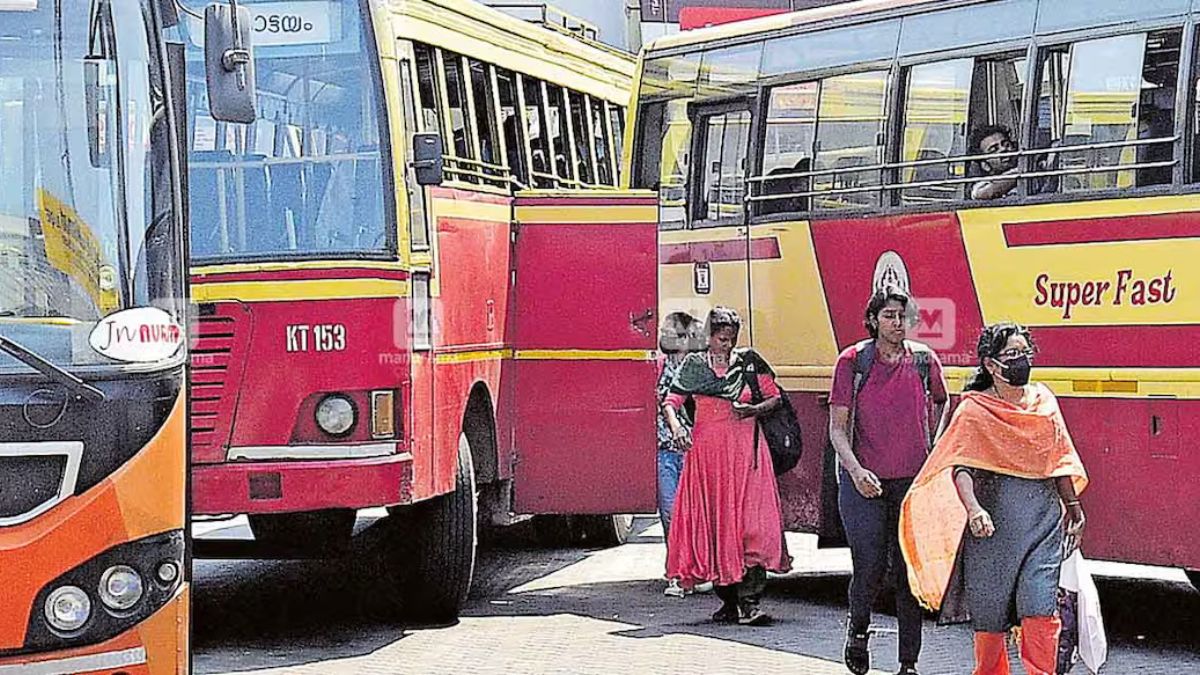
Notably, of the ₹1,873.89 crore total loss incurred by 66 PSEs, a staggering ₹1,327.06 crore was attributed to just two PSEs, including one statutory corporation. According to the CAG, these are the Kerala State Road Transport Corporation (KSRTC) and the Kerala State Civil Supplies Corporation Limited. However, the financial data considered for KSRTC dates back to 2015-16, as the corporation has a seven-year backlog (2016-17 to 2022-23) in submitting its accounts.
Moreover, only 16 PSEs submitted their accounts for the financial year 2022-23 within the stipulated timeframe, translating to a compliance rate of just 12.21 per cent. In response, the CAG has urged the state government to implement corrective measures, including enforcing Section 129(7) of the Companies Act, which mandates fines and/or imprisonment for failing to prepare accounts on time.
The CAG report revealed that 77 out of 131 working PSEs in Kerala have a cumulative accumulated loss of ₹18,026.49 crore. Among them, 44 PSEs have suffered complete net worth erosion, resulting in a negative net worth.
In response, the auditor recommended that the government reassess the business models of loss-making PSEs to identify the root causes of their financial struggles. The report suggests that if a business model is unsustainable, the government should consider shutting down or divesting its stake in such enterprises, particularly those with fully eroded net worth.
Notably, at the recent CPI(M) state conference in Kerala, the policy document Navakeralathe Nayikan Puthuvazhikal (New Ways to Direct New Kerala), presented by Chief Minister Pinarayi Vijayan, proposed restructuring unviable PSUs under a public-private partnership (PPP) model. The document advocates for agreements with private entities to manage these institutions under clear conditions.
With the policy document being accepted at the conference, the CPI(M)’s stance appears to have evolved towards considering disinvestment in loss-making PSUs, signalling a shift from its traditional position.
