



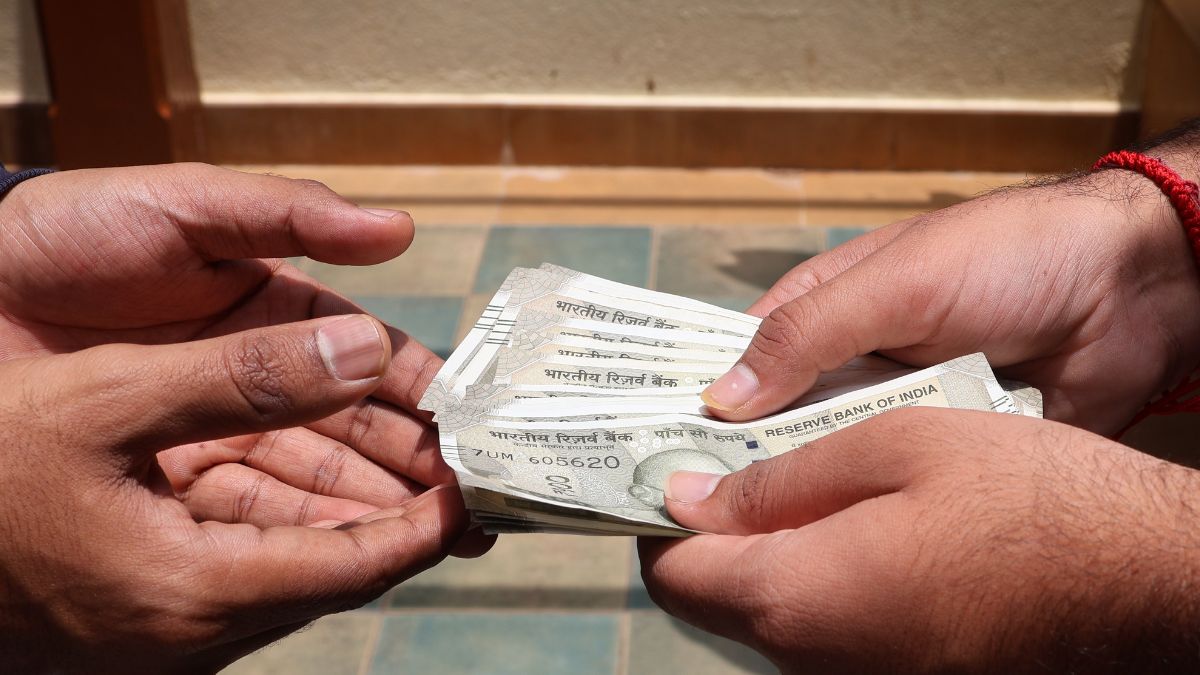
The peer-to-peer (P2P) lending space is facing challenges in India in the near past and the lending business is seeing a downturn without much activity happening. Market and media reports point out that challenging times started ever since the Reserve Bank of India (RBI) flagged off many P2P lenders for regulatory violations, which led to the central bank tightening its noose around many P2P players.
An industry that had started with much fanfare around 7-8 years back is now facing a dark uncertain future. P2P lending, which helps people to borrow and lend money without the help of an official financial set-up such as a bank as an intermediary, was expected to see huge traction in the country but things did not go right.
Media reports point out that the P2P segment's assets under management (AUM) have shrunk to less than ₹3,000 crore from around ₹10,000 crore a year back which is not good for this industry.
In June 2024, RBI came out with guidelines on the P2P space asking platforms to abstain from guaranteeing any fixed returns or credit enhancement facilities among several other rules. As a result, lending became more peer-to-peer, ensuring direct exposure between lenders and borrowers and platforms could no longer pool funds or offer guarantees for losses.
Due to different challenges and strict regulations by the central bank many P2P platforms slowed down their business. Reports point out that Liquiloans, Lendbox and LenDen Club were working with platforms such as Cred, BharatPe and MobiKwik to acquire borrowers and lenders for these loans. BharatPe has stopped the business, and Cred has put all new investments on hold. In January 2025, OkCredit shut down the P2P platform OkNivesh following the RBI action on P2P lenders.
A couple of months back, as per a report, the non-performing assets (NPA) in the P2P lending space rose to ₹1,163 crore in 2023-24. According to an RTI (right to information) response to Capitalmind Financial Services by the RBI, NPAs in P2P lending touched ₹1,163 crore at the end of the financial year ended March 2024. This is a seven-time jump compared with the 2018-19 financial year. NPAs are estimated to be more than 17 per cent of the total lending in the sector.
The report pointed out that the NPAs in P2P lending have risen consistently from ₹14.7 crore in 2018-19 to ₹25.9 crore in 2019-20 to ₹107.9 crore in 2020-21 to ₹191.7 crore in 2021-22 and ₹472.1 crore in 2022-23. Last year, they more than doubled to ₹1,163 crore.
Now it needs to be seen as to how the RBI will try to revive the industry which is staring at a bleak future. Will the central bank step in to ease regulations or will come up with something which benefits the P2P at the same time keeping a check on the industry? Experts point out that it may require more deliberations on behalf of the players and the RBI so that mutual consensus is reached.
