



At a time when television ratings are fragmenting, streaming platforms are tightening budgets and audiences are spoilt for choice, one genre continues to defy doomsday prophets—reality television.
From Bigg Boss and Indian Idol to MasterChef India, Shark Tank India and MTV Roadies, reality shows are among the most watched, discussed and commercially viable properties in India. They generate appointment viewing in an age of on-demand content, attract advertisers and increasingly spill beyond television screens into digital ecosystems.
But why and how is reality TV still thriving when so much else in the entertainment business is struggling to retain attention? Industry experts say the answer lies in a combination of emotional engagement, audience participation, social media amplification and the genre’s ability to evolve with changing viewing habits.
The rise of streaming was once expected to fundamentally alter viewing patterns. Instead, it has primarily affected scripted entertainment. Viewers may binge-watch a web series over a weekend or abandon it midway for another show. Reality television, however, creates a shared experience. Unlike scripted dramas, reality shows unfold in real time. Audiences vote, discuss contestants, predict outcomes and participate in conversations throughout the season.

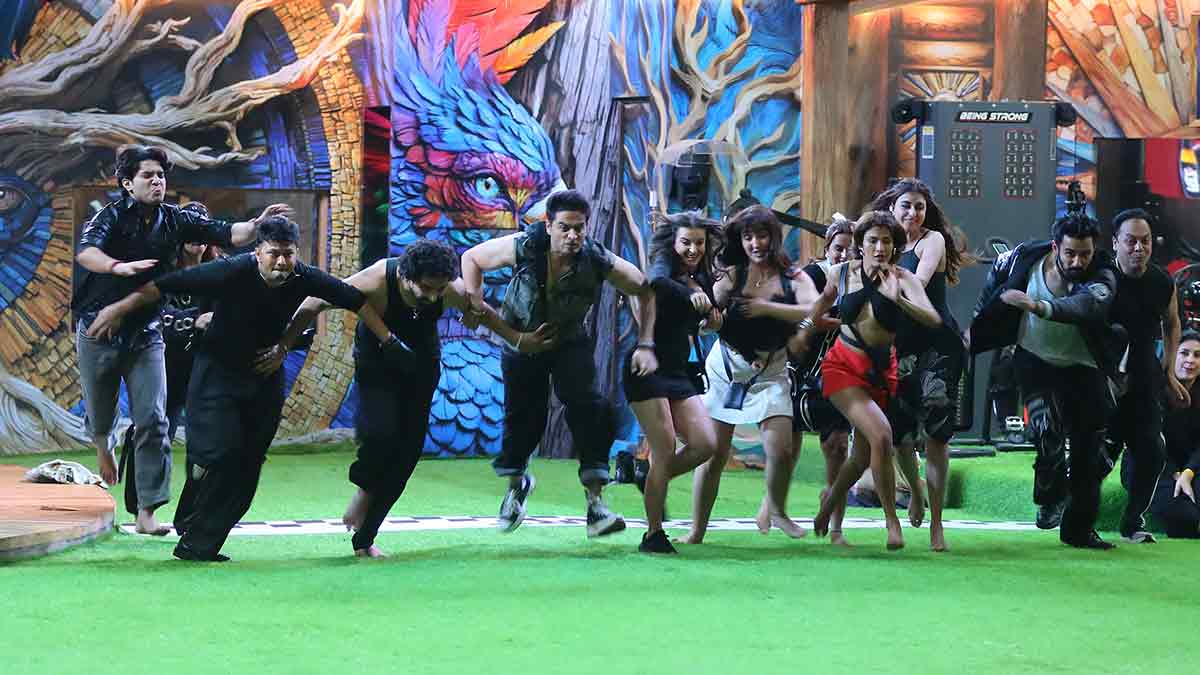
Bigg Boss—a flagship property of Banijay, a content production company—is a fine example. Adapted from the global Big Brother format, it is now entering its 20th year in India. “The secret sauce is the format itself and the insight with which it has been built in India,” Deepak Dhar, founder and group CEO of Banijay Asia, tells THE WEEK. “It is about bringing international learning but making it hyperlocal through teams working across Mumbai, Chennai, Hyderabad, Bengaluru and Kolkata. Bigg Boss, which now runs in six Indian languages, has gone from the linear television era to the streaming era and now the hybrid era, where people consume content on television and OTT simultaneously.”
The scale of the franchise, Dhar points out, is such that the various editions of Bigg Boss collectively generate content almost throughout the year. “We produce almost 800 days of Bigg Boss content in a calendar year,” he says. “It is quite unheard of, not just in India but internationally, [too].”
Reality shows, says Dhar, create a sense of community that few other formats can replicate. A finale of Bigg Boss or Indian Idol is not simply another episode, it becomes an event. One could very well liken Bigg Boss to a sporting league, says Dhar. “It is what we call the IPL of entertainment—people come back every night for their dose of Bigg Boss. The moment it gets over, there is a huge vacuum,” he says.
The numbers say it all. The latest season of Bigg Boss Hindi surpassed all previous viewership records, delivering a 30 per cent higher digital reach and a 65 per cent increase in watch time on Jio Hotstar. Regional editions have performed equally strongly.
The success extends beyond Bigg Boss. Shows like Fear Factor: Khatron Ke Khiladi, MasterChef India and Rise and Fall highlight the growing appetite for unscripted entertainment across television and streaming platforms. “Reality TV has always been about the most human of instincts, the need to know what’s happening in someone else’s life. Digital just gave that instinct a faster, louder, always-on home,” says Harikrishnan Pillai, CEO and cofounder, TheSmallBigIdea, a marketing agency that works in entertainment. “The real opportunity in the digital space is not just viewership, it is the conversation. And social reality, more than almost any other genre, is built to be talked about.”
If OTT has expanded the reach of reality television, social media has amplified it even further. People are constantly engaging with content online, reacting, liking, disliking and critiquing. “It doesn’t just end with watching MasterChef on TV. I have a compulsive habit of engaging with their Instagram handle, so much so that they now recognise me as a loyalist and we have formed a MasterChef fan community on Facebook, too,” says Kalpana Iyer, a die-hard fan of the show.
A JioStar spokesperson said, “The genre’s appeal today is increasingly national in nature, with reality formats attracting strong engagement across regions, including southern markets, demonstrating the power of relatable stories and authentic personalities to connect with audiences irrespective of language or geography.
"Reality television today is as much about participation as it is about viewing. Audiences don’t simply watch; they follow journeys, champion their favourites, react to key moments, and remain invested throughout the season."
Ironically, the very digital ecosystem that disrupted traditional television has become one of reality TV’s strongest support systems. Many viewers now encounter reality shows first through clips rather than television broadcasts. The resulting feedback loop is powerful. Social media drives curiosity, curiosity drives viewership and viewership generates more viral content. Unlike scripted shows, where spoilers can diminish interest, reality shows often benefit from online discussion.
The distinction between television and streaming is also becoming increasingly blurred. Several reality shows now operate simultaneously across television broadcasts, streaming platforms, social media channels and YouTube. Viewers may watch the main episode on television, consume additional content online, follow contestants on Instagram and participate in fan discussions throughout the week.
For advertisers, reality television offers something increasingly rare: scale. While streaming audiences are often fragmented across multiple platforms, reality shows continue to deliver large, diverse and geographically dispersed audiences. This makes them particularly attractive to brands seeking mass reach. The live or near-live nature of reality television also creates opportunities for sponsorship integrations, product placements and audience engagement campaigns.
A decade ago, reality TV relied heavily on celebrity judges and traditional talent competitions. Newer formats are increasingly built around entrepreneurship, social experiments, lifestyle aspirations and digital personalities. At the same time, creators are experimenting with shorter formats, interactive elements and digital-first storytelling.
But as Iyer, founder of Muzically, a Bollywood jukebox, says: “You need all kinds of content to engage audiences. Too much reality won’t work. Too much scripted content won’t work. Audiences want different ways of being entertained.”
According to content creators, the next phase of reality television may involve deeper audience participation, artificial intelligence-powered engagement tools and greater integration between creators and traditional broadcasters. The proliferation of influencer culture has also created a new kind of competition. As a result, producers face growing pressure to keep formats fresh.
But industry experts remain optimistic. In a world overflowing with content, reality television offers something many scripted shows struggle to provide—unpredictability. And that may explain why, even as entertainment habits continue to evolve, reality television remains one of the industry’s safest bets.
