


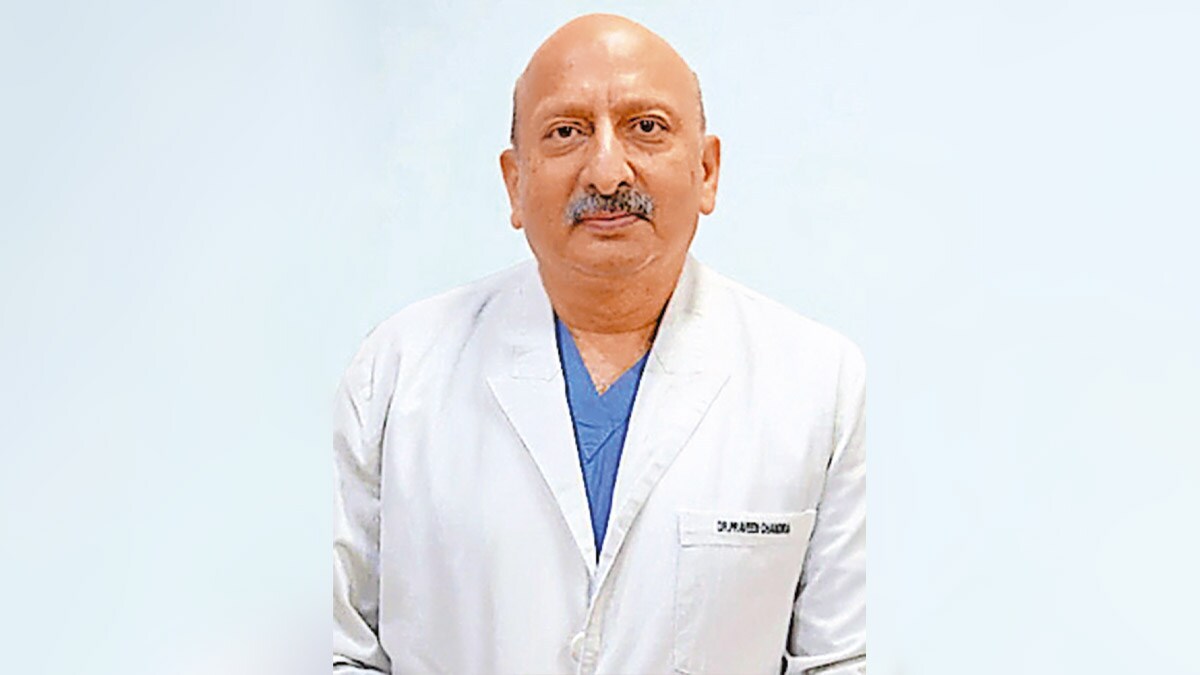
Interview/ Dr Praveen Chandra, chairman, interventional cardiology, Medanta Medicity, Gurugram
You have done a lot of tricuspid valve repair procedures. What does it entail?
These are minimally invasive therapies designed for patients with severe heart valve leakage. The treatment is performed through a catheter-based approach, without the need for open-heart surgery. The procedure typically takes about 45 minutes to an hour. We began using similar transcatheter repair technologies for other leaking heart valves several years ago. More recently, the availability of dedicated tricuspid valve repair systems such as Abbott’s has enabled us to extend this approach to patients with severe tricuspid regurgitation.
Will such procedures be followed in the next few decades, and how affordable are they?
I believe minimally invasive valve therapies will play an increasingly important role in the future of structural heart care. As technology continues to evolve and clinical evidence grows, these treatments are becoming an integral part of the treatment landscape for carefully selected patients. While the procedure remains expensive today, broader adoption and technological advancement are expected to improve accessibility over time. Most important, it offers a meaningful treatment option for patients who previously had limited alternatives.
Do we actually need a valves registry?
Registries are extremely valuable because they help us track patient outcomes in the real world over extended periods. They provide important insights into treatment effectiveness, safety, long-term durability and patient quality of life. As newer structural heart therapies, including transcatheter valve repair technologies, continue to gain adoption in India, registries will play a critical role in generating local clinical evidence and guiding future treatment decisions.
