


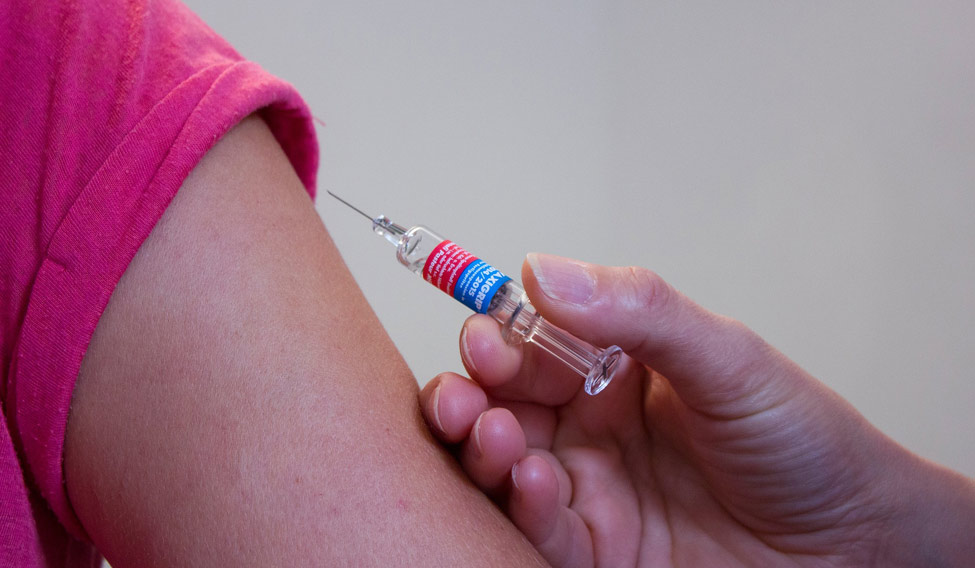
The mere sight of a needle is enough to spur anxiety, discomfort and even panic in most people due to fear of pain or needle-stick injury.
According to current studies, 69.2 million Indians are affected with diabetes, and insulin remains the mainstay of the treatment.
However, majority of people have a psychological resistance to adoption of insulin therapy in India. This is predominantly because of fear of needles and insulin being considered to be the last incursion for someone with diabetes.
Injection delivery needles are a vital part in healthcare industry―and in recent times, needle technology has become much better and safer for patients so that injection process does not instigate fear as it used to. Over a period, design of syringe has adopted many changes to ensure better drug delivery and safer and less painful experience for diabetes patients.
In 1924, the first ever syringe was specifically designed for insulin injections, with a needle length of 40 mm. This marked the beginning of insulin injection therapy to manage diabetes. In later years, changes were introduced to make it more effective and safer for people with diabetes.
Besides needle-stick injuries, there were also other concerns including pain, precision, comfort and sharpness. In an attempt to achieve a less painful and more accurate insulin delivery tool, more changes in thickness and length of needle were contemplated. The 12.7 mm ultra-fine pen needle was subsequently designed to support the emerging use of pen delivery for insulin injection, making insulin delivery more portable and discreet.
Syringes became slimmer, shorter over time to improve patient compliance since smaller needle diameters and lower insertion forces reduce the frequency of painful injections. Major companies started manufacturing fine needles to improve comfort. In 1999, BD launched the 5 mm Mini Pen Needle (3/16" x 31 G)―providing even greater comfort of therapy while eliminating the need for a patient to “pinch up” when delivering a subcutaneous injection.
Over past 30 years, designs of syringes have evolved (from a 16-mm (length), 27-gauge (thickness) needle in 1985, to a 4-mm, 32-gauge needle in 2010) in accordance to concerns of safety and convenience for people living with diabetes. Manufacturers have incorporated the changes in the design of syringes and needles to improve the whole injection experience since patients prefer a less painful, convenient, easy-to-use and affordable device. There are many strong evidences suggesting that shorter, slimmer needles improve safety and comfort and also ensure better insulin administration as compared with longer needles.
A recent study compared the efficacy of short needles (4mm or 5mm) vis-à-vis long needles, in delivering insulin, and analysed the difference and similarities of observations in both cases. The study also aimed to find any case of insulin leakage using different syringe techniques. The results showed better outcomes using slimmer and shorter syringes when injected straight into the skin at 90 degrees, without pinch. Also, it was found that shorter syringes caused less pain as compared to longer ones.
Another study proved that not only did patients feel lesser pain, but also had better experience in dealing with injection-site reactions (rashes may develop as a side effect of the drug administration).
One of the major concerns remains whether slimmer and shorter needles can penetrate well enough into the skin to deliver drug as skin thickness (which can differ from patient to patient based on their BMI) can be one of the factors in selecting the product. The study supported the use of 4 mm needles for nearly all patients regardless of their BMI. Results showed that the 90 degree insertion of ultrafine needles could prevent the risk of intramuscular administration and subsequent pain.
The new Forum for Injection Technique and Therapy Expert Recommendations (FITTER) published in the Mayo Clinic Proceedings (MCP) recommend using the shortest available needles as they are safe, more effective and less painful.
The 4mm pen needles and 6mm for syringe needle should be the first-line of choice in all patient categories. Experts believe that convenience of using shorter needles to administer drug with minimum fuss helps patients to better manage their condition.
In recent times, advancement in syringe and needle technology has greatly improved patients’ compliance to injectable drug therapy regime. Using latest technology in combination with proper education and support on disease management can have a major impact in easing lives of people.
Dr Sanjay Kalra, Leading Advisory, Forum for Injection Technique (FIT), India