



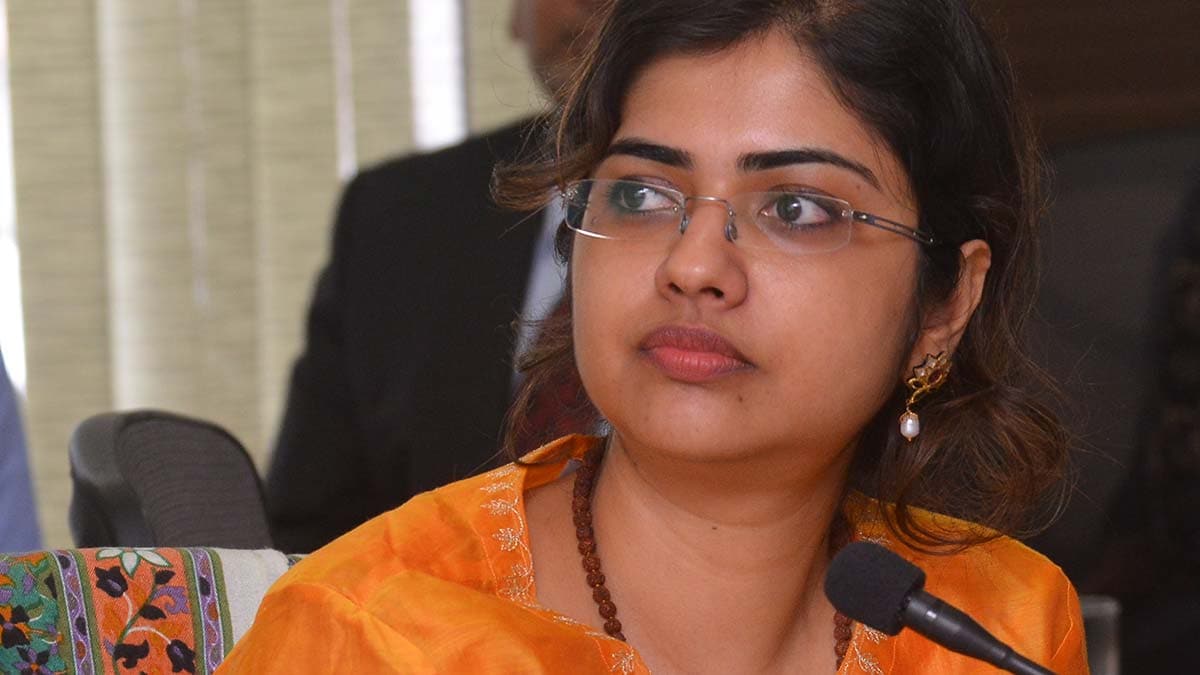
Interview/ Tamaswati Ghosh, CEO, IIT Madras Incubation Cell
Q/ The IIT Madras incubation ecosystem is in its 14th year. What explains its scale and staying power?
One of the biggest reasons for its success is that we brought different stakeholders together. Incubation is not about putting up a building, giving entrepreneurs some space and waiting for startups to happen. For a venture to become commercially viable and scalable, you need access to markets, capital, technology, mentors and infrastructure. Startups cannot operate in silos. IIT Madras provides the technology and research strength. But we have also been able to leverage Tamil Nadu’s industrial ecosystem.
Q/ About 65 per cent of your startups are from outside IIT Madras.
We are very proud of that figure. It has been consistently the case for six to eight years. The ecosystem benefits enormously from diversity. IIT Madras alumni and faculty bring tremendous technological expertise. But founders from other institutions, and people with industry experience, bring different strengths. A technically brilliant founder may not necessarily understand sales, customer acquisition or commercialisation. Similarly, a professor may have exceptional technology but would need somebody from the industry to help take it to market. The combination makes the company stronger.
Q/ You also have startups from very different sectors. Why not specialise in a few areas?
We deliberately kept the domains broad. A manufacturing startup can learn from an AI startup. Companies can collaborate, exchange contacts and solve problems together. That peer-to-peer network is extremely valuable. It is similar to the IIT Madras research ecosystem, where people from different disciplines collaborate. We have tried to create that diversity in the startup ecosystem as well.
