



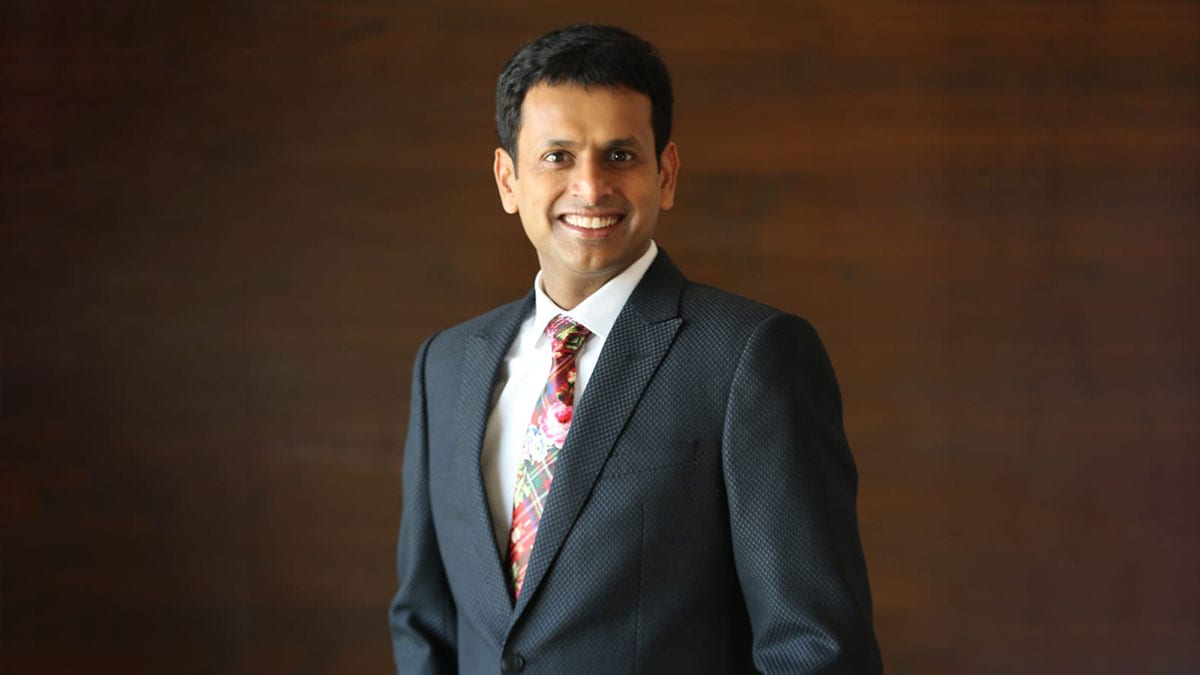
THE MUMBAI-BASED AVAADA is one of the biggest players in the green energy ecosystem in India, with its focus on solar module manufacturing and achieving renewable energy capacity of 30GW by 2030. It is backed by Asian Development Bank, Brookfield and Thailand’s PTT. Avaada’s promoter Vineet Mittal spoke to THE WEEK about India’s green future and the company’s place in it.
Excerpts:
Q. How much does the solar-energy growth actually amount to, given coal dependency and global uncertainties?
Solar is changing how India powers its growth. Its importance should be measured by the affordable electricity it delivers, the fuel exposure it reduces and the energy security it creates.
Coal continues to play an important role, and we must manage the transition responsibly. But India’s electricity needs are growing. We have an opportunity to meet more of that growth through domestic sunshine, water and wind, supported by storage and a strong grid.
Global uncertainty strengthens this argument. A country should have greater control over the energy that powers its factories, farms and homes. Renewable energy, combined with domestic manufacturing, helps build that control.
Our next responsibility is to make clean power available when consumers need it. That requires solar, wind, batteries, pumped storage and transmission to be planned together.
Q. Detractors say the green push is unsustainable—coal-charged EVs, storage and transmission gaps, import dependence and the environmental footprint of solar.
Every energy system has costs and constraints. Our responsibility is to address them through better technology, investment and execution.
For electric vehicles, the assessment must include vehicle and battery manufacturing, the electricity used and the vehicle’s performance. As electricity becomes cleaner, the same electric vehicle can operate with lower emissions. Smart charging can also move demand towards hours when solar power is available.
Storage and transmission need to develop alongside renewable generation. A project is useful only when its electricity can reach a customer at the required time. Better forecasting, flexible demand and stronger grid operation are equally important.
On manufacturing, India must deepen its capabilities across ingots, wafers, cells, modules and essential materials. That requires sustained investment in technology, skills and quality.
Q. What challenges does India’s green push face, and how can they be addressed?
India’s challenge is to make every part of the electricity system move together. Generation, transmission, storage and distribution need coordinated execution.
I would focus on five priorities. First, align transmission with generation. Auction schedules, connectivity and transmission completion dates should form one executable plan, with clear accountability for delays.
Second, plan storage around demand. Procurement should specify when electricity is needed and the reliability required. That allows developers to choose an appropriate combination of solar, wind and storage.
Third, make approvals predictable. Land, connectivity and project clearances need transparent processes, clear responsibilities and time-bound decisions.
Fourth, improve access to long-term capital. These assets require substantial investment upfront. Financing structures should reflect their operating lives and the strength of their contracted revenues.
Fifth, strengthen Discoms. Accurate metering, billing, collections, loss reduction and better power procurement must advance together. Agricultural feeder solarisation and tariffs that encourage consumption during solar hours can support this effort.
Technology can help us forecast generation, schedule storage and identify problems earlier. Its value depends on whether teams use that information to act.
