



In 2003, a byelection in the Ernakulam Lok Sabha constituency following the death of sitting MP George Eden saw a quiet technological experiment that changed how poll results reached the public.
For the first time in India, live leads from a counting hall were transmitted over the internet to a data and media centre at the collectorate, using wireless phones provided by a private company. Journalists gathered at the centre could see the results of each counting round on their screens within seconds.
At the centre of the experiment was then Ernakulam district collector and returning officer Gyanesh Kumar. More than two decades later, Kumar is chief election commissioner of India and faces allegations of opacity and over-centralisation in the special intensive revision (SIR) of electoral rolls.
A 1988-batch Kerala cadre officer, Kumar began his civil service career as an assistant collector. His Kerala tenure was marked by both achievements and controversies. As collector, he oversaw the completion of the Goshree bridges connecting mainland Kochi to the islands north of the backwaters. He also dealt with several crises, including a major church dispute and opposition to the Thoppumpady bridge, Kerala’s first build-operate-transfer (BOT) project. The privately operated, tolled bridge was then a new and contentious concept in the state.
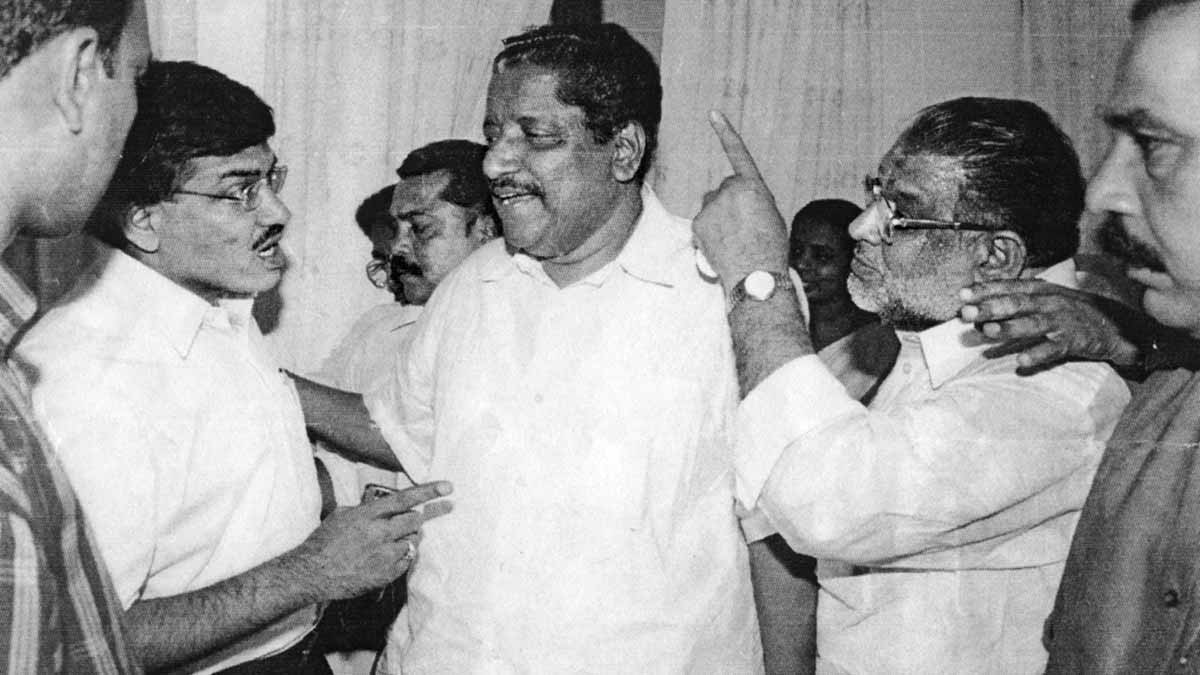
In March 2004, a meeting convened by minister T.M. Jacob to discuss the drought situation ended in altercation between Kumar and then legislator T.H. Musthafa, who alleged that Kumar was protecting the “sand mafia” with his inaction over illegal sand mining. He later served a privilege notice against the collector, alleging improper conduct and violation of protocol.
A more serious controversy erupted in 2006, when Kumar was secretary of the public works department (PWD). Malaysian national Lee See Been, chief project manager at Pati-Bel, a joint venture between Malaysian company PATI and Kerala-based Bhageeratha Engineering, killed himself. The company was executing a major part of the phase I of the World Bank-assisted Kerala State Transport Project.

The episode has resurfaced after CPI(M) leader Thomas Isaac, then Kerala’s finance minister, criticised Kumar amid opposition demands for his resignation as chief election commissioner. Isaac recalled that the contract was worth Rs216 crore. Land-acquisition delays had slowed the project. “Only Rs70 crore had been cleared, while another Rs13 crore in bills remained pending,” he said.
The PWD blamed Pati-Bel for the delays; the company argued that it was being held up by the failure to hand over the required land. The PWD, even though it claimed that work had not been carried out even on portions of land that had been handed over, did not issue a single notice imposing liquidated damages as permitted under the contract.
“Pati-Bel, meanwhile, had meticulously issued notices to the PWD over each of the alleged lapses,” Isaac said. He said it left the government vulnerable in any arbitration. He also alleged that the delays in payments and other difficulties had left Lee deeply distressed and contributed to his suicide. Speaking to THE WEEK, Isaac said the Rs13 crore in pending bills alone could not explain the death. He alleged that some bills may not have been submitted because contractors were being asked for money to process them, and that officials may have held up payments to demand bribes.
Malayala Manorama reporter G. Vinod, who visited Lee’s family in Subang Jaya, Malaysia, after his death, reported that Lee’s last meeting in Kerala was on November 10, 2006, a day before his death. He had met PWD minister T.U. Kuruvilla and three senior PWD officials. According to Vinod’s report, Lee told his wife after returning home: “I am not going back to that hell. I have had enough. If I continue working with them, I would go crazy.”
Lee also left a note for his company chief and a separate two-page note for his wife and children. The latter, read by his family but retained by the Subang Jaya police, reportedly contained allegations against Kerala PWD officials.
Vinod further reported that Lee, despite earning about 20,000 ringgit a month—around Rs2.5 lakh at the time—had very little money in his bank account when he died. This raised questions about whether he had been meeting project-related expenses in Kerala from his own funds.
Less than two weeks after Lee’s death, the CPI(M)-led Left Democratic Front government removed Kumar as PWD secretary. A vigilance inquiry followed allegations of bribery in the project. Isaac said the investigation made little progress because the company was reluctant to pursue the matter. “They might have feared that a formal case could damage the company’s reputation,” Isaac said.
An obituary issued by Pati-Bel said he had died following a “massive cardiac arrest”. The Kerala government is now considering retrieving the old files for review.
In April 2007, less than six months after Lee’s death and the subsequent vigilance inquiry, Kumar returned to the state administration in April 2007 as civil supplies secretary. By December, he had moved to Delhi on deputation as joint secretary in the defence ministry. He later served briefly as resident commissioner of Kerala House in Delhi, during Oommen Chandy’s tenure as chief minister, before becoming joint secretary in the Union home ministry.
