


 Add as a preferred source on Google

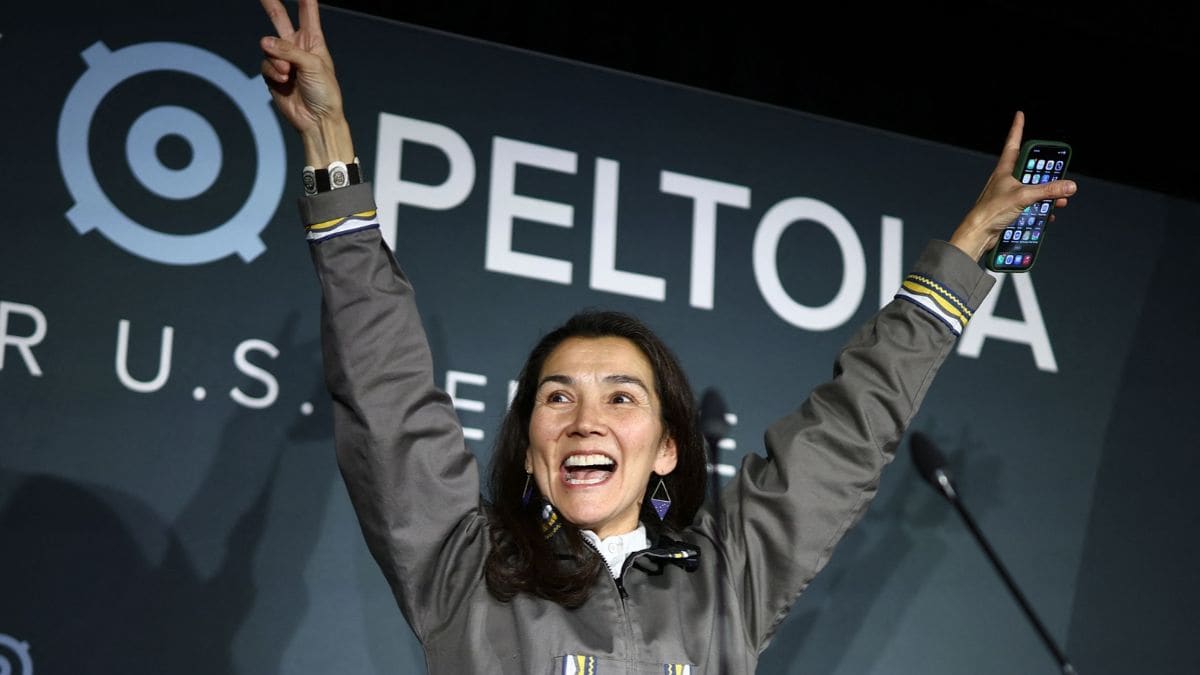
Democrat Mary Peltola has beaten Republican incumbent Dan Sullivan in the last undecided Senate race of the 2026 midterms, and Democrats now hold a 56–44 majority after flipping nine Republican seats. Alaska was the least likely of them. Donald Trump carried the state by 13 points in 2024, and it had not sent a Democrat to the Senate since Mark Begich in 2008. Peltola, who is of Yup'ik descent, will be the first Alaska Native in the Senate. Minnesota's Peggy Flanagan is the other Indigenous woman elected this cycle.
The win came after a defeat. Peltola lost Alaska's only House seat in 2024, and she came back by keeping the national party at arm's length. She ran as an Alaskan with Alaskan worries, and the biggest of them was cost. The state is remote, so living there is expensive. Villages burn fuel for power, heat, and transport, while food arrives by plane or barge. When prices rise, the choice between heating a home and filling a pantry is real. Peltola kept returning to it, especially in rural communities.
She tied the argument to the fisheries. As stocks thin, families lose food they once caught themselves and must buy a costly substitute from a shop. The aim was to turn the election into a verdict on household budgets rather than a contest of national slogans.
Her slogan, "Fish, Family and Freedom", said as much. She backed oil and gas development, spoke up for gun rights and border security, and promised to work with the Trump administration whenever Alaska stood to gain. Sullivan tried to cast her as a proxy for liberals from outside the state who oppose drilling. She answered with long trips across Alaska and a good deal of time in small communities, which served as proof of independence. Heavy outside spending and a bitter final stretch did not change the local flavor of her pitch.
Then came the scandal. The New York Times reported that people linked to her campaign had helped recruit a retired teacher, Dan J. Sullivan, to run. Listed on the ballot as Daniel J. Sullivan Jr., he shared a name with the incumbent, Dan S. Sullivan. Republicans said the aim was to confuse voters and split the senator's support. Peltola denied any role, and so did the second Sullivan.
Republicans found it an opportunity to hit back. Trump demanded criminal action. The Justice Department sued to block certification if the incumbent lost, though a federal judge dismissed the case and the department has appealed. A criminal investigation followed. None of it amounts to a finding of wrongdoing by Peltola.
Ranked-choice voting settled the matter. In Alaska, voters rank candidates, and if nobody clears 50 per cent of first preferences, the last-placed candidate drops out, and those ballots pass to their next choice. The process repeats until someone has a majority.
Peltola led on first preferences with 48.29 per cent to Sullivan's 47.64. Once the two last-placed candidates were eliminated, she finished on 50.15 per cent to his 49.85. Early speculation held that the namesake candidate might decide the race. The count suggests otherwise, although the episode leaves a fair question about how easily a similar name can muddy a ballot.
The consequences reach well beyond Alaska. Democrats also took Texas, South Carolina, Kansas, and Mississippi, giving them their strongest Senate position in 16 years. That means more leverage in negotiations and more room to scrutinise the administration. Although it is still short of the 60 votes needed to beat a filibuster, it eases the passage of legislation and, should the party win the White House in 2028, the confirmation of nominees. A larger majority also leaves space for senators with very different regional priorities.
The lesson for Democrats is an old one. Local identity and economic anxiety can outweigh the national script, and Peltola did not win by echoing it. Alaska has not turned blue for good, but this race showed that it can be won.
