



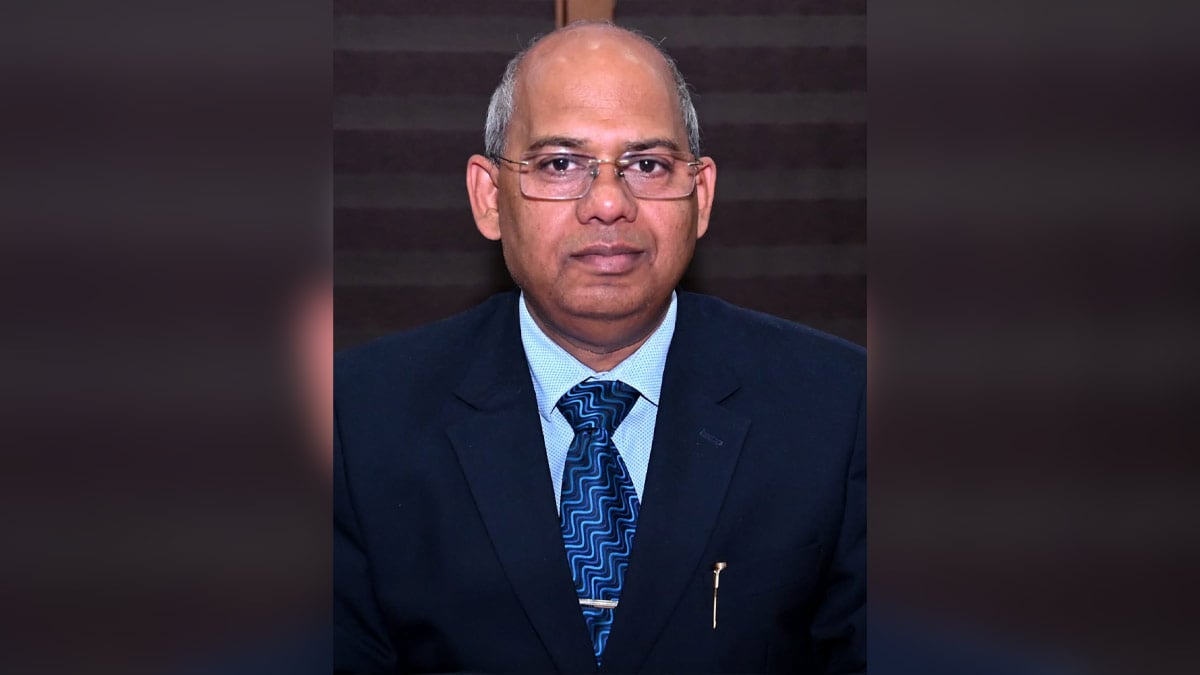
Interview/ Professor Onkar Singh, former governing board member, IIT Kanpur and IIT (BHU) Varanasi
A professor of mechanical engineering, Onkar Singh is former vice-chancellor of the Veer Madho Singh Bhandari Uttarakhand Technical University, Dehradun, and Madan Mohan Malaviya University of Technology, Gorakhpur. He has authored many books in the field of technical education, the latest being Engineering India’s Education. Edited excerpts from an interview:
What has your experience of building technical universities taught you?
Technical education has undergone rapid expansion in the last three decades. With massification of technical education, there is perpetual concern about quality. Higher education institutions (HEIs) are not laying reasonable focus on continuous learning, laboratory exercises, industrial training and projects. The deficiency in basic technical competencies of graduating professionals is visible, escalated by skewed demand in the IT sector. Merely stressing on industry internships is not adequate to impart comprehensive competencies.
HEIs must prioritise teaching-learning-examination-evaluation system. Benchmarks for student assessment should not be lowered. Teacher-student ratio needs to be 1:10. HEIs must also look into industry aspirations and tweak programmes so that graduating students are job-ready. The cornerstone for excellence must be continued pedagogical innovations with accountability and transparency.
How is India managing the relationship between the scale of engineering output and the quality of its graduates?
Poor employability of graduates calls for radical interventions. More focus on skill enhancement, internships and on-job training can help. Provisions for students to leave programmes to pursue internships are benefitting fast learners and those who can secure internships leading to employment. Massive admission intake must be reworked for coherence with actual requirements. With the demographic dividend available, it is a good time for India to become a technical human resource provider for the world.
How are engineering colleges approaching the integration of AI and emerging technologies into curricula?
Technical universities have introduced relevant subjects from AI and emerging technologies, making basic subjects from artificial intelligence, cyber security and allied areas compulsory. Teachers are being put through short-duration faculty development programmes in emerging areas. Integration of existing programmes with minor degrees in AI and emerging domains is a prominent intervention for producing trained human resources suited to contemporary requirements.
How would you structure the ideal undergraduate engineering programme for today’s India?
The ideal structure must include all relevant subjects from the core domain along with non-core subjects needed to build capabilities in that domain. Every theory subject must be designed to include laboratory work, field visits and experiential learning.
More weightage must be laid on continuous learning assessment. The present contribution of summative and formative assessment in overall evaluation needs to be reworked to make learners serious about their degree programme.
There should be no credit restrictions, as these limit the subjects HEIs can offer and diminish the competencies of degree holders. Universities must practise academic autonomy in designing worthy programmes, preparing students to survive and thrive professionally for four to five decades. AICTE should continue prescribing minimum standards while encouraging universities to create their own USPs. There is no need to universalise the syllabus, as it does not allow universities to try their own approaches for better outcomes.
