



Air India's recent past under the Tatas has been replete with incidents ranging from the wrong aircraft type sent on international routes to mistakenly flying into enemy airspace, from disorderly behaviour by passengers like urinating in business class, to cockroaches (real ones) found in in-flight meals. Yet, flying without a pilot would be a new low even by its abysmal track record.
Figuratively speaking, of course. The airline, undergoing a five-year supposed transformation period known as vihaan.ai (a Sanskrit word which symbolically stands for a new beginning), has been facing turbulence one after the other, the latest being the curious case of a missing leader.
Campbell Wilson, ex-CEO of Singapore Airlines’ budget airline Scoot, was the man the Tatas flamboyantly announced in May 2022 as the chosen one to steer this ‘vihaan’. This summer, the New Zealander gave up on the white elephant.
He couldn’t have chosen a worse time. Even as complaints of bad service, discrepancies and operational lapses mounted, the airline has been buffeted by headwinds. This ranged from the closure of Pakistan airspace to Indian planes, forcing AI’s international flights to Europe and North America to take longer routes (additional expense incurred: an estimated ₹5,000 crore), to the price hike in aviation fuel thanks to the US-Iran war – the airline’s losses last year were a foundation-shaking ₹22,000 crore.
Not to forget, of course, the deadly catastrophe that was the Dreamliner crash in Ahmedabad in June last year, leading to 260 deaths.
The Gurugram-headquartered airline’s trail of misfortune doesn’t end there. It is exactly at this point that trouble over its status and regulator-induced pressure to go public hit its parent company. The churn there ensured that the top honchos there took a good, hard and realistic look at all group businesses: along with some of its digital businesses, Air India stood out as a money guzzler.
Noel Tata and the board were clear: we cannot keep on funding the airline. Two decisions from Bombay House rocked the legacy airline – no more endless funding from the parent group was the first. So much so, the airline is now knocking on the doors of Singapore Airlines, which owns a 25.1 per cent stake in Air India, to cough up the desperately needed funds.
The second, a thumbs down to the N. Chandrasekharan-approved candidate to succeed Wilson – Air India’s ‘inside man’, chief commercial officer Nipun Aggarwal. Aggarwal, a Tata man, was part of the brokering team that worked out the airline’s transfer from the government to the Tatas, and was also the pointsperson for the whole transformation process.
While Chandra’s reasoning was Nipun’s involvement in the airline since Tatas took over and how he could be an internal man capable of steering the airline’s aggressive expansion and transformation, internal detractors pointed out how his expertise was in investment and finance and not really in running a complex airline of this scale.
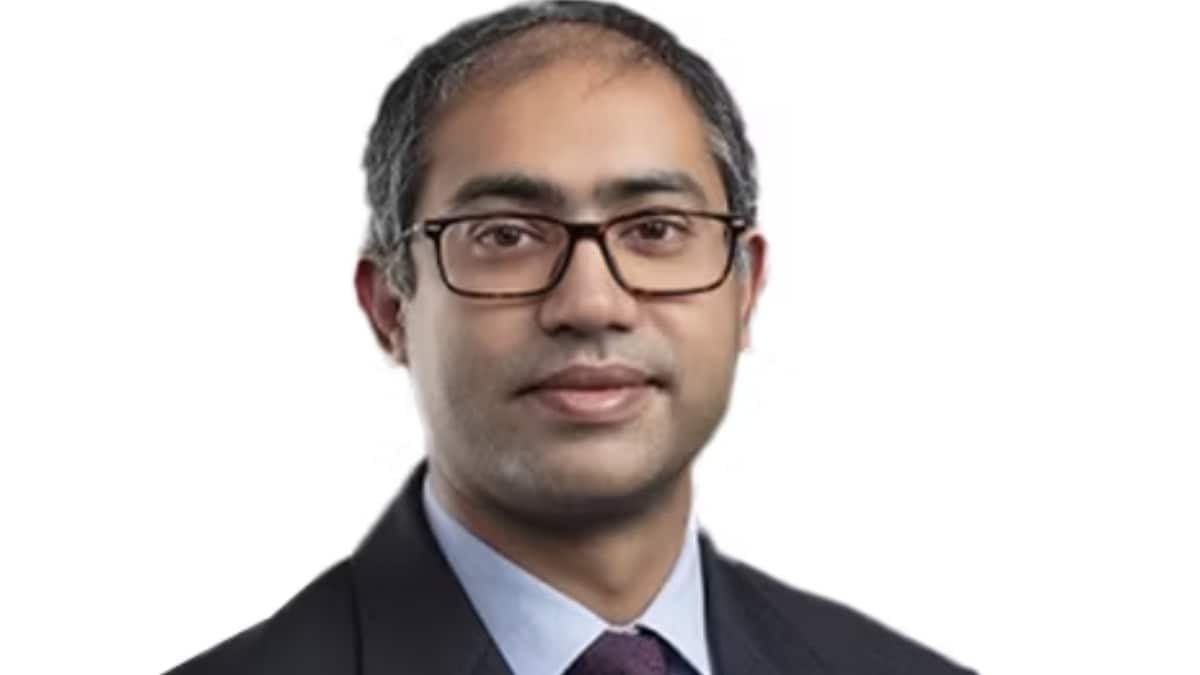
The CEO hunt is now steering towards Vinod Kannan, the man responsible for turning Vistara (a Tata-Singapore Airlines JV before Air India brought it back to the Tatas) into one of the biggest success stories in Indian aviation. Originally from Singapore Airlines, Kannan was not too ceremoniously sent back to his parent airline as senior vice president, even if he was appointed integration officer at Air India after Vistara merged into it.
Kannan has the right credentials in running a world-class airline – he’s proved that much during his time at Vistara. But will he be able to clean up the Aegean stables at the marquee national carrier? And why is a final decision taking so much time, even while a core committee, including former Air India CEO (during its sarkari days) Pradeep Kharola presently running the embattled airline?
Kannan declined to respond to THE WEEK’s queries.
