



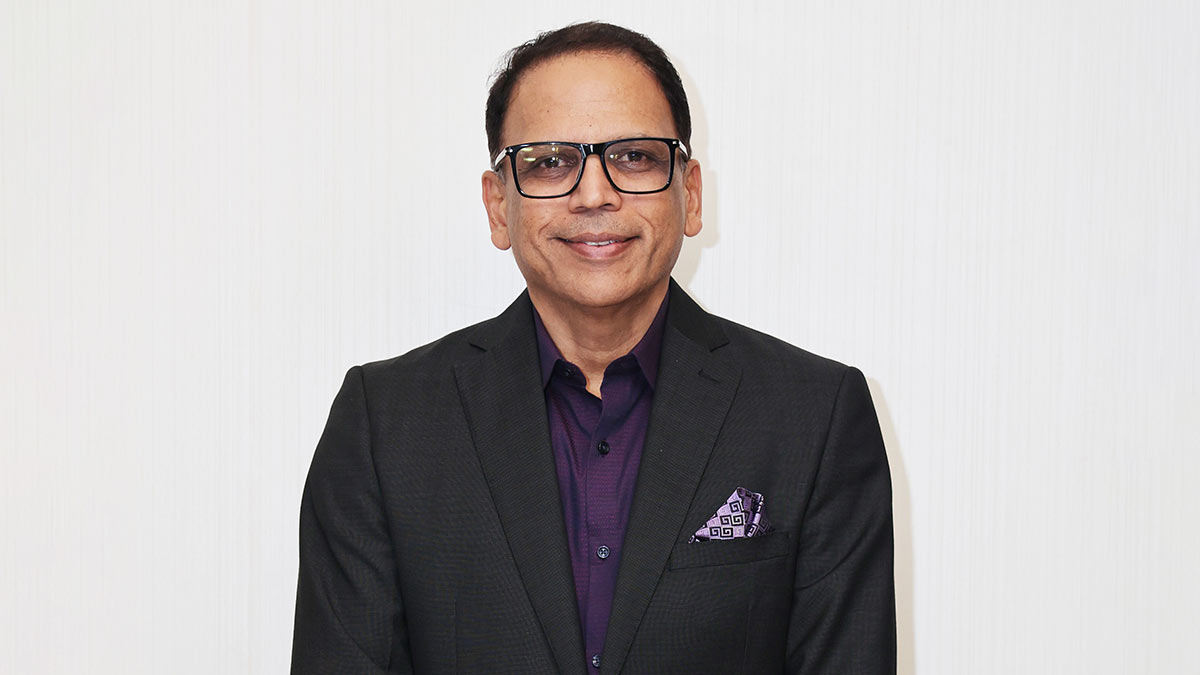
Interview/ Sunil Chemmankotil, country manager, Adecco India
A Fortune Global 500 company headquartered in Zurich, Adecco is one of the world’s major HR solutions, talent advisory and temporary staffing firms, operating in more than 60 countries. Sunil Chemmankotil brings close to three decades of experience across the staffing and recruitment ecosystem. A former executive board member of the Indian Staffing Federation, he speaks to THE WEEK about how fresh graduates can do well in interviews and what recruiters are really looking for. Excerpts:
How can you differentiate between a candidate who comes from an institution that taught him to think and one from an institute that taught him to reproduce?
The difference becomes clear quickly. Candidates trained to think ask better questions, apply concepts to unfamiliar situations and are comfortable with ambiguity. Those who rely on rote learning give textbook answers but struggle when context changes. Today, how you think matters far more than what you know.
What skill or disposition do you most value in a fresh graduate, and do you think colleges can teach it?
The most critical trait is learning agility—the ability to continuously learn, unlearn and adapt. Colleges can foster this by encouraging curiosity, problem-solving and real-world exposure, but it is also a mindset that students must actively build.
Has anything changed in the last five years in what graduates from Indian colleges can actually do?
Access to information has improved significantly. Knowledge is now available instantly. But the real gap continues to be in depth of understanding and problem-solving ability. In an AI-driven world, what truly matters is the ability to ask the right questions and go beyond surface-level knowledge. Graduates who succeed are those who don’t just consume information but actively engage with it, challenge it and keep learning.
How has the profile of the ideal entry-level candidate changed over the last decade?
A decade ago, we prioritised academic performance and technical knowledge. Today, the expectation has fundamentally shifted. We hire for adaptability, curiosity and the ability to work across disciplines, with a much stronger focus on cognitive skills, critical thinking and navigating ambiguity. The shift is from skill-led hiring to capability and potential-led hiring.
How are you adapting recruitment criteria as AI changes what graduates are expected to know and do?
We are placing greater emphasis on problem-solving, critical thinking and human skills like communication and judgment. It’s no longer about what candidates know, but how effectively they can apply that knowledge using the tools available to them, including AI.

What is the one thing colleges could do differently that would make your job as a recruiter significantly easier?
Place a much stronger emphasis on critical thinking and problem-solving. Industry needs graduates who can think independently, think quickly and navigate ambiguity. Understanding concepts is no longer enough—they must be able to apply them in dynamic, real-world situations. A shift from theoretical to application-led, inquiry-driven education would significantly reduce the gap between education and industry expectations.
What does a graduate who stands out in the first year of work have that others don’t?
They bring curiosity, ownership and strong cognitive skills. They don’t just execute tasks—they ask questions, seek to understand the why and think through problems independently. They adapt quickly, pick up new skills and aren’t afraid to step outside their comfort zone. Most important, they take ownership early, seek feedback and continuously improve.
If you could send one message to educators about what industry actually needs, what would it be?
Shift the focus from degrees to employability. In a rapidly evolving world, teaching students how to learn is far more important than what they learn. Employability—not employment—is the true currency, and it is built on skills, adaptability and a lifelong learning mindset.
